Introduction
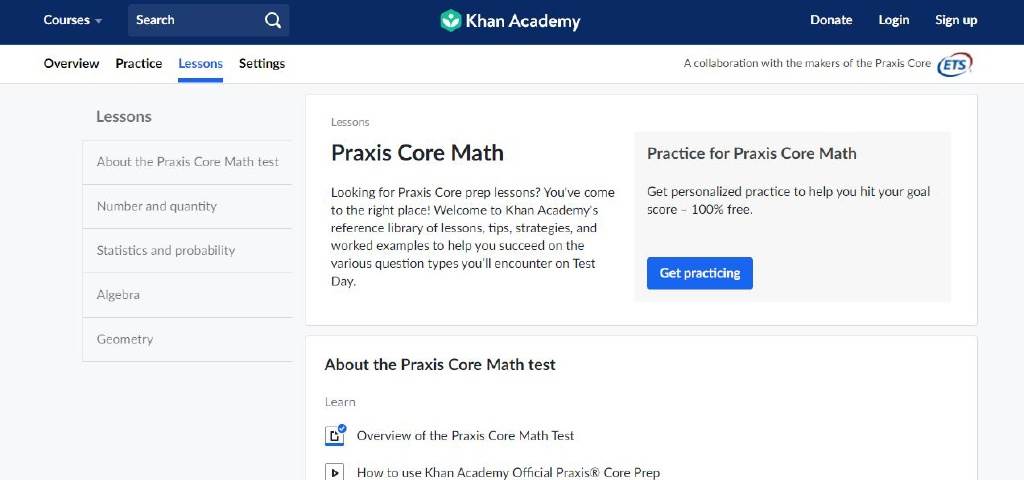
Bridging the gap between conceptual mastery and standardized teacher certification exams requires a disciplined approach to study habits and resource integration. According to the Educational Testing Service (ETS), structured preparation routines significantly improve passing rates on rigorous professional exams like the Praxis series. By merging the foundational pedagogical explanations found on digital learning platforms with targeted offline study tools, candidates can streamline their preparation. Praxis Khan Academy refers to the strategic utilization of open-access educational tutorials to supplement formal teacher certification study plans, ensuring a robust review of fundamental content areas ranging from mathematics to instructional methodology.
Quick Key Takeaways:
- Core Focus: Praxis khan academy bridges digital concept reviews with structured offline study plans for certification candidates.
- Target User: Aspiring educators, career-changers, and teacher preparation programs.
- Key Recommendation: Pair video-based concept modules with targeted Academic study logs to track mastery.
What This Printable Covers
This specialized resource framework translates high-level digital video curricula into actionable, tactile study schedules and progress trackers. Designed to organize complex certification requirements, the material breaks down exhaustive testing domains into manageable daily modules. Users navigate through structured content acquisition, diagnostic review phases, and timed practice metrics that mirror actual testing conditions. By incorporating structured Worksheet layouts, learners maintain accountability across vast content domains without feeling overwhelmed by dense subject matter.
Key Learning Outcomes
Participants systematically strengthen pedagogical content knowledge by auditing individual strengths and systemic weaknesses across core subject domains. The structured tracking methods foster disciplined time management, ensuring comprehensive coverage of educational theories, instructional design principles, and academic content standards. Furthermore, engaging with these materials cultivates metacognitive awareness, allowing prospective educators to evaluate their own test-taking strategies and adapt their preparation timelines effectively before official exam dates.
Overview & Skill Breakdown
| Focus Area | Target Skill | Best Practice |
|---|---|---|
| Content Audit | Identifying knowledge gaps across core testing domains | Complete diagnostic baseline quizzes before scheduling study units. |
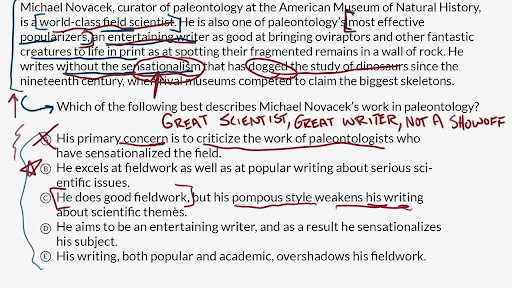
| Concept Mapping | Translating video lectures into concise study notes | Summarize digital tutorials using structured graphic organizers. |
| Paced Review | Simulating exam-day time constraints and pressure | Implement regular timed drills to build stamina and speed. |
How to Use This Worksheet
Successful implementation begins with a thorough audit of official test specifications alongside available digital review modules. Learners assign specific video modules to daily calendar blocks, immediately following each digital session with corresponding offline exercises to solidify retention. Utilizing Administrative tracking grids helps maintain a clear overview of completed topics, pending reviews, and mock exam scores over a multi-week preparation cycle.
Practical Tips for Success
Preparation involves setting up a dedicated, distraction-free study environment stocked with necessary writing utensils and digital access points. During execution, learners should actively pause video content to write out explanations in their own words rather than passively watching tutorials. For extension, candidates can cross-reference their summarized notes with state-specific curriculum standards found in Personal Growth frameworks to ensure complete alignment with professional expectations.
Stage-Appropriate Recommendations
Beginner candidates benefit from focusing heavily on foundational content acquisition, utilizing foundational video modules to rebuild core subject competence. Advanced candidates should bypass basic overviews, diving directly into high-stakes practice questions and targeted remediation loops. According to Council for the Accreditation of Educator Preparation (CAEP) standards, systematic progress monitoring and data-driven remediation are essential markers of effective professional readiness.
Systematic progress monitoring and data-driven remediation are essential markers of effective professional readiness. — Council for the Accreditation of Educator Preparation (CAEP)
Frequently Asked Questions
Explore More Free Printable Resources
Enhance your educational journey and professional development by exploring our complete collection of organizational tools, study schedules, and practice trackers. Visit Free Printable For You to discover hundreds of high-quality resources designed to support lifelong learning and career advancement.
Images References