Introduction
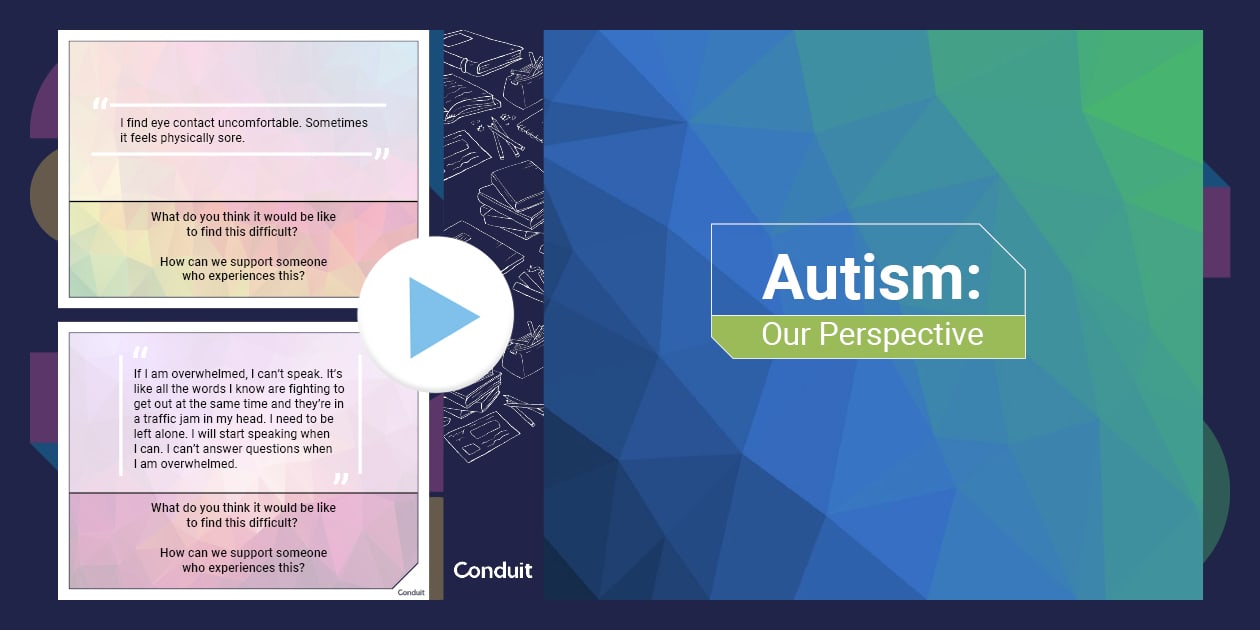
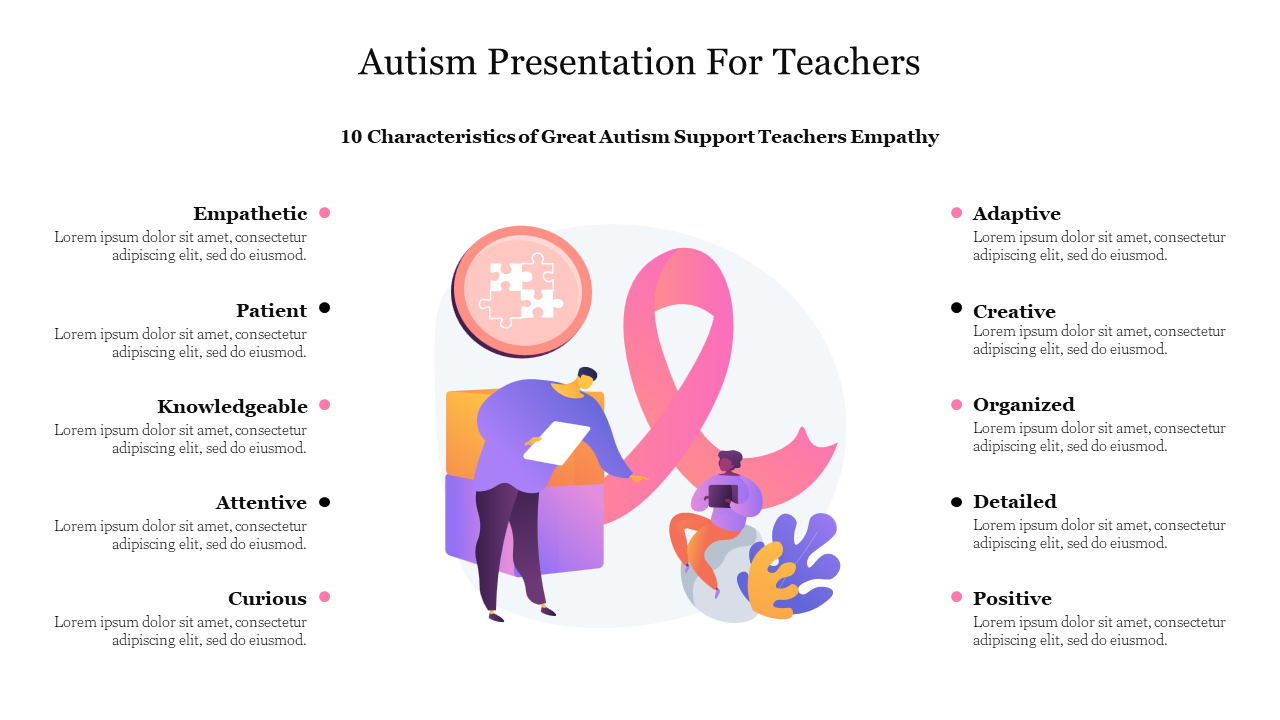
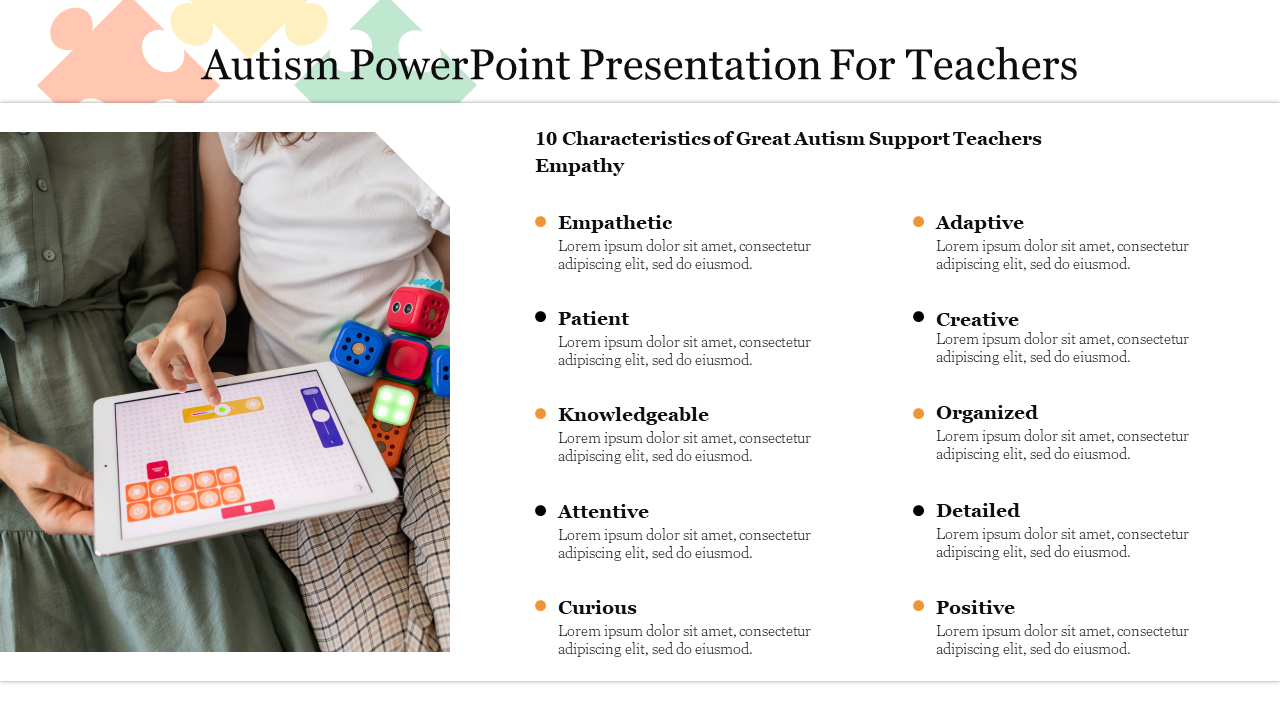
An autism powerpoint presentation for teachers serves as an essential instructional and professional development tool designed to bridge the gap between neurodiversity research and daily classroom practice. Structured visual communication helps demystify autism spectrum conditions for educators, administrators, and support staff alike. According to the Journal of Autism and Developmental Disorders, structured visual training significantly enhances educator self-efficacy and improves student engagement outcomes in inclusive learning environments. Utilizing a dedicated autism powerpoint presentation for teachers enables schools to establish consistent, evidence-based methodologies that foster supportive, predictable classrooms for neurodivergent learners.
Quick Key Takeaways:
- Core Focus: A comprehensive slide deck framework designed to educate teachers on effective autism accommodation strategies.
- Target User: Educators, school administrators, and support teams operating in inclusive general and special education settings.
- Key Recommendation: Pair the slide deck with practical Academic tracking tools for seamless classroom integration.
What This Printable Covers
This resource delivers modular slide content addressing sensory processing differences, executive functioning challenges, and positive behavior intervention supports. By synthesizing clinical insights into actionable professional development steps, the presentation equips teaching staff with the vocabulary and operational strategies necessary to accommodate diverse learning profiles. Content delivery focuses on actionable modifications rather than abstract theory, ensuring participants leave with concrete ideas for curricular adaptation. Furthermore, the material aligns closely with Early Learning principles to help foundation-stage educators identify early indicators and implement proactive interventions.
Key Learning Outcomes
Participants explore foundational neurodiversity paradigms, shifting perspectives from deficit-based models to strength-based frameworks. Educators learn to identify subtle signs of sensory overload in real time and apply environmental modifications to reduce anxiety. The curriculum outlines methods for designing predictable visual schedules and clear transitional cues that minimize behavioral escalation. Finally, attendees discover collaborative strategies for partnering with multidisciplinary specialists and families to maintain consistency across home and school environments, supporting broader Personal Growth objectives for students.
Overview & Skill Breakdown
| Focus Area | Target Skill | Best Practice |
|---|---|---|
| Sensory Regulation | Identifying environmental triggers | Conduct sensory audits to minimize classroom noise and harsh lighting. |
| Executive Functioning | Structuring multi-step tasks | Utilize visual checklists and color-coded workflow organizers. |
| Social Communication | Facilitating peer interactions | Implement structured social narratives and predictable group roles. |
How to Use This Worksheet
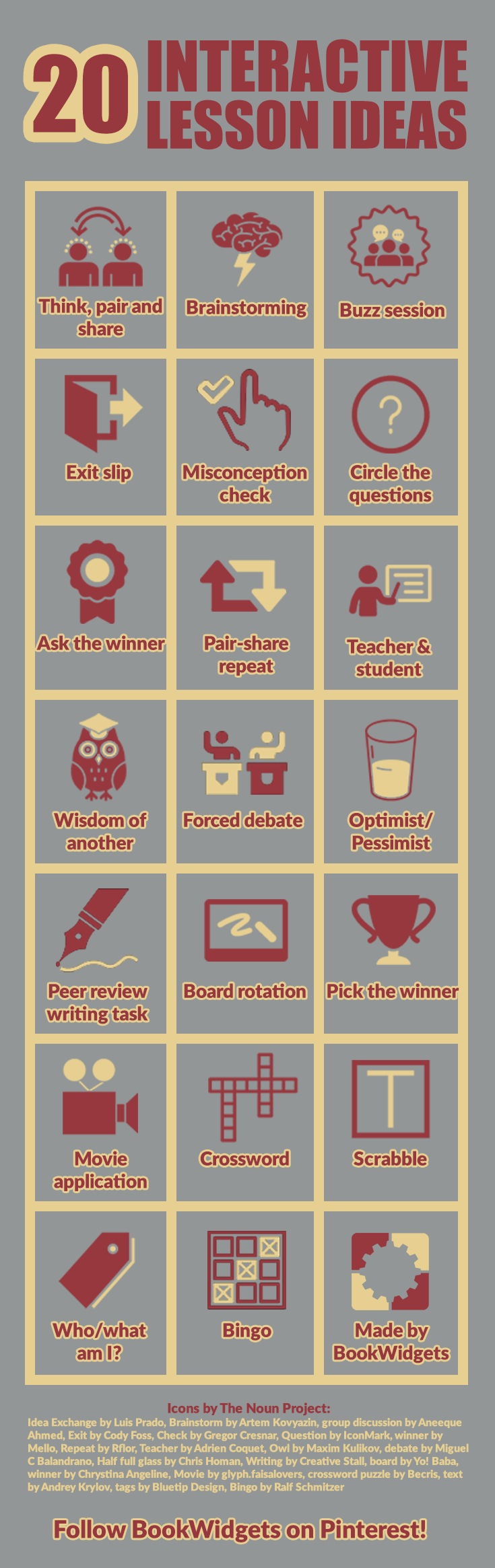
Presenters can deploy the slide deck during staff meetings, professional development days, or departmental planning sessions to foster whole-school alignment. Facilitators should review the modular slides in advance, selecting specific sections that match the immediate professional needs of the teaching cohort. Integrating interactive breakout discussions following key modules encourages educators to brainstorm customized accommodations for specific student profiles within their own classrooms. Supplementing these sessions with structured Worksheet templates allows participants to draft individualized accommodation plans collaboratively.
Practical Tips for Success
Preparation involves customizing slide notes to reflect the unique demographics and resource availability of the specific school district. During execution, encourage active participation by pausing frequently for reflection and inviting educators to share real-world classroom scenarios. Extension activities should include scheduling follow-up implementation check-ins where teaching staff can review the practical impact of the presented strategies and refine their approach using reliable Administrative tracking documents.
Stage-Appropriate Recommendations
For novice educators or schools newly transitioning to inclusive models, initial professional development should focus on baseline sensory awareness and foundational communication supports. According to the Council for Exceptional Children (CEC) professional standards, special education and inclusive teaching practices must emphasize individualized instructional design and proactive behavioral supports. Advanced cohorts can leverage deeper slide modules covering complex executive dysfunction, peer-mediated intervention design, and advanced self-advocacy coaching for secondary students.
Structured visual training significantly enhances educator self-efficacy and improves student engagement outcomes in inclusive learning environments. — Journal of Autism and Developmental Disorders
Frequently Asked Questions
Explore More Free Printable Resources
Empower your educational community with professional tools designed to support diverse learners at every stage of development. Access comprehensive classroom resources, organizational templates, and instructional guides by visiting the full library at Free Printable For You.
Images References