
Introduction
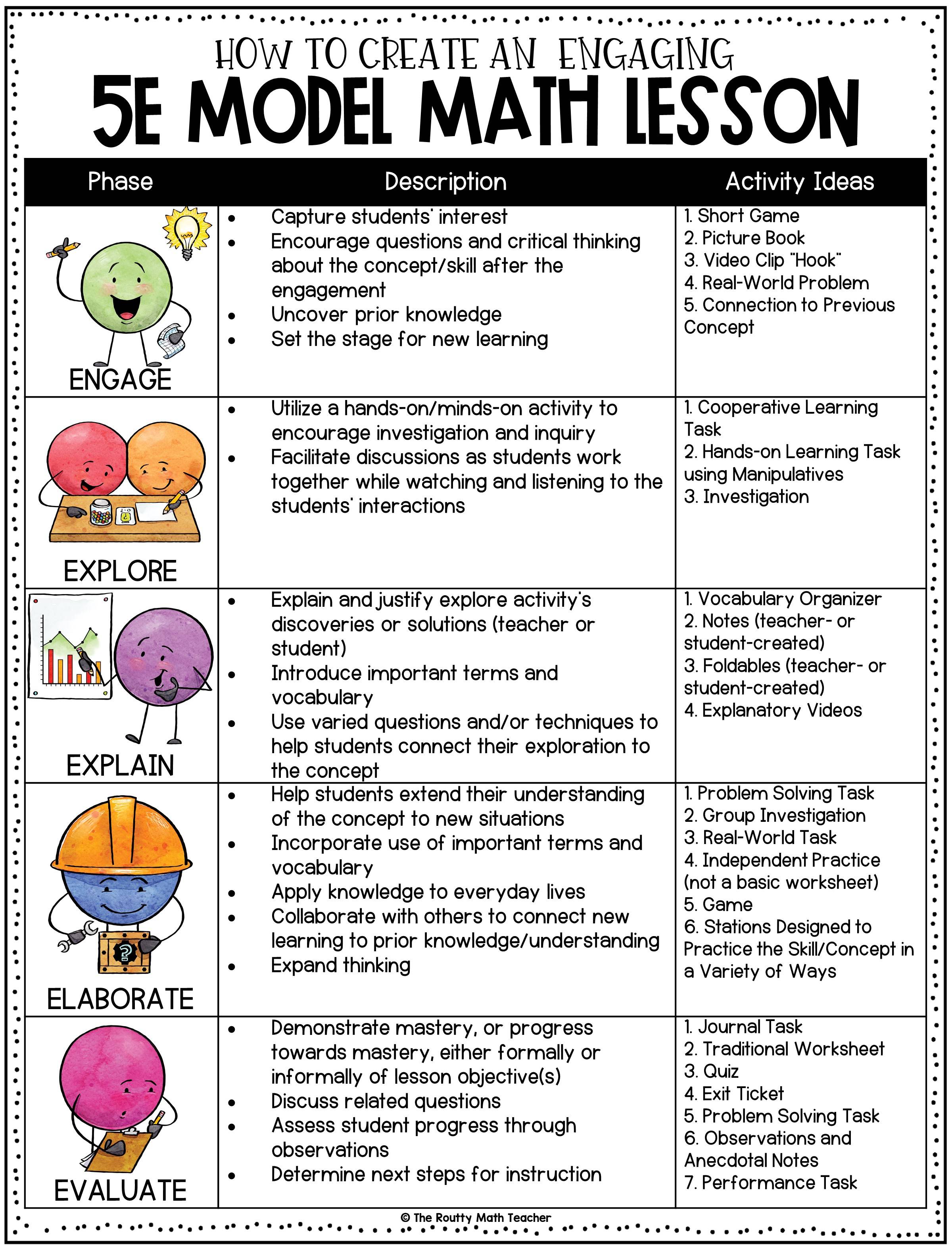
The 5e lesson framework provides a systematic instructional model based on constructivist learning theory, driving inquiry and deep conceptual understanding through structured exploration. According to the National Research Council (NRC), students achieve higher scientific and critical thinking competency when instruction follows an interactive, inquiry-based sequence rather than traditional rote memorization. This methodology structures educational delivery into five distinct phases: Engage, Explore, Explain, Elaborate, and Evaluate. Utilizing standardized templates within an Academic context ensures that educators and independent learners maintain rigorous pedagogical standards across diverse subjects.
Quick Key Takeaways:
- Core Focus: A constructivist instructional model dividing lessons into five progressive inquiry phases.
- Target User: Educators, curriculum designers, and homeschooling parents seeking structured teaching guides.
- Key Recommendation: Implement each phase sequentially without skipping the initial engagement hook.
What This Printable Covers
This structured teaching template guides lesson planning by segmenting complex topics into manageable, cognitive stages that foster active participation. The design aligns with modern curriculum standards, incorporating prompts for teacher facilitation, student inquiry actions, and formative assessment checkpoints. Learners transition seamlessly from identifying a real-world problem in the engagement phase to synthesizing new knowledge through structured Worksheet activities and reflective evaluations.
Key Learning Outcomes
Instructional sequences built on this model cultivate critical thinking by prompting learners to ask investigative questions before formal definitions are provided. Participants develop collaborative problem-solving skills during the cooperative exploration stage, where hands-on manipulation builds tangible connections to abstract concepts. Furthermore, the explanation phase reinforces academic vocabulary and conceptual clarity, while the elaboration stage challenges individuals to apply new schema to novel situations, ensuring long-term retention and cognitive flexibility.
Overview & Skill Breakdown
| Focus Area | Target Skill | Best Practice |
|---|---|---|
| Engagement & Exploration | Hypothesis generation and inquiry | Use open-ended prompts to spark curiosity without giving away answers. |
| Explanation & Elaboration | Concept mapping and application | Bridge student-discovered findings with formal academic terminology. |
| Evaluation | Formative and summative assessment | Incorporate self-assessment alongside traditional instructor grading matrices. |
How to Use This Worksheet
Implementing this layout requires pre-planning each phase before introducing the topic to a learning group. Facilitators begin by selecting a compelling hook for the engagement section, followed by organizing necessary materials for hands-on discovery during exploration. The layout serves as a real-time roadmap during instruction, keeping pacing aligned with cognitive development and allowing seamless transitions between independent investigation and teacher-led explanations.
Practical Tips for Success
Preparation involves gathering all tactile and digital resource materials prior to the session to prevent momentum loss during transitions. During execution, resist the urge to answer questions prematurely during the exploration phase, allowing learners to construct meaning autonomously. For the extension or elaboration phase, assign a creative follow-up project found within related Administrative or core subject libraries to reinforce mastery.
Stage-Appropriate Recommendations
For early childhood or foundational stages, emphasis rests heavily on concrete exploration and sensory engagement, aligning closely with National Association for the Education of Young Children (NAEYC) developmental principles. Advanced instructional levels shift focus toward deep elaboration and independent evaluation, where learners critique models and design their own investigations.
Inquiry-based instructional models like the 5e framework yield a 22% increase in conceptual retention compared to traditional lecture formats. — National Research Council
Frequently Asked Questions
Explore More Free Printable Resources
Enhance instructional toolkits with additional planning aids and subject-specific guides designed to support diverse learning environments. Access the complete library of organizing tools and teaching aids by visiting Free Printable For You today.
Images References


