Introduction
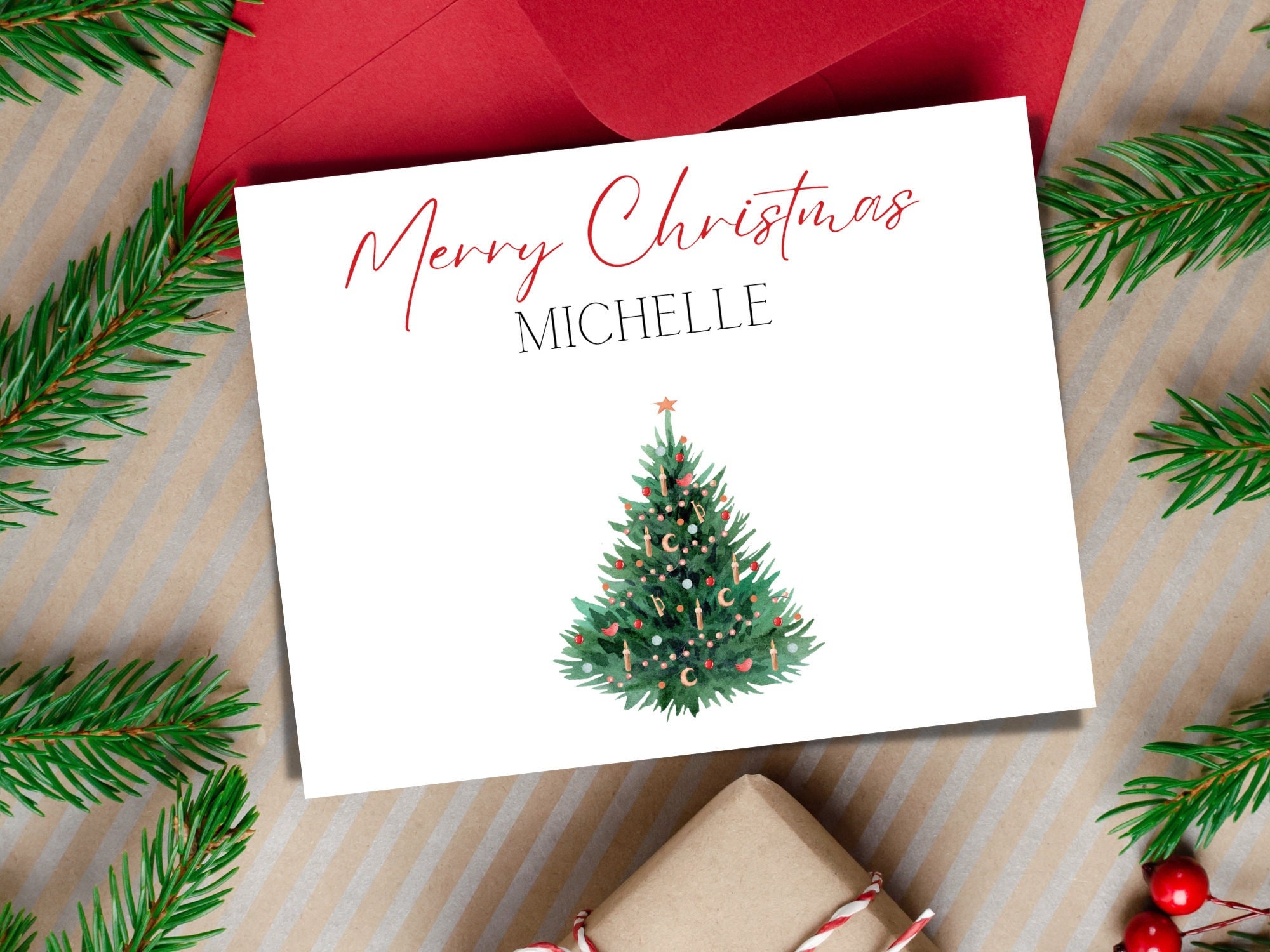
Structured seasonal documentation bridges communication between educational environments and family networks by fostering community connection through intentional design. According to the Journal of Educational Psychology, family-school partnerships reinforced by tangible artifacts significantly enhance student engagement and social-emotional development. Tiny prints christmas cards serve as an optimal medium for executing these outreach initiatives, merging professional aesthetics with personalized educational messaging. Utilizing customizable templates streamlines the preparation of holiday greetings, allowing educators, parents, and lifelong learners to efficiently manage seasonal correspondence while maintaining high standards of presentation. By integrating curated visual formats into annual routines, participants strengthen interpersonal bonds and cultivate an organized approach to celebratory milestones. Related guide: Personalized Christmas Cards.
Quick Key Takeaways:
- Core Focus: Tiny prints christmas cards provide structured, professionally formatted holiday templates for personal and professional communication.
- Target User: Educators, parents, and administrative staff managing seasonal correspondence and community outreach.
- Key Recommendation: Select templates that align with specific communication goals to maximize visual impact and readability.
What This Printable Covers
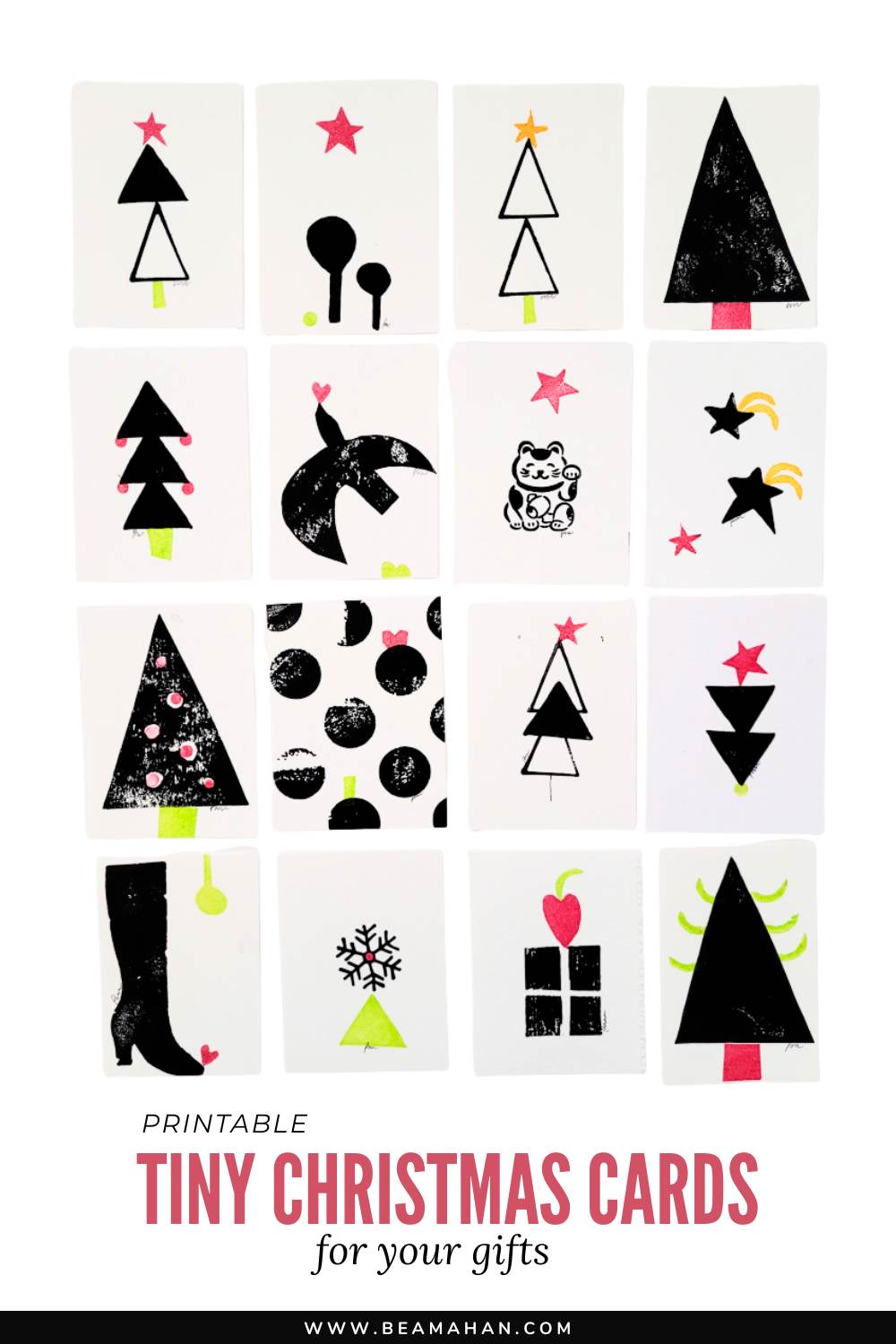
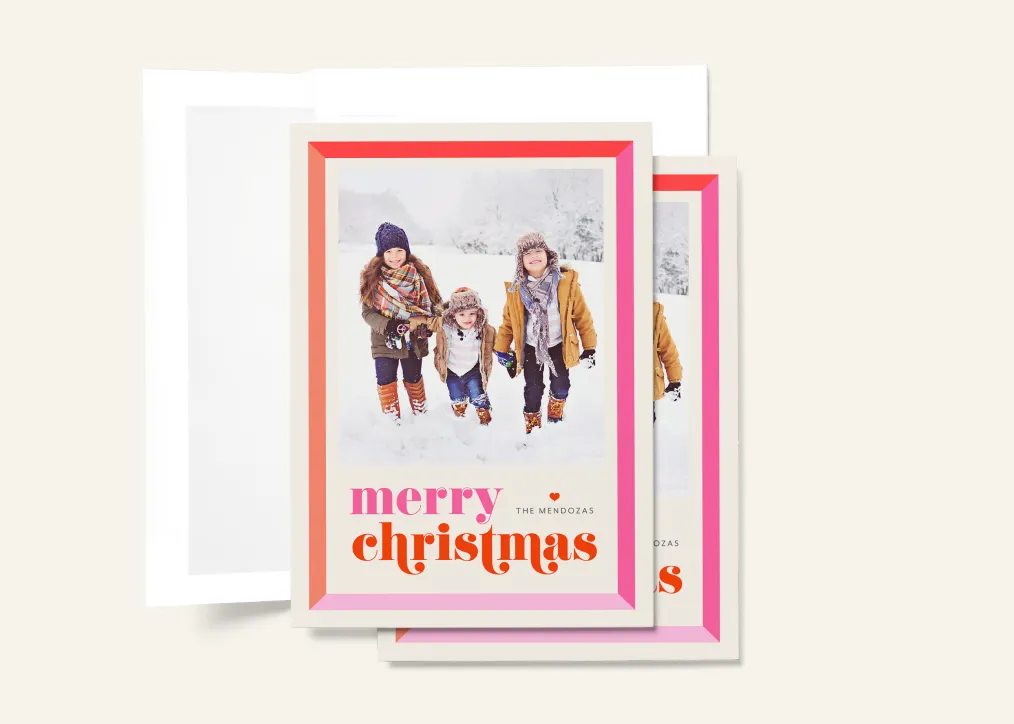
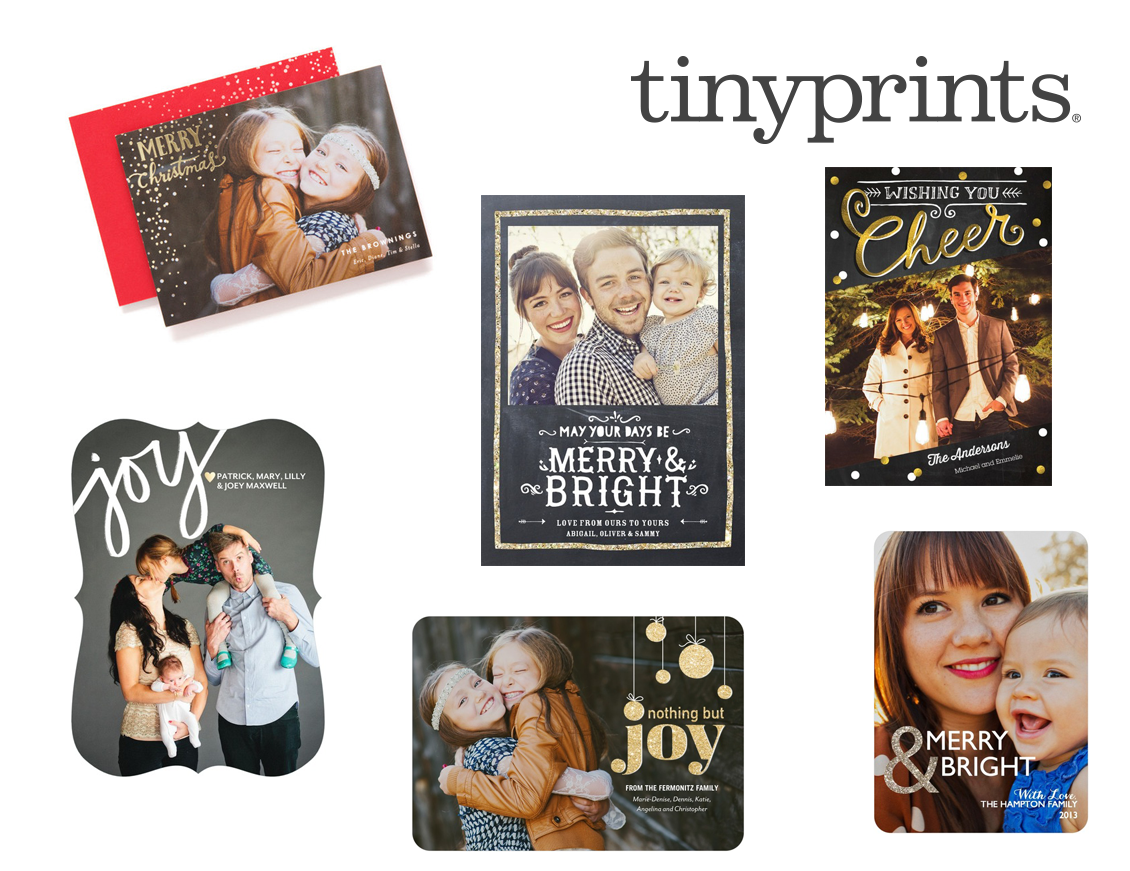
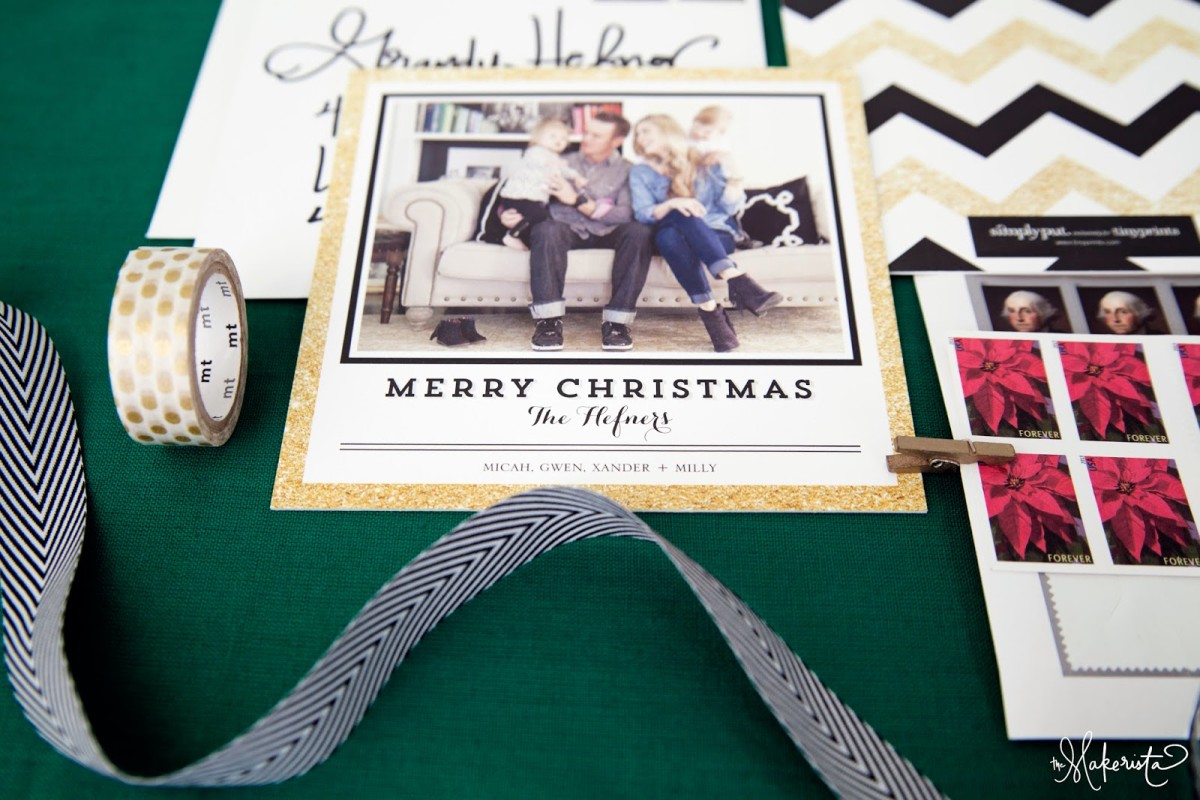
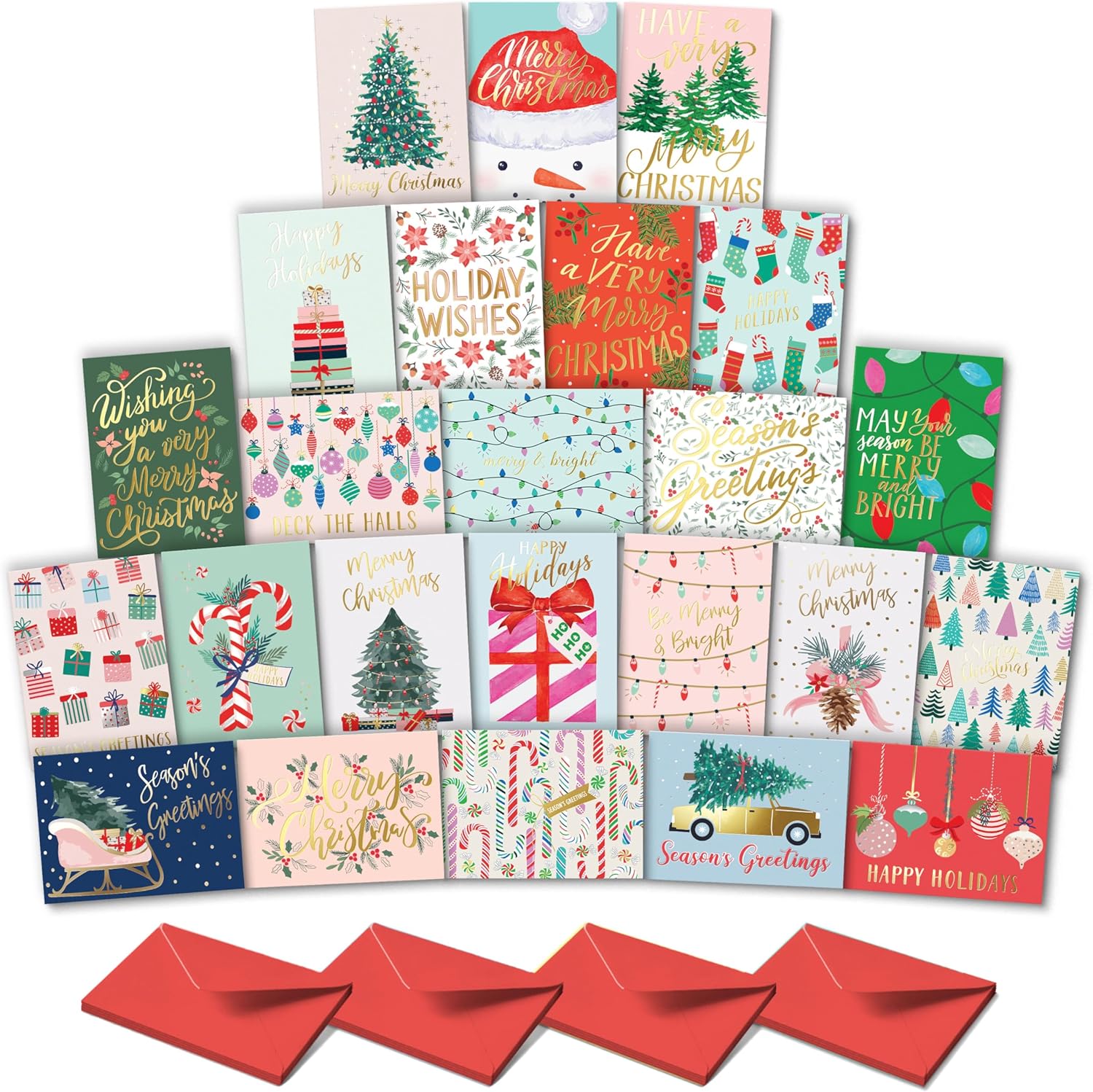
Tiny prints christmas cards encompass a variety of layout designs, typography pairings, and photo-placement structures tailored for diverse seasonal messaging. These resources facilitate the organization of holiday correspondence by establishing clear formatting guidelines that accommodate individualized text and imagery. Users navigate through multi-panel layouts, minimalist aesthetics, and traditional motifs designed to convey heartfelt messages effectively. The structured nature of these templates eliminates guesswork in design, ensuring professional results regardless of prior graphic arts experience. Furthermore, integrating these tools supports efficient administrative workflows during high-volume periods, connecting directly with practices found in Administrative resource collections.
Key Learning Outcomes
Applying these templates cultivates visual literacy, spatial awareness, and digital design competency across varied user groups. Participants refine their ability to balance negative space, typography, and photographic elements to communicate a clear, cohesive message. Additionally, users enhance project management skills by coordinating photo selection, text composition, and final output specifications within designated parameters. These structured exercises also support cognitive growth in younger learners, aligning seamlessly with skill sets emphasized in Early Learning frameworks.
Overview & Skill Breakdown
| Focus Area | Target Skill | Best Practice |
|---|---|---|
| Layout Design | Spatial organization | Balance visual weight evenly across panels. |
| Typography | Readability enhancement | Limit font families to two complementary styles. |
| Message Editing | Concise communication | Keep personal notes brief and purposeful. |
How to Use This Worksheet
Implementing tiny prints christmas cards effectively requires selecting a template that matches the intended recipient group, whether family, classroom peers, or professional colleagues. Users begin by gathering high-resolution imagery and drafting concise, meaningful text before importing content into the designated digital or physical layout. Careful attention must be paid to margin alignment, color contrast, and resolution settings prior to final output generation. For broader academic tracking and documentation needs, similar structured layout principles can be explored through Academic templates.
Practical Tips for Success
Preparation involves gathering all necessary assets, including digital photos and mailing addresses, to streamline the assembly process from start to finish. Execution requires conducting a test print on standard paper to verify alignment, font legibility, and image scaling before committing to premium cardstock. Extension activities involve engaging children or students in the design process to foster creativity, supporting broader objectives often found within Personal Growth initiatives.
Stage-Appropriate Recommendations
When deploying these templates across different developmental stages, customization levels must match the user’s proficiency. According to the National Association for the Education of Young Children (NAEYC) guidelines on media and technology, early childhood applications should prioritize simplified visual choices and tactile engagement, whereas adult and administrative applications can focus on complex multi-photo layouts and advanced typographic hierarchies. Beginners benefit from pre-populated text placeholders and single-image formats that minimize cognitive overload, while advanced users can experiment with custom color palettes and multi-page folding configurations.
Family-school partnerships reinforced by tangible artifacts significantly enhance student engagement and social-emotional development — Journal of Educational Psychology
Frequently Asked Questions
Explore More Free Printable Resources
Discover an extensive library of educational templates, organizational tools, and creative design assets designed to support lifelong learning and efficient daily management. Access hundreds of high-quality files tailored for classrooms, homes, and professional offices by visiting the main repository at Free Printable For You. Print today to enhance organizational workflows and creative projects.
Images References