Introduction
A ready teacher toolbox is a curated, highly organized collection of essential instructional templates, management aids, and diagnostic tracking sheets designed to maximize daily educational efficiency. According to the National Center for Education Statistics, educators lose an average of four hours per week searching for or designing instructional materials, highlighting the urgent need for pre-compiled systems. By utilizing a standardized repository of resources, instructors bypass repetitive preparation hurdles and redirect vital cognitive energy toward direct student engagement, diagnostic assessment, and responsive instruction. Related guide: Comprehension For Class 7.
Quick Key Takeaways:
- Core Focus: Pre-formatted templates and organizational tools designed to streamline daily instructional workflows.
- Target User: Classroom educators, homeschool instructors, and learning center facilitators managing diverse groups.
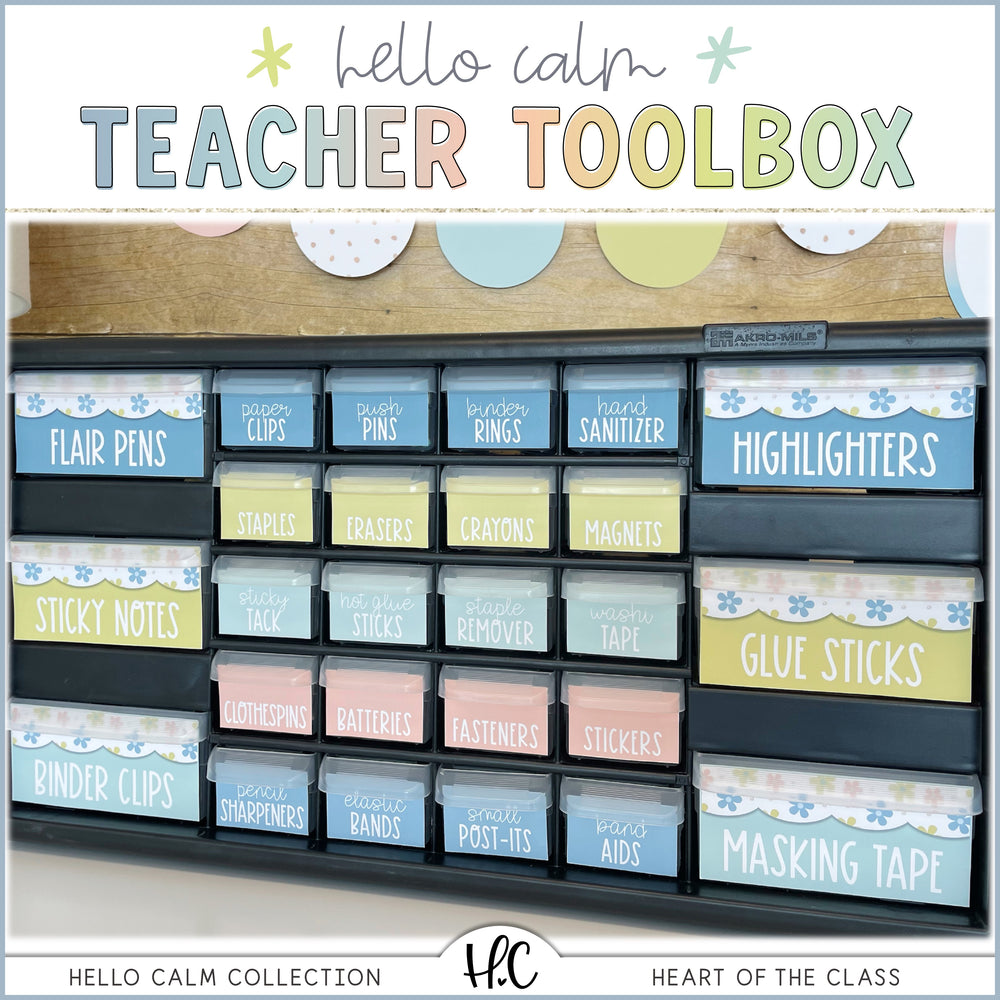
- Key Recommendation: Laminate core components and organize them into color-coded physical or digital binders for immediate retrieval.
What This Printable Covers
This comprehensive framework encompasses foundational Academic tracking tools alongside structural Administrative logs, ensuring seamless synchronization between lesson delivery and record keeping. The ready teacher toolbox bridges the gap between curriculum design and practical execution by offering modular sheets that adapt to multi-age environments, intervention groups, and independent study setups. Each component is meticulously engineered to reduce administrative burden while elevating pedagogical clarity, supporting structured observation, data-driven grouping, and rapid transition management across varied learning spaces.
Key Learning Outcomes
Implementation of this tool yields measurable improvements in instructional pacing and resource management. Users experience enhanced capability in tracking individual student progress through standardized documentation, streamlined transitions that minimize off-task behavioral windows, and optimized lesson execution driven by readily available scaffolding materials. Furthermore, the toolbox fosters systematic organization, allowing facilitators to maintain clear records that satisfy formal evaluation standards without demanding excessive off-hours labor.
Overview & Skill Breakdown
| Focus Area | Target Skill | Best Practice |
|---|---|---|
| Workflow Design | Time Management | Pre-print monthly quotas to avoid daily copying bottlenecks. |
| Diagnostic Tracking | Data Analysis | Update formative logs immediately following exit-ticket reviews. |
| Resource Management | Asset Organization | Store modular components in transparent, labeled pocket folders. |
How to Use This Worksheet
Integrating the ready teacher toolbox into daily routines requires establishing a centralized command center, whether physical or digital. Instructors should begin by auditing their specific instructional requirements, selecting matching templates from categories such as foundational Early Learning or targeted Worksheet repositories, and arranging them in order of frequency of use. Establishing a routine morning or weekly review of these tools ensures that assessment charts, attendance trackers, and filler activities remain stocked and ready for deployment.
Practical Tips for Success
Preparation involves printing master copies on durable cardstock and safeguarding frequently handled pages with matte heavy-duty laminating pouches to permit dry-erase notation. Execution is enhanced by keeping a dedicated grab-and-go section near the primary instructional area for unexpected sub plans or rapid early-finisher distribution. Extension of the system involves reviewing template efficacy at the conclusion of each grading period, swapping out underutilized logs for specialized self-directed Personal Growth trackers that support broader developmental objectives.
Stage-Appropriate Recommendations
Adaptation of the toolbox depends heavily on the developmental stage of the learning environment. For introductory or foundational settings, adherence to the National Association for the Education of Young Children (NAEYC) professional standards ensures that tracking mechanisms prioritize holistic observation, social-emotional milestones, and tactile manipulation logs. In contrast, advanced or secondary settings benefit from modular configurations focused on self-regulation, peer-assessment rubrics, and rigorous competency metrics that promote academic autonomy and meta-cognitive reflection.
4 Hours Saved Weekly Through Pre-Compiled Instructional Toolkits — National Center for Education Statistics
Frequently Asked Questions
Q: How do I download these instructional templates?
A: Simply click the download button on the resource page to save the high-resolution PDF directly to your device for instant printing.
Q: What is the main practical benefit of using this toolkit?
A: It drastically reduces daily preparation time by providing standardized, reusable templates for tracking, planning, and management.
Q: Are these materials aligned with recognized educational standards?
A: Yes, all templates follow established professional frameworks like NAEYC and professional instructional design principles.
Explore More Free Printable Resources
Building a comprehensive instructional environment extends beyond basic planning templates and requires a diverse array of supporting materials. Educators, parents, and lifelong learners can access an expansive collection of specialized classroom aids, administrative organizers, and engaging practice sheets by visiting the main library at Free Printable For You. Discover new ways to elevate daily organization and foster meaningful learning experiences today.
Images References