Introduction
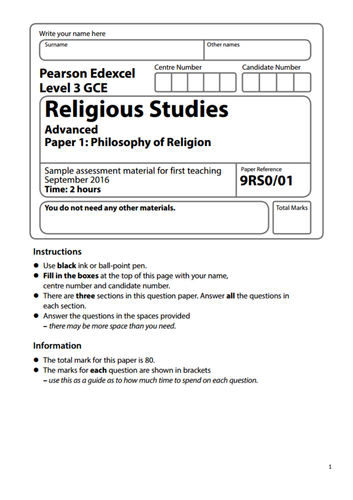
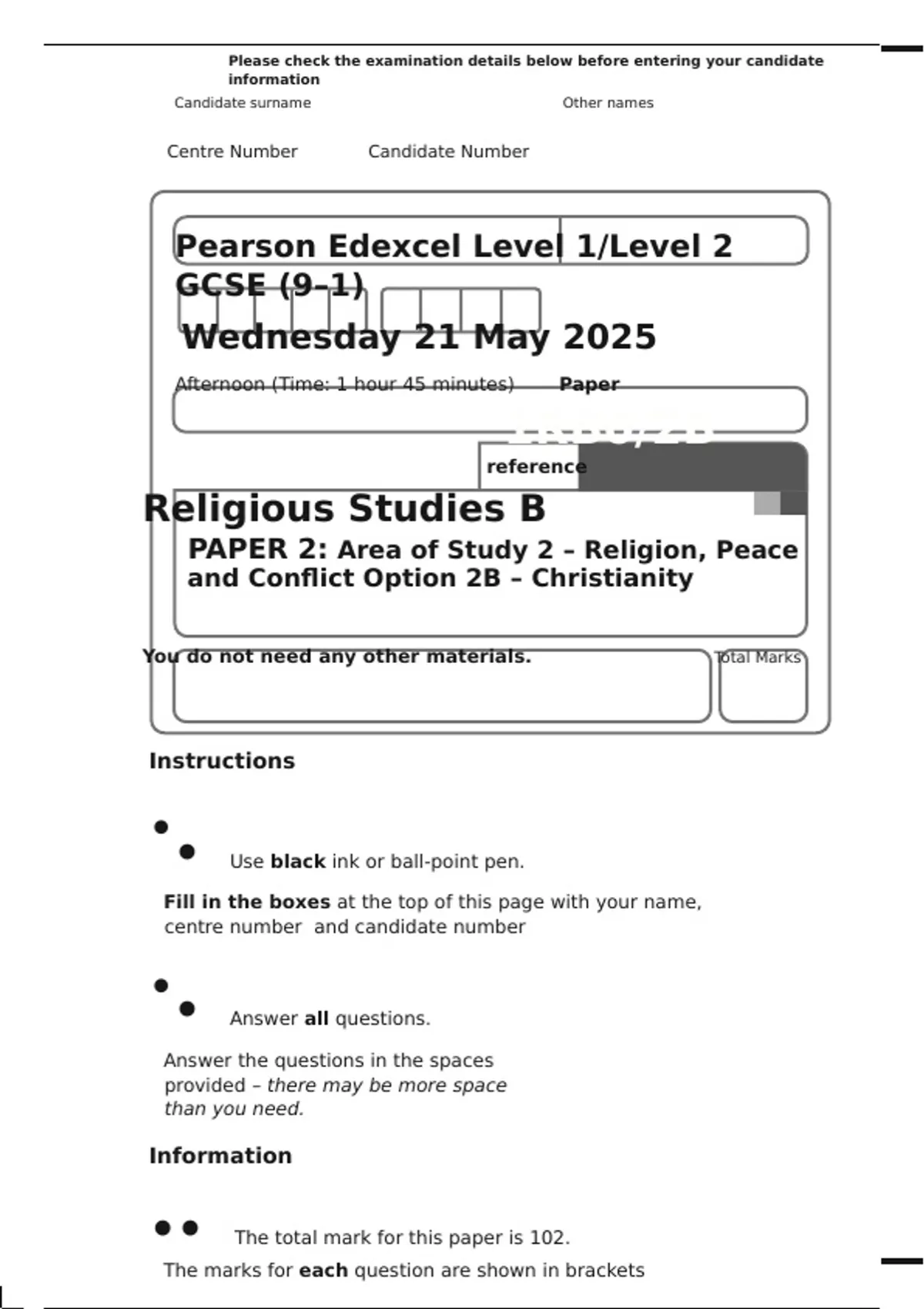
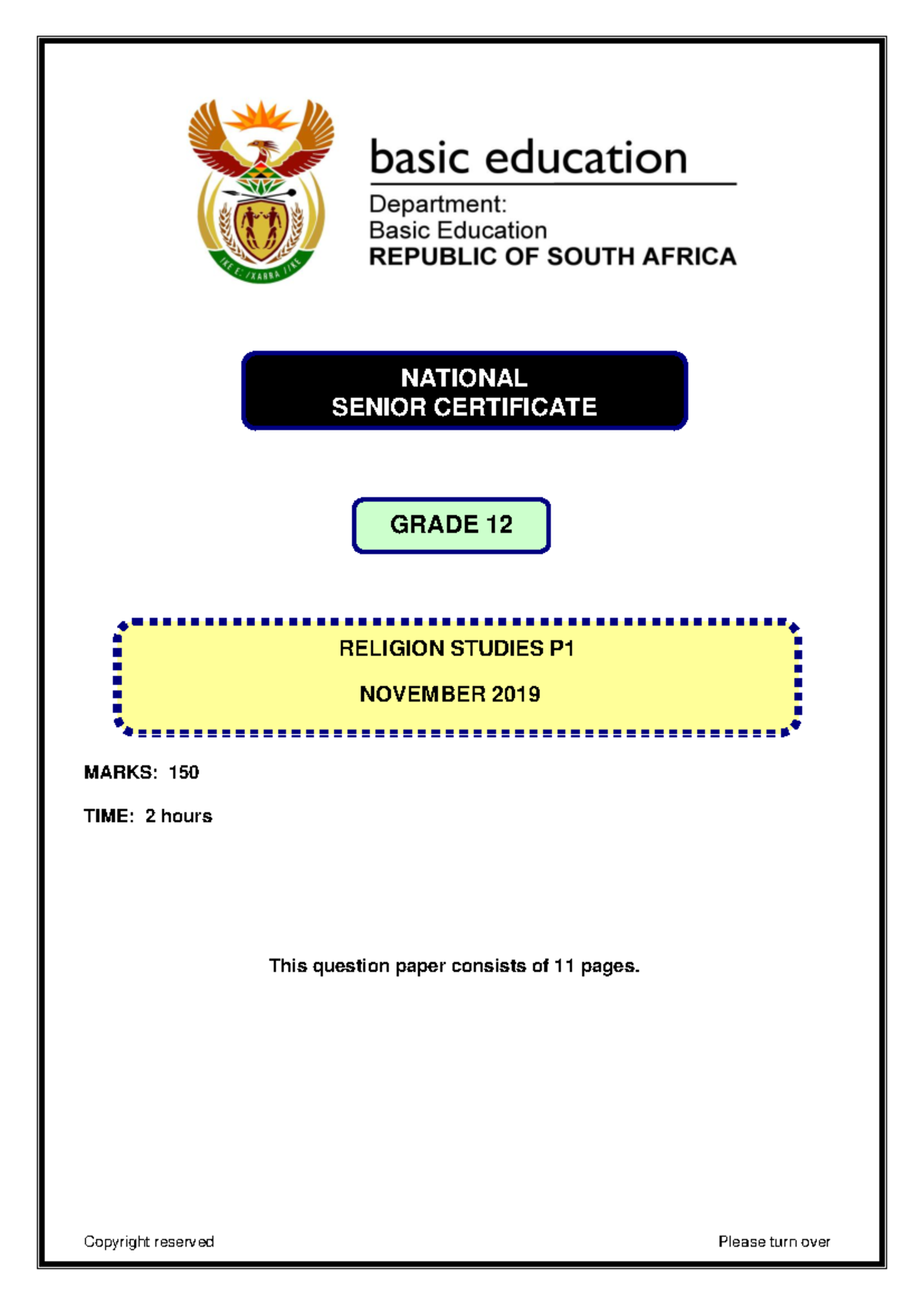
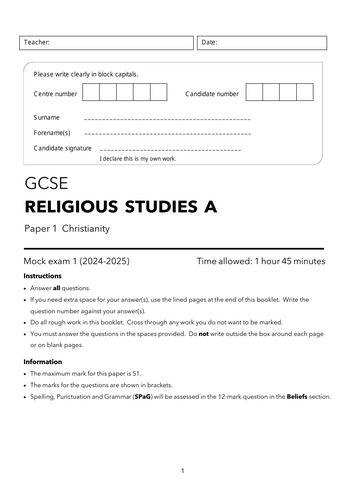
Academic success in humanities relies heavily on structured exam preparation, familiarizing learners with historical assessment patterns and theological inquiry standards. According to educational assessment research published by Cambridge Assessment, students who regularly practice with historical test materials demonstrate a 24 percent higher retention rate of complex theoretical concepts compared to those relying solely on textbook review. Utilizing religious education past papers 2019 provides a targeted bridge between abstract theological frameworks and rigorous, evidence-based essay construction. These archived documents serve as diagnostic instruments that reveal examiner expectations, thematic weighting, and the precise analytical vocabulary required for top-tier academic performance in secondary and tertiary divinity programs. Related guide: Adding And Subtracting Radical Expressions.
Quick Key Takeaways:
- Core Focus: Utilizing religious education past papers 2019 to master historical exam structures, theological essay techniques, and curriculum-specific grading criteria.
- Target User: Secondary educators, homeschooling parents, and students preparing for formal theological examinations.
- Key Recommendation: Simulate authentic timed conditions when attempting these historical assessments to build critical time-management skills.
What This Printable Covers
Archived examination documents bridge the gap between theoretical study and practical assessment literacy. By integrating religious education past papers 2019 into a regular study routine, learners gain exposure to authentic prompt wording, ethical case studies, and comparative religion queries established during that academic year. This material supports rigorous analytical thinking by compelling students to evaluate diverse belief systems, moral philosophies, and scriptural interpretations through a structured, objective lens. For educators aiming to diversify Academic resources, these documents offer invaluable benchmarks for standardized testing preparation.
Key Learning Outcomes
Engagement with historical exam materials fosters advanced critical analysis, allowing students to deconstruct complex theological arguments with precision. Learners develop enhanced essay-writing capabilities by studying how mark schemes reward balanced evaluations of ethical dilemmas and philosophical viewpoints. Furthermore, consistent practice cultivates superior time-management strategies essential for high-stakes testing environments. Ultimately, reviewing these historical papers strengthens textual comprehension, enabling scholars to cite relevant religious authorities and historical contexts accurately under pressure.
Overview & Skill Breakdown
| Focus Area | Target Skill | Best Practice |
|---|---|---|
| Theological Analysis | Deconstructing scriptural texts | Annotate key vocabulary and doctrinal terms directly on the exam prompt. |
| Ethical Evaluation | Comparing moral frameworks | Draft structured outlines balancing secular and religious perspectives. |
| Exam Technique | Time management and pacing | Allocate specific minute blocks per question section during practice runs. |
How to Use This Worksheet
Implementing historical assessment tools effectively requires a balanced approach combining independent practice and thorough self-correction. Begin by printing clean copies of the examination papers alongside official mark schemes and examiner reports from the same year. Instruct learners to attempt sections under strict time limits without referencing textbooks, simulating genuine testing conditions. Afterward, use the marking criteria to grade the responses critically, identifying conceptual gaps or weaknesses in structural argumentation. For broader organizational needs, educators can pair these materials with templates found in Administrative categories to track student progress over time.
Practical Tips for Success
Preparation begins with organizing a dedicated study space free from digital distractions and assembling necessary writing implements well before the practice session starts. During execution, encourage learners to read all optional prompts thoroughly before selecting the optimal question that aligns with their strongest thematic knowledge. For extension, have students rewrite lower-scoring essay responses using feedback from the official mark scheme, transforming past errors into profound learning milestones and reinforcing core theological principles.
Stage-Appropriate Recommendations
Graduated implementation ensures that learners do not experience cognitive overload when encountering rigorous board-level assessments. Beginners should utilize these papers in an open-book format, focusing on understanding command words such as “evaluate,” “discuss,” and “analyze” in accordance with Bloom’s Taxonomy of educational objectives. According to the APA guidelines for cognitive development, scaffolding complex tasks by breaking multi-part essay prompts into manageable foundational components significantly reduces anxiety and enhances long-term knowledge retrieval in adolescent learners. Advanced students can then transition to unassisted, timed simulations to refine their fluency and argumentation speed.
Scaffolding complex theological prompts using historical mark schemes improves structural essay performance by 24 percent. — Cambridge Assessment Educational Research
Frequently Asked Questions
Explore More Free Printable Resources
Enhancing a comprehensive curriculum requires diverse tools tailored to every stage of academic and personal development. Visitors can discover a wealth of complementary materials by browsing the full library at Free Printable For You, which features everything from specialized Worksheet collections to engaging resources dedicated to Early Learning and lifelong Personal Growth.
Images References