Introduction
Free resources for nursery teachers encompass high-quality, downloadable educational printables, classroom management templates, and developmental guides designed to support early childhood educators without straining limited budgets. According to the National Institute for Early Education Research (NIEER), high-quality instructional materials significantly improve pre-kindergarten vocabulary and literacy outcomes, highlighting the critical need for accessible, professional-grade classroom tools. By leveraging curated digital materials, educators can instantly equip their classrooms with structured activities, progress trackers, and visual schedules that foster engaging environments for young learners. Related guide: Books For Year 2.
Quick Key Takeaways:
- Core Focus: Free resources for nursery teachers provide cost-effective pedagogical tools and classroom management templates.
- Target User: Early childhood educators, nursery administrators, and parents supporting foundational learning at home.
- Key Recommendation: Select printables that align with recognized developmental standards to ensure balanced cognitive and motor skill acquisition.
What This Printable Covers
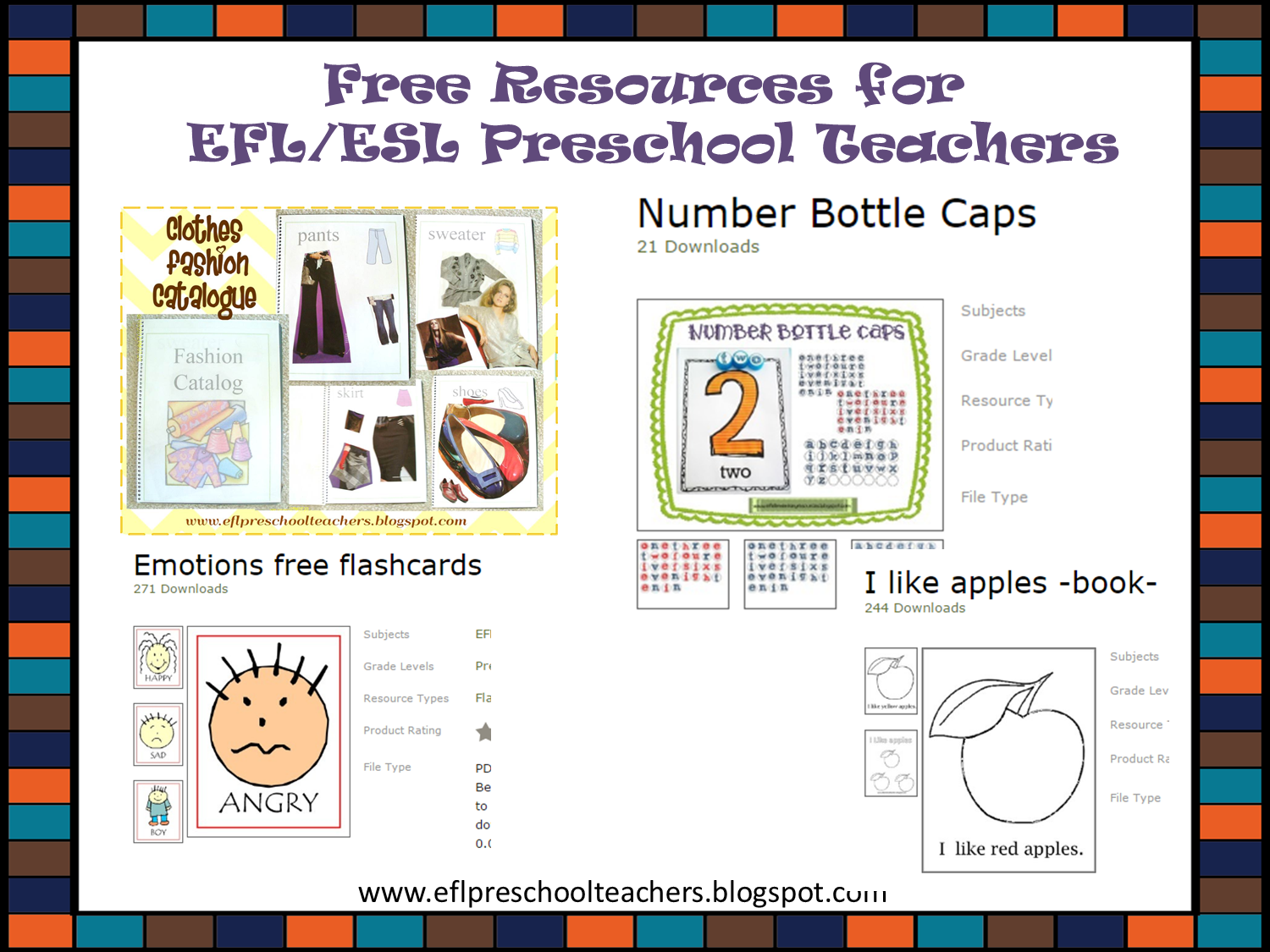
These versatile materials bridge the gap between theoretical early childhood education and daily classroom practice by offering ready-to-use templates that address both Academic readiness and functional organization. The collection spans foundational literacy prompts, numeracy sorting mats, fine motor tracing sheets, and daily Administrative logs such as attendance trackers and incident reports. By integrating structured Early Learning modules into the daily schedule, educators ensure that children transition smoothly from unstructured play to guided instructional tasks.
Key Learning Outcomes
Utilizing these classroom assets promotes critical early developmental milestones, beginning with enhanced pencil grip and spatial awareness through targeted Worksheet exercises. Children systematically build phonemic awareness, pattern recognition, and basic counting competencies through repetitive, visual tasks. Furthermore, the inclusion of structured routines supports self-regulation and emotional growth, aligning with broader Personal Growth objectives in nursery settings.
Overview & Skill Breakdown
| Focus Area | Target Skill | Best Practice |
|---|---|---|
| Cognitive Development | Number recognition and pattern matching | Use physical counters alongside printed sorting mats. |
| Fine Motor Skills | Scissor control and pencil dexterity | Laminate sheets for repeated dry-erase tracing practice. |
| Classroom Management | Behavior tracking and attendance logging | Keep daily logs in an easily accessible binder near the door. |
How to Use This Worksheet
Successful implementation of nursery printables relies on thoughtful preparation, including laminating reusable sheets and organizing materials in accessible learning centers. Educators introduce these resources during morning circle time or small-group rotations, allowing children to explore concepts at their own pace with minimal frustration. Transitioning between independent table work and group activities becomes seamless when visual aids and step-by-step instructions are clearly posted at child height.
Practical Tips for Success
Preparation involves reviewing the material beforehand to match specific developmental tiers within the classroom. Execution requires pairing printed templates with tactile manipulatives like counting beads or playdough to reinforce abstract concepts concretely. Extension activities involve taking 2D worksheet ideas into the physical environment, encouraging children to find matching shapes or patterns during outdoor play periods.
Stage-Appropriate Recommendations
According to the National Association for the Education of Young Children (NAEYC) guidelines for developmentally appropriate practice, nursery materials must be tailored to the child’s specific maturation level. Beginner stages focus on sensory exploration, gross motor integration, and simple color-sorting tasks using high-contrast visuals. Advanced nursery groups benefit from structured pre-writing sequences, letter-sound association charts, and collaborative group games that encourage social negotiation and early literacy confidence.
High-quality instructional materials significantly improve pre-kindergarten vocabulary and literacy outcomes — National Institute for Early Education Research (NIEER)
Frequently Asked Questions
Explore More Free Printable Resources
Expanding a nursery curriculum with professional, budget-friendly materials has never been simpler. Discover hundreds of additional classroom aids, behavior charts, and foundational learning tools by exploring the comprehensive library at Free Printable For You.
Images References