
Introduction
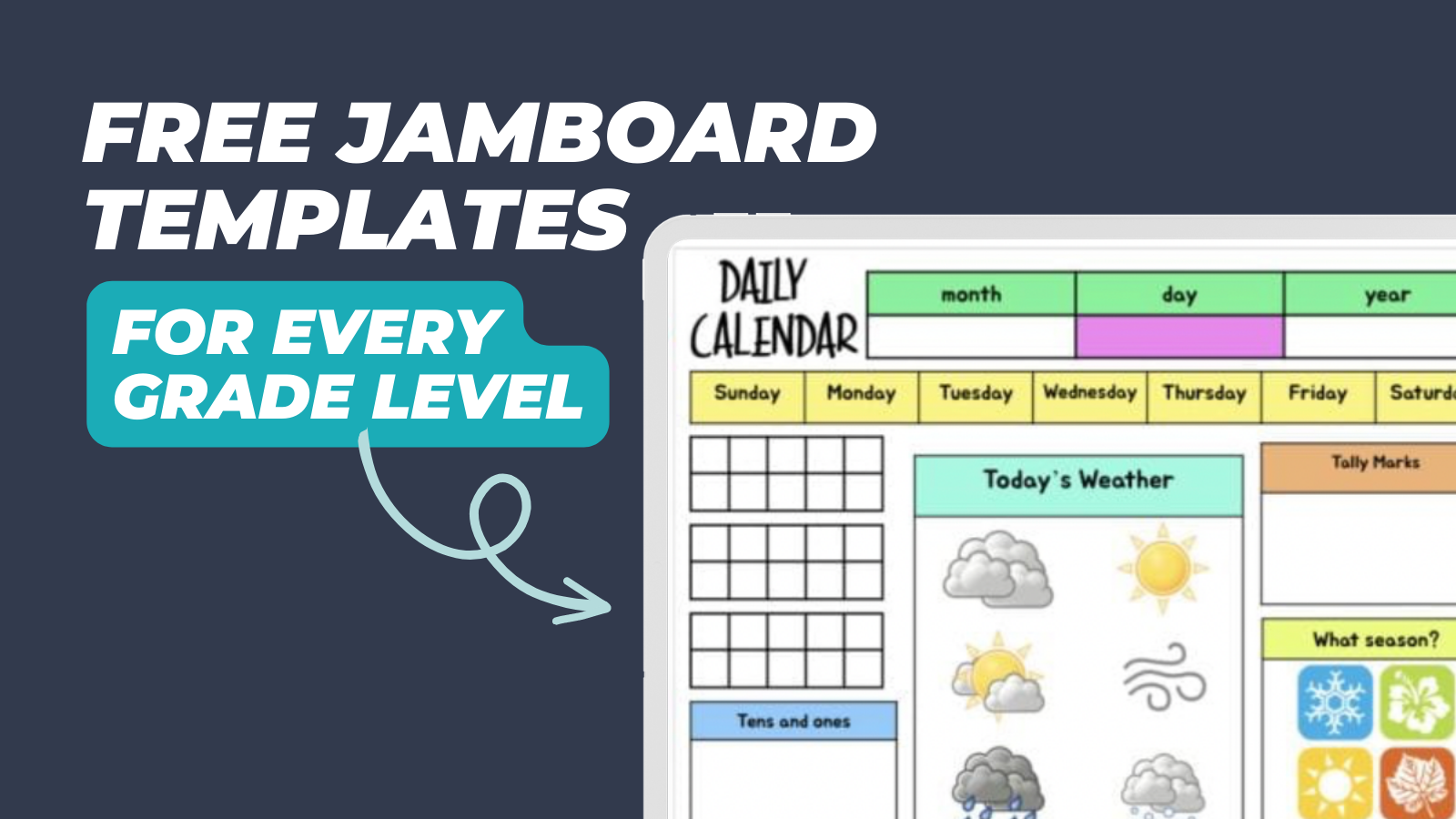
Jamboard templates for teachers free provide immediate, structured interactive canvases that streamline collaborative digital instruction without requiring subscription fees. Modern digital classrooms require versatile tools that foster active participation, concept mapping, and real-time peer feedback. According to the Institute of Education Sciences (IES), structured visual collaboration tools significantly improve student engagement and information retention during remote or hybrid instructional sessions. Utilizing pre-formatted digital layouts reduces preparation time while maximizing instructional impact across diverse subjects found within Academic settings.
Quick Key Takeaways:
- Core Focus: Free, ready-to-use digital whiteboard layouts designed specifically for interactive educator-led instruction.
- Target User: K-12 educators, instructional designers, and facilitators managing synchronous or asynchronous learning environments.
- Key Recommendation: Standardize layout structures across recurring lessons to minimize technical friction for learners.
What This Printable Covers
This resource category covers a comprehensive array of digital layout structures tailored for lesson planning, formative assessment, brainstorming sessions, and project management. Designed to replace physical whiteboards, these materials integrate seamlessly with various remote learning platforms to support visual learners and collaborative problem-solving. Beyond general classroom use, specialized layouts support workflow organization similar to resources found in Administrative hubs, ensuring that educators maintain organized digital portfolios. These templates facilitate graphic organization, Venn diagrams, KWL charts, and timeline creation, addressing foundational cognitive skill sets across multiple disciplines.
Key Learning Outcomes
Learners and participants systematically build critical thinking, peer collaboration, and visual literacy skills through structured digital interaction. Collaborative exercises encourage active synthesis of complex topics, allowing groups to categorize ideas, vote on solutions, and construct shared concept webs. Furthermore, these digital worksheets reinforce digital citizenship as participants learn to respect shared workspaces, contribute constructively, and organize chaotic data into coherent visual narratives.
Overview & Skill Breakdown
| Focus Area | Target Skill | Best Practice |
|---|---|---|
| Concept Mapping | Synthesizing hierarchical relationships | Use color-coded sticky notes for distinct categories. |
| Formative Assessment | Quick comprehension checks | Assign specific quadrants to individual student groups. |
| Interactive Brainstorming | Generating and sorting ideas | Set a timer to encourage rapid, unfiltered ideation. |
How to Use This Worksheet
Implementation begins by distributing the digital template link to participants, ensuring appropriate viewing or editing permissions are set according to the collaborative goal. Educators can project the main canvas while students manipulate their designated frames or collaborate on a unified master board. For traditional offline reinforcement, these digital frameworks translate effectively into standard printable formats akin to a traditional Worksheet, bridging the gap between digital and physical learning environments. Facilitators should establish clear expectations regarding digital markers, text boxes, and sticker usage prior to launching collaborative tasks.
Practical Tips for Success
Preparation involves duplicating a master template copy before each session to preserve a clean version for future classes. During execution, assigning specific color codes to individual participants helps maintain accountability and track individual contributions across complex brainstorming matrices. For extension activities, encourage students to export completed boards as image files to compile into personal digital portfolios or reflection journals.
Stage-Appropriate Recommendations
Beginner stages utilize simplified single-focus boards featuring minimal text boxes and large visual cues, aligning with foundational pedagogical strategies outlined by the National Association for the Education of Young Children (NAEYC). Advanced stages incorporate multi-step analytical frameworks, complex Venn diagrams, and matrix sorting grids that challenge higher-order cognitive processing. Tailoring board complexity to the developmental readiness of the group ensures optimal cognitive load management and sustained participation.
Structured visual collaboration tools significantly improve student engagement and information retention during remote or hybrid instructional sessions. — Institute of Education Sciences (IES)
Frequently Asked Questions
Explore More Free Printable Resources
Enhance instructional toolkits by browsing additional curated educational assets designed to support diverse learning environments. Discover comprehensive materials ranging from foundational exercises to organizational tools available through the main library at Free Printable For You.
Images References