Introduction
A pointer teaching aid is a targeted instructional tool designed to direct visual focus, reinforce left-to-right tracking, and enhance engagement during shared reading and board instruction. According to a study published in the Journal of Educational Psychology, physically isolating text components using directional markers significantly improves visual attention span and reading fluency in developing learners. Utilizing a pointer teaching aid helps bridge the gap between spoken language and written symbols by anchoring the eye directly to the corresponding print. This structured visual engagement minimizes distraction, supports focus in busy learning environments, and encourages active participation across foundational academic settings.
Quick Key Takeaways:
- Core Focus: Direct visual tracking and text isolation through a specialized pointer teaching aid.
- Target User: Early educators, reading specialists, and parents guiding foundational literacy skills.
- Key Recommendation: Pair finger-length handheld pointers with printable text strips to build deliberate tracking habits.
What This Printable Covers
This resource package provides versatile templates for constructing and implementing physical directional markers, supporting structured literacy exercises and whole-group instruction. The materials align directly with pedagogical standards found in the Early Learning domain, focusing heavily on motor-visual coordination. By isolating lines of text or specific whiteboard diagrams, these printables reduce cognitive overload and teach learners how to systematically scan printed materials from top to bottom and left to right.
Key Learning Outcomes
The implementation of a pointer teaching aid fosters rigorous visual tracking and precise eye-movement control. Learners build essential phoneme-grapheme correspondence by connecting the physical marker’s endpoint directly to individual letters and spoken sounds. Furthermore, sustained interaction with these physical markers instills independent self-monitoring habits, allowing individuals to catch and correct tracking errors during independent reading tasks. Mastery of these skills transitions smoothly into broader Academic pursuits where dense text decoding is required.
Overview & Skill Breakdown
| Focus Area | Target Skill | Best Practice |
|---|---|---|
| Visual Tracking | Left-to-right eye movement | Move the pointer steadily without bouncing across syllables. |
| Phonics Integration | Grapheme-to-phoneme mapping | Align the tip directly beneath each letter as the sound is articulated. |
| Focus Management | Attention regulation | Use high-contrast markers to block out surrounding distractions. |
How to Use This Worksheet
To maximize the effectiveness of a pointer teaching aid, print the templates onto heavy cardstock and laminate them for durability during daily use. Educators and parents can introduce the tool during guided reading sessions by holding the pointer first, then gradually transferring control to the learner. For supplementary skill reinforcement, pair these tools with a targeted Worksheet designed for letter recognition and line tracing.
Practical Tips for Success
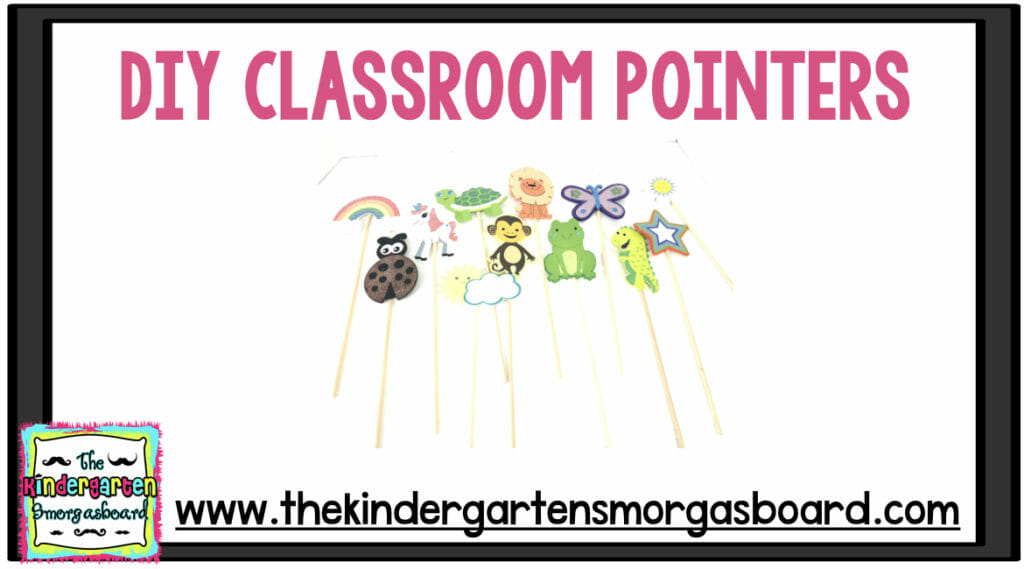
Preparation involves cutting out the pointer templates cleanly and attaching them to craft sticks or leaving them as ergonomic handheld strips depending on user dexterity. During execution, encourage a relaxed grip that prevents hand fatigue while maintaining steady contact with the reading surface. As an extension activity, transition from large-scale presentation boards down to standard text blocks to ensure the newly acquired tracking skills generalize across varied formats.
Stage-Appropriate Recommendations
According to the National Association for the Education of Young Children (NAEYC) developmental framework, scaffolding visual and physical tools is crucial for mastery in early childhood education. Beginner stages benefit from oversized, high-contrast pointers that isolate single words or large letters to reduce cognitive friction. Advanced stages require sleek, pen-style pointers or transparent tracking strips that allow readers to view upcoming lines while keeping their current place secure.
Visual tracking aids improve reading speed and accuracy — Journal of Educational Psychology
Frequently Asked Questions
Q: How can I access the printable pointer templates?
A: Download the files instantly from the library and print them on standard paper or cardstock.
Q: What is the primary practical benefit of this tool?
A: It enhances concentration, reduces skipping lines, and builds strong left-to-right reading habits.
Q: Which trusted developmental framework guides these recommendations?
A: The guidelines align directly with standards established by the NAEYC for early skill development.
Explore More Free Printable Resources
Discover a wide assortment of organizational materials, classroom assets, and student exercises designed to support every phase of the educational journey. Whether organizing daily schedules using templates from Administrative categories or supporting developmental milestones through Personal Growth tools, the complete library at Free Printable For You provides valuable assets for every learning environment.
Images References