Introduction
A practice sheet serves as a structured, targeted tool designed to reinforce specific competencies through repeated execution and guided application. According to cognitive load theory research published by the Journal of Educational Psychology, distributed practice via structured physical sheets significantly improves long-term knowledge retention compared to massed studying. Educational environments rely heavily on these physical exercises to bridge the gap between abstract instruction and automated mastery. By isolating single skill sets onto paper, learners reduce extraneous cognitive processing and concentrate fully on the task at hand, whether mastering foundational spelling patterns, managing daily workflows, or refining complex arithmetic equations.
Quick Key Takeaways:
- Core Focus: Direct reinforcement of foundational skills through targeted, repeatable paper-based exercises.
- Target User: Educators, parents, and professionals seeking structured skill acquisition in classrooms and offices.
- Key Recommendation: Implement short, consistent daily sessions rather than isolated, lengthy review blocks.
What This Printable Covers
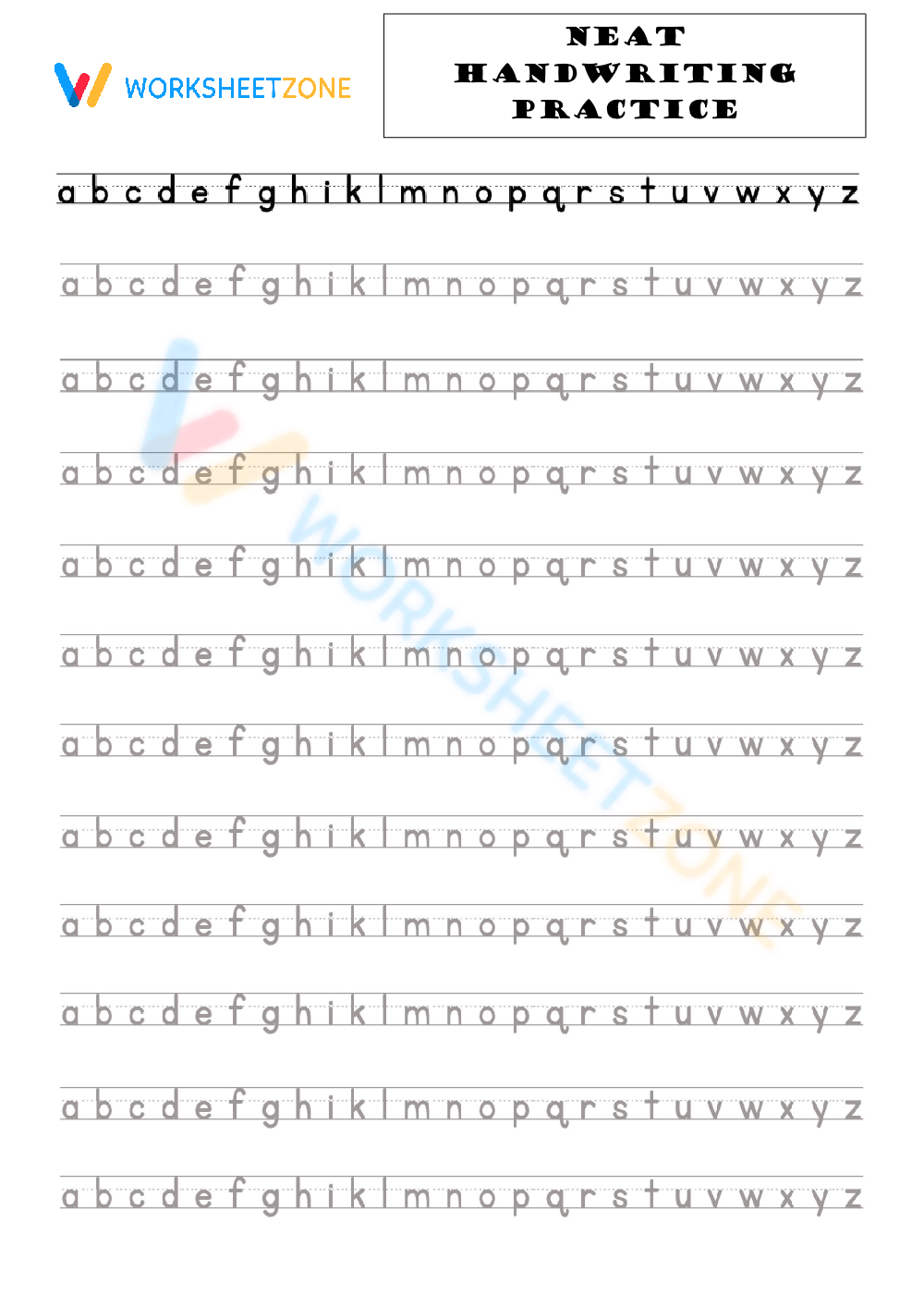
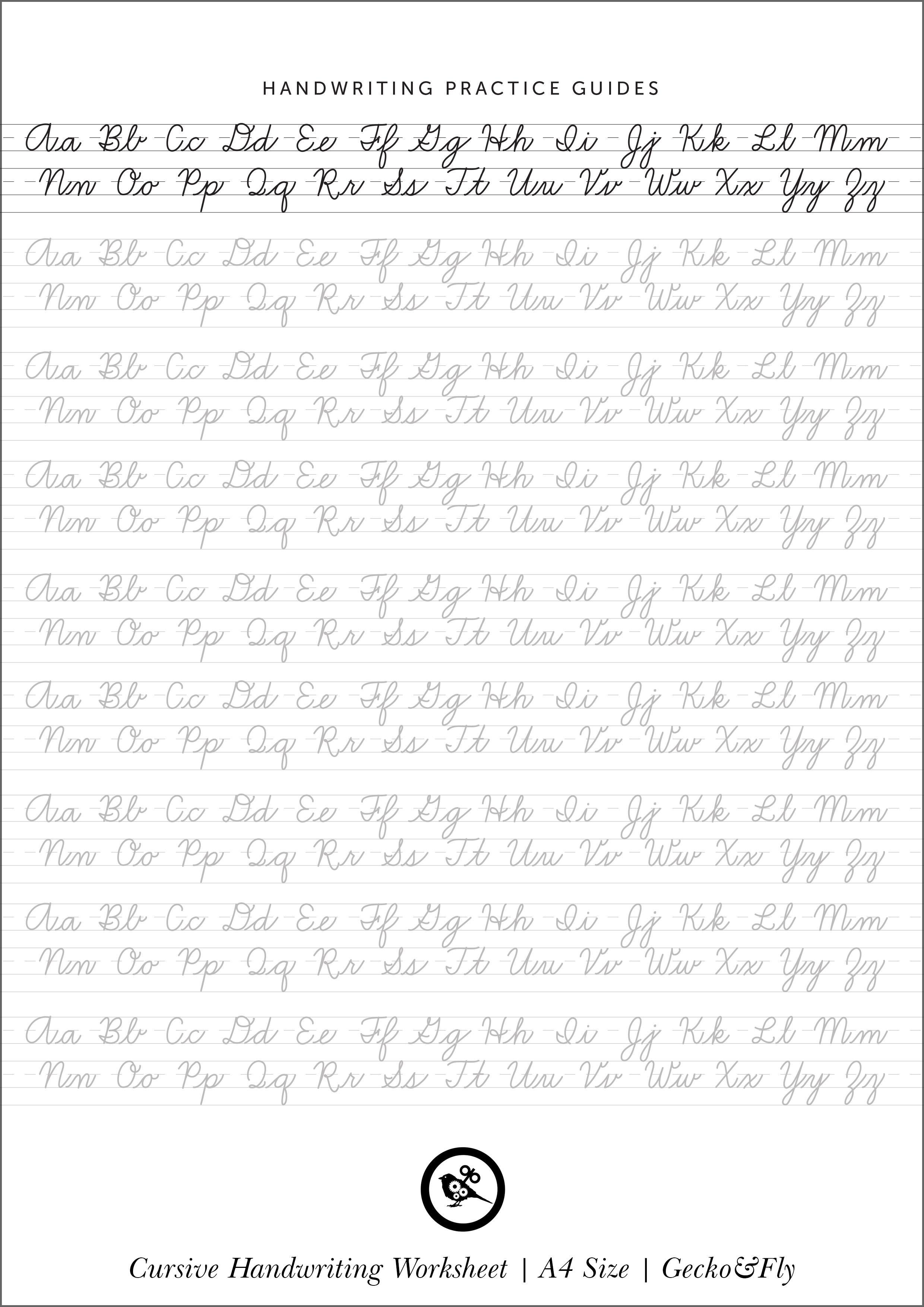
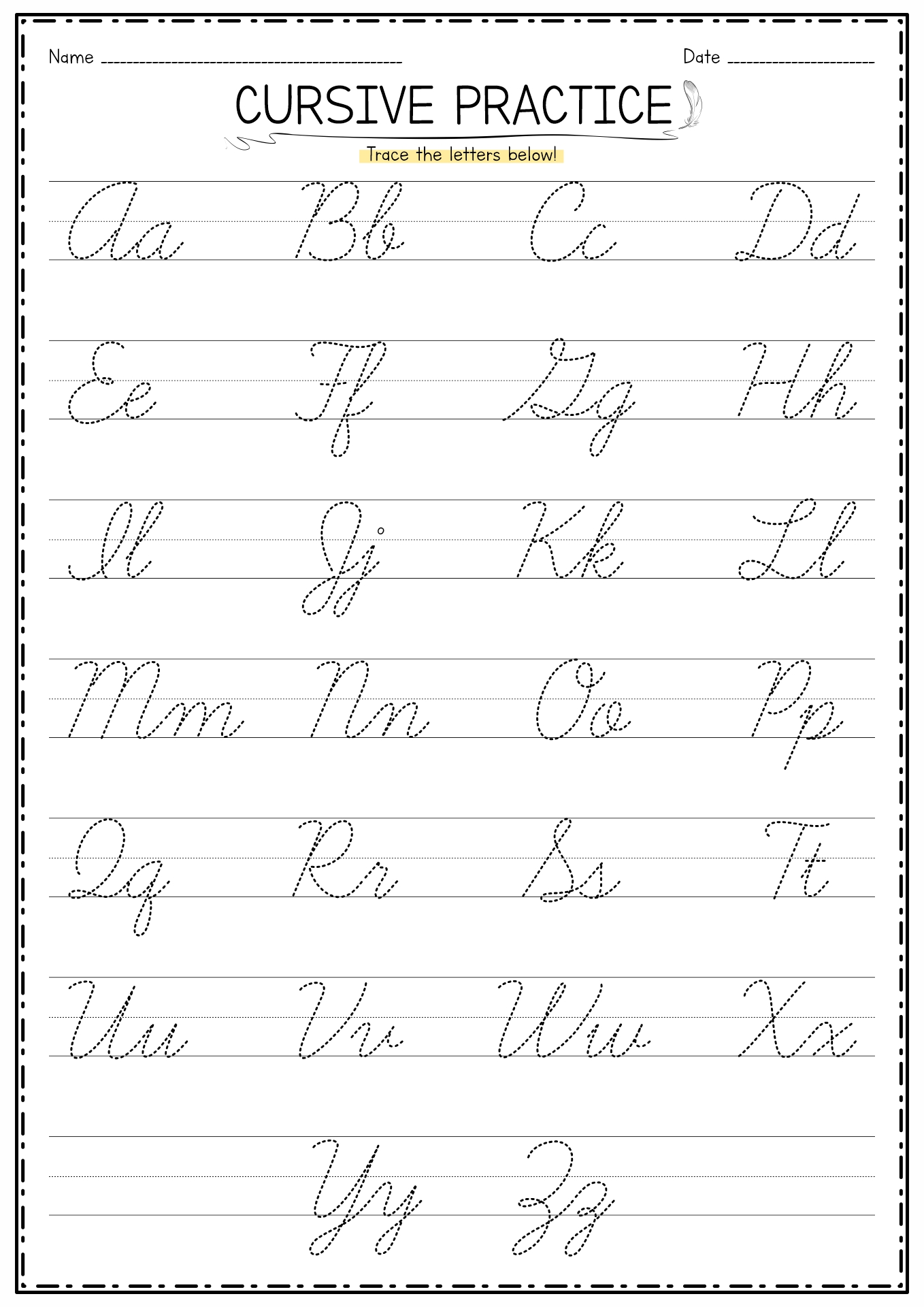
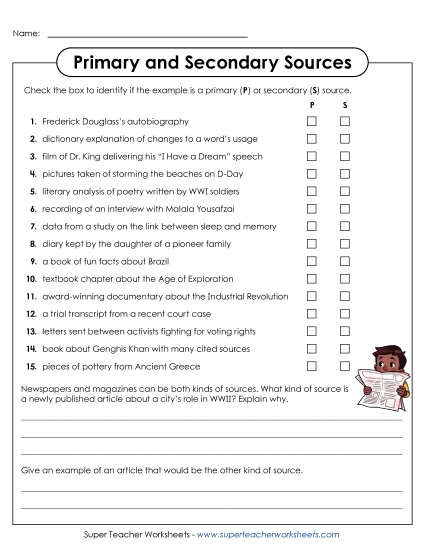
This versatile practice sheet systematically addresses core competencies by breaking complex subjects into manageable, sequential segments. Designed to accommodate various developmental stages, the content moves logically from guided recognition to independent application, ensuring learners build confidence alongside competence. Users engage with purposeful exercises that target specific deficits, making remediation straightforward and progress measurable. Beyond traditional school subjects, structured layouts extend into everyday organization, aligning closely with resources found within Administrative templates and broader Worksheet collections.
Key Learning Outcomes
Consistent interaction with a dedicated practice sheet fosters automaticity, allowing the mind to retrieve core facts and procedures without conscious hesitation. Furthermore, these exercises cultivate strong self-regulation habits as learners monitor their own progress, identify persistent errors, and apply corrective strategies independently. Critical thinking is enhanced when open-ended prompts require the application of learned rules to novel scenarios. Ultimately, mastery of these targeted skills lays a robust foundation for tackling more advanced concepts in both Academic pursuits and personal development frameworks.
Overview & Skill Breakdown
| Focus Area | Target Skill | Best Practice |
|---|---|---|
| Foundational Drill | Speed and accuracy | Time short intervals to build automatic recall. |
| Concept Application | Problem-solving logic | Encourage verbalization of steps before writing. |
| Review & Reflection | Error identification | Use distinct colored pens for self-correction. |
How to Use This Worksheet
Effective implementation requires a calm, distraction-free environment paired with the appropriate writing implements to ensure legibility and ease of completion. Educators and parents often integrate these printables into morning routines or transition periods to prime cognitive focus. When applied in professional settings, similar structured templates streamline task tracking and goal setting, echoing the principles found in Personal Growth exercises. The tactile nature of pen-and-paper engagement activates neural pathways distinct from digital screens, reinforcing memory consolidation.
Practical Tips for Success
Preparation involves reviewing the material beforehand to anticipate potential stumbling blocks and ensure the learner possesses the prerequisite knowledge. During execution, encourage a steady, unhurried pace that prioritizes accuracy over completion speed, thereby preventing the formation of careless habits. For extension, adapt completed sheets by having learners create their own similar problems or prompts for peers, transforming passive consumers into active creators of educational content.
Stage-Appropriate Recommendations
Beginners require simplified layouts with generous spacing, explicit visual cues, and minimal distractors to reduce cognitive strain during early skill acquisition. According to National Association for the Education of Young Children (NAEYC) guidelines, early learning resources must emphasize hands-on exploration and developmentally appropriate milestones, principles heavily reflected in specialized Early Learning materials. Advanced stages transition toward complex, multi-step problem solving, demanding higher levels of autonomous analysis and self-directed time management.
Structured practice sheets improve long-term information retention by up to 35% compared to digital-only review methods. — Journal of Educational Psychology
Frequently Asked Questions
Explore More Free Printable Resources
Enhance daily routines, lesson plans, and organizational systems by browsing the comprehensive library at Free Printable For You. Every resource is crafted to support continuous improvement and lifelong success.
Images References