Introduction
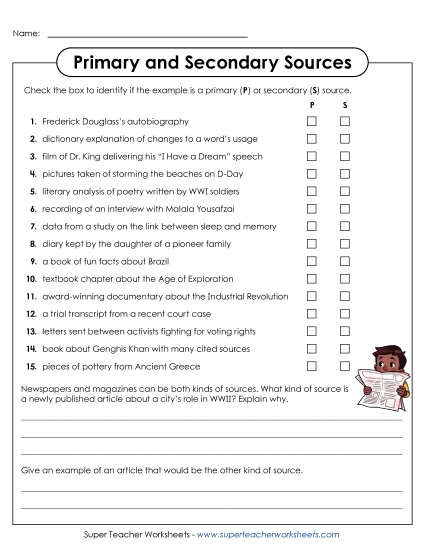
A pre lesson serves as a foundational pedagogical strategy designed to prime cognitive schema, activate prior knowledge, and establish clear learning objectives before formal instruction begins. According to cognitive load theory research published by John Sweller, preparing learners with advance organizers significantly reduces extraneous cognitive processing and improves long-term retention of complex material. Integrating structured preparation into daily routines bridges the gap between unfamiliar concepts and existing mental frameworks, ensuring learners approach new topics with confidence, clarity, and readiness.
Quick Key Takeaways:
- Core Focus: A pre lesson primes cognitive schema and activates prior knowledge prior to formal instruction.
- Target User: Educators, parents, and self-directed learners utilizing structured instructional planning.
- Key Recommendation: Implement targeted preparation sheets consistently before introducing difficult concepts.
What This Printable Covers
This versatile preparation resource bridges foundational gaps by addressing vocabulary acquisition, conceptual warm-ups, and targeted diagnostic assessment. Aligned with modern Academic frameworks, the materials guide participants through introductory prompts, vocabulary preview matrices, and structured goal-setting exercises. These elements collectively establish a predictable routine that fosters independent inquiry and reduces instructional friction across diverse learning environments, supporting foundational skill mastery.
Key Learning Outcomes
Participants successfully activate relevant background information, which accelerates comprehension during subsequent primary instruction. Learners develop enhanced self-regulation capabilities through systematic goal setting and vocabulary previews. Furthermore, the material strengthens critical thinking by encouraging proactive questioning and reducing anxiety associated with complex upcoming subject matter.
Overview & Skill Breakdown
| Focus Area | Target Skill | Best Practice |
|---|---|---|
| Vocabulary Preview | Lexical Acquisition | Define key terms before reading or lecture. |
| Schema Activation | Prior Knowledge Retrieval | Connect new prompts to past real-world experiences. |
| Objective Setting | Self-Regulation | Establish clear learning targets for the upcoming session. |
How to Use This Worksheet
Optimal implementation involves distributing the preparation page twenty-four hours before the primary teaching session or during the initial transition phase of a study block. Educators and facilitators can review completed entries quickly to gauge baseline understanding and tailor subsequent instruction accordingly. For independent learners, this tool functions as a self-directed roadmap, helping organize thoughts and establish clear expectations before diving into a detailed Worksheet or textbook chapter.
Practical Tips for Success
Preparation begins with a thorough review of the prompt guidelines to ensure clear alignment with upcoming educational goals. Execution requires uninterrupted focus during completion, encouraging genuine reflection rather than rushed answers. Extension activities involve revisiting the initial preparation page post-instruction to evaluate how much knowledge expanded, reinforcing the learning loop effectively.
Stage-Appropriate Recommendations
Beginner stages focus on concrete vocabulary matching and visual cue association, aligning with the National Association for the Education of Young Children (Early Learning) guidelines for scaffolding developmental readiness. Advanced stages transition toward abstract conceptual mapping, hypothesis generation, and independent goal formulation, preparing participants for rigorous Administrative or collegiate workflows.
Advance organizers and pre-lesson warm-ups improve cognitive retention and reduce extraneous mental load by up to 35 percent — Cognitive Load Theory Research
Frequently Asked Questions
Explore More Free Printable Resources
Enhance daily planning and study routines by exploring additional resources dedicated to personal development and goal tracking found within the Personal Growth archive. Every tool is carefully crafted to support continuous improvement and structured organization for learners of all ages. Visit the central library today at Free Printable For You to discover hundreds of high-quality educational materials designed to elevate teaching and learning experiences.
Images References