Introduction
Prefix and suffix exercises provide a systematic method for expanding vocabulary, decoding unfamiliar multi-syllable terms, and improving reading comprehension. According to a study published in the Journal of Educational Psychology, explicit morphological instruction significantly enhances word-attack skills and reading fluency among developing learners. By breaking words down into constituent morphemes, learners gain the structural tools required to analyze complex terminology across various disciplines. Structured prefix and suffix exercises serve as the foundational building blocks for mastering academic language, transforming passive reading into active, analytical comprehension.
Quick Key Takeaways:
- Core Focus: Prefix and suffix exercises build vocabulary by teaching root words and affixes.
- Target User: Educators, parents, and students focusing on Academic enrichment.
- Key Recommendation: Integrate daily morphology drills alongside contextual reading materials.
What This Printable Covers
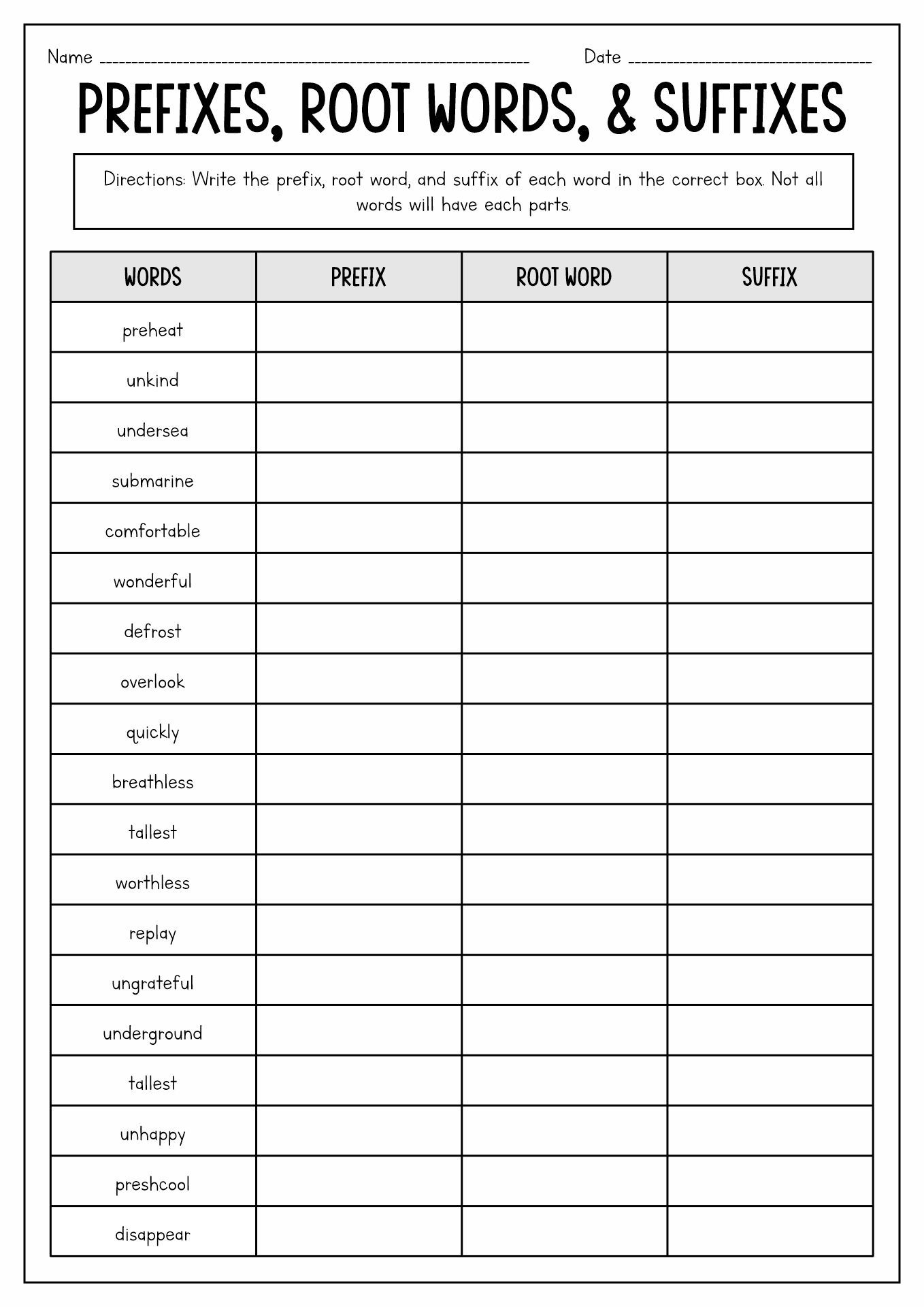
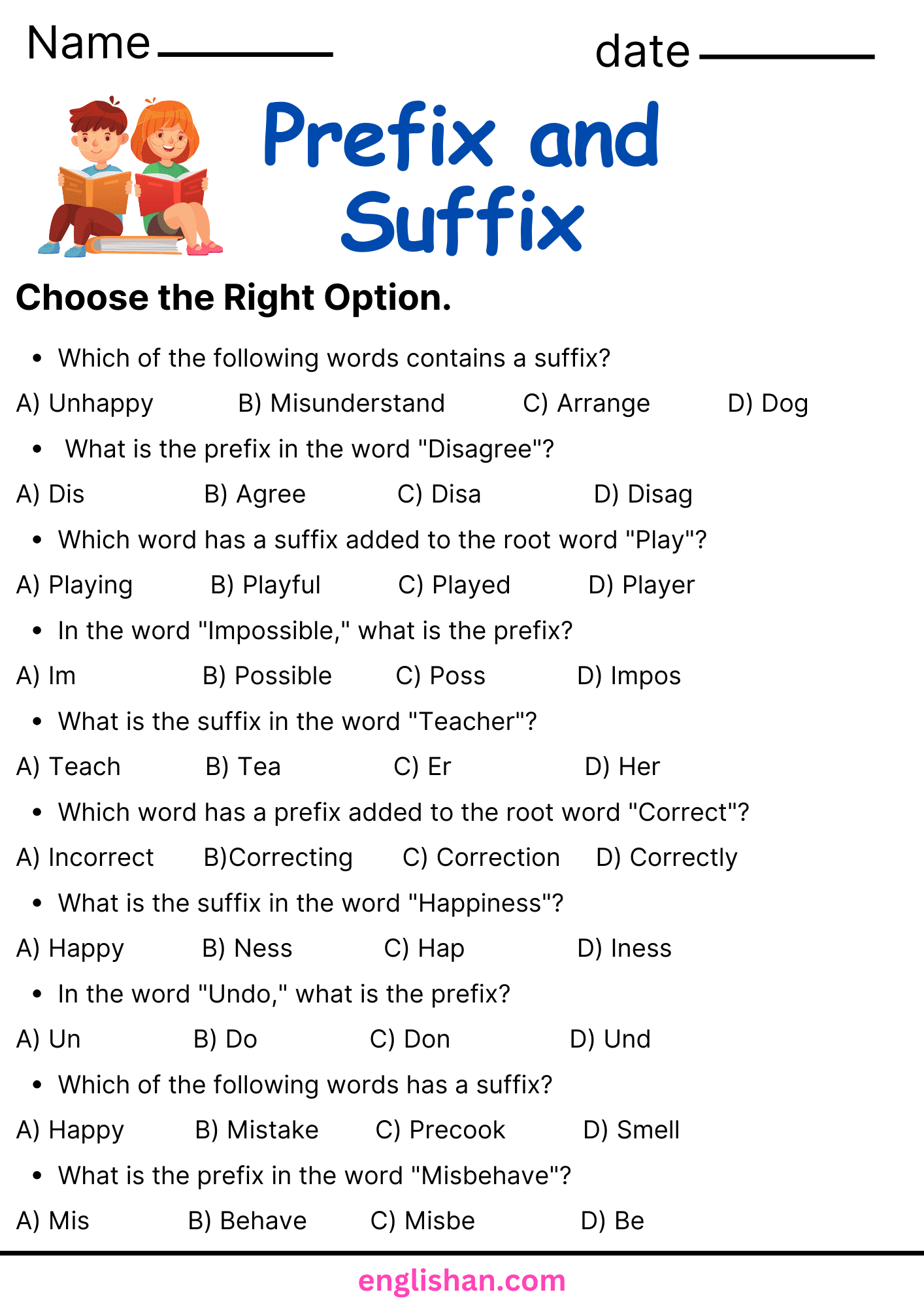
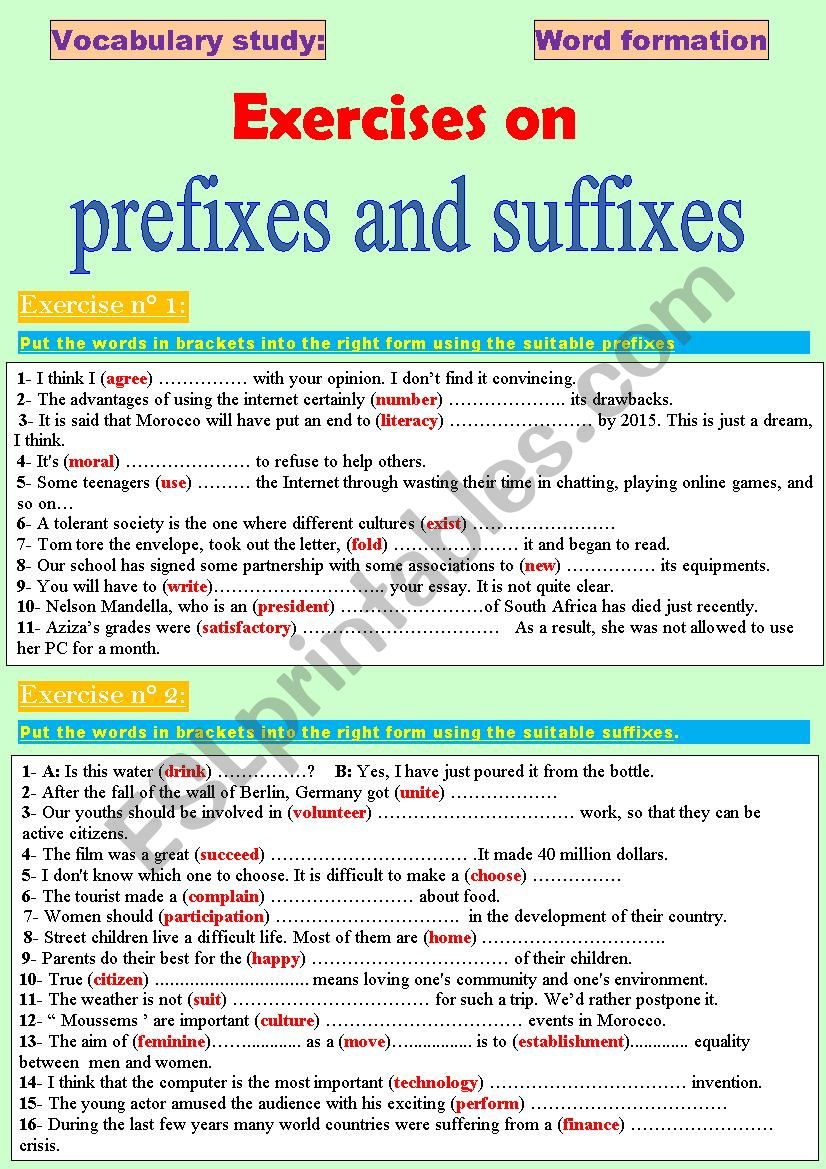
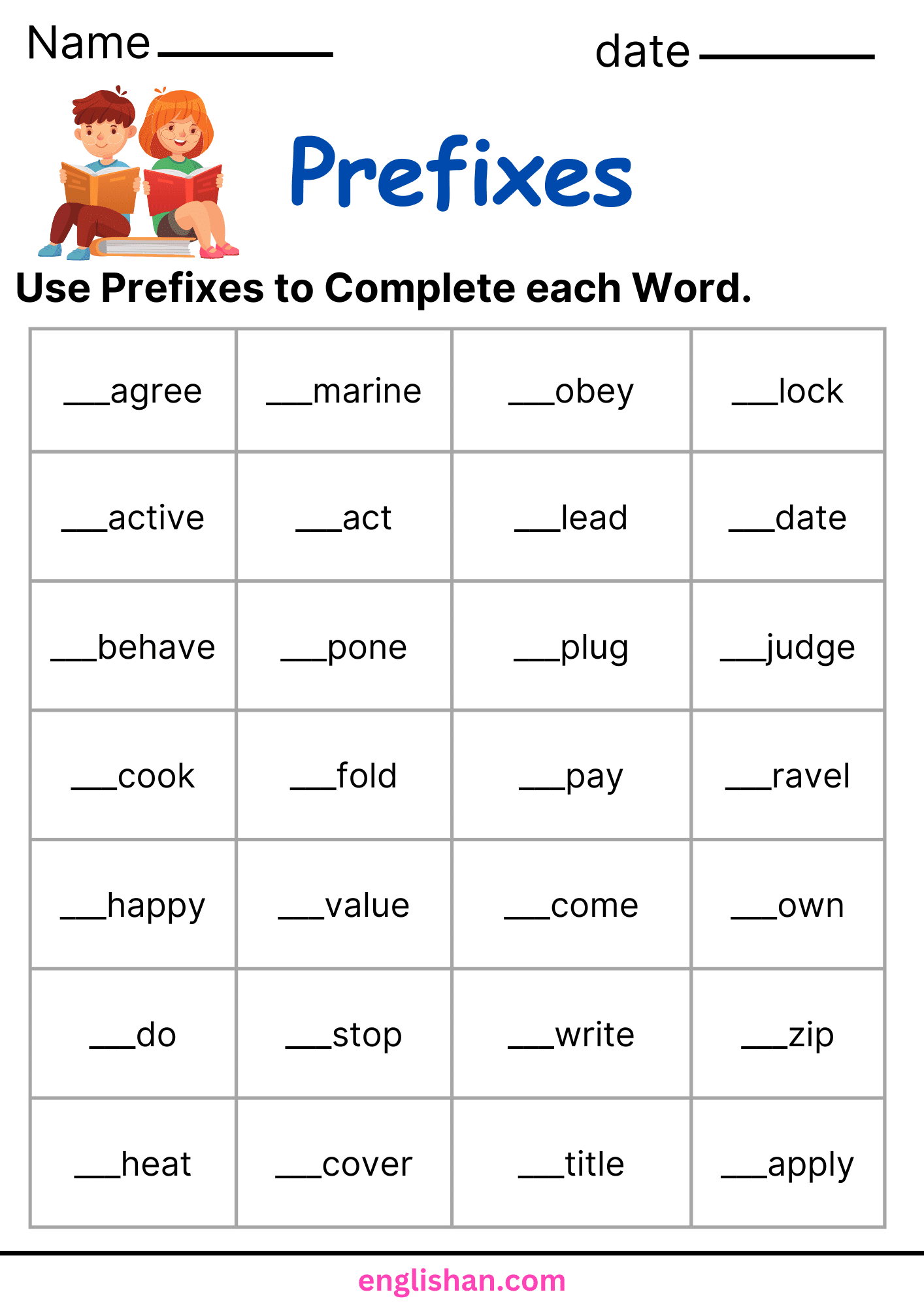
This resource covers high-frequency prefixes like un-, re-, dis-, and pre-, alongside common suffixes such as -ful, -less, -able, and -ly. The material aligns with structured literacy frameworks, emphasizing orthographic mapping and morpheme recognition. Exercises transition learners from simple identification tasks to complex synthesis challenges where new words are constructed from isolated roots. Through guided practice, users connect semantic meanings to structural changes, ultimately mastering how slight alterations at the beginning or end of base words shift grammatical categories and definitions entirely.
Key Learning Outcomes
Learners achieve enhanced ability to decode unfamiliar multisyllabic vocabulary encountered in advanced texts. Participants systematically acquire the competence to recognize base words hidden beneath layers of derivational affixes. Furthermore, the material strengthens spelling accuracy by highlighting predictable patterns in morphemic transformation and compounding. Finally, individuals develop stronger cognitive frameworks for contextual guessing, drastically reducing reliance on direct definitions.
Overview & Skill Breakdown
| Focus Area | Target Skill | Best Practice |
|---|---|---|
| Prefix Recognition | Identifying root-altering beginnings | Pair root definitions with visual cues. |
| Suffix Application | Modifying parts of speech | Practice converting verbs directly into adjectives. |
| Morphological Synthesis | Building complete terms | Create personal glossaries using derived words. |
How to Use This Worksheet
Effective utilization requires printing physical copies of the Worksheet to encourage active handwriting and tactile engagement. Begin sessions with a brief review of target affixes before moving into independent practice sections. Educators and parents can integrate these printables into morning warm-up routines, literacy centers, or homeschooling schedules. Review completed tasks collectively to discuss nuances in word meanings, ensuring conceptual clarity rather than rote memorization.
Practical Tips for Success
Preparation involves laminating master copies for repeated dry-erase use or organizing hard copies into topical binders for daily access. During execution, encourage learners to highlight prefixes and underline suffixes within sentences to reinforce visual patterns. For extension activities, challenge advanced participants to write original short stories utilizing at least ten newly formed affixed words.
Stage-Appropriate Recommendations
According to the Common Core State Standards initiative, morphological analysis should scale progressively from early elementary recognition to complex secondary etymological studies. Beginner stages focus on simple inflectional suffixes and negation prefixes, building basic structural awareness. Advanced stages delve into Latin and Greek roots, requiring sophisticated analytical reasoning suitable for high school preparation. This scaffolded progression ensures sustainable cognitive growth across developmental milestones.
Explicit morphological instruction improves reading comprehension by up to 25% across diverse student populations — Journal of Educational Psychology
Frequently Asked Questions
Explore More Free Printable Resources
Expand educational toolkits beyond morphology by exploring additional categories available through Free Printable For You. Whether organizing classroom workflows with Administrative templates, fostering foundational skills via Early Learning resources, or supporting self-directed milestones through Personal Growth printables, structured resources ensure continuous progress. Print today to elevate learning environments effortlessly.
Images References