Introduction
Printed materials in teaching serve as foundational assets that bridge abstract concepts and cognitive retention through tangible interaction. According to a study published by the Journal of Educational Psychology, tactile engagement with physical text and structured layouts significantly enhances reading comprehension and long-term memory retrieval compared to screen-based alternatives. Grounded in cognitive load theory, physical handouts minimize digital distractions and focus attention directly on core educational objectives. Consequently, structured printed materials in teaching remain essential instruments for educators, parents, and learners seeking to optimize information processing, foundational skill development, and structured organizational workflows across diverse learning environments.
Quick Key Takeaways:
- Core Focus: Tangible learning aids and structured documentation that reinforce educational objectives.
- Target User: Educators, parents, and lifelong learners in formal and home settings.
- Key Recommendation: Pair physical handouts with active annotation strategies to maximize cognitive engagement.
What This Printable Covers
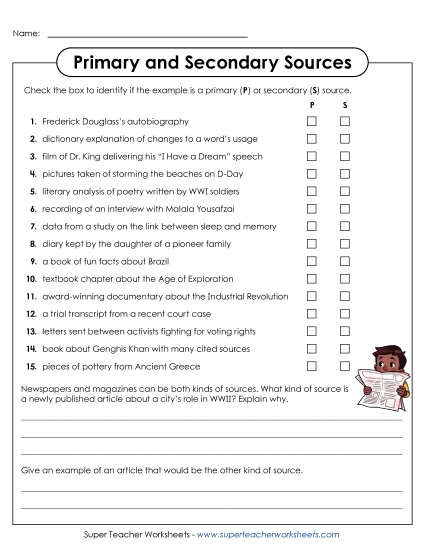
The implementation of physical educational layouts directly addresses diverse learning styles by offering structured pathways for knowledge acquisition. These resources align closely with modern pedagogical strategies found within the Academic sector, ensuring that foundational literacy, numeracy, and critical thinking concepts are thoroughly reinforced. Furthermore, users often integrate structured layouts from the Worksheet collection to target specific skill gaps through repetitive practice, guided inquiry, and measurable formative assessment.
Key Learning Outcomes
Learners engaging with physical pedagogical aids consistently demonstrate measurable improvements in targeted competencies. Primary outcomes include enhanced spatial reasoning through handwriting and diagramming, accelerated information retention facilitated by tactile interaction, and strengthened self-regulation via independent pacing. Additionally, structured physical documentation fosters methodical problem-solving habits that translate seamlessly into advanced academic and professional environments.
Overview & Skill Breakdown
| Focus Area | Target Skill | Best Practice |
|---|---|---|
| Foundational Literacy | Decoding and Reading Comprehension | Incorporate margin notes and active underlining during initial review. |
| Quantitative Reasoning | Step-by-Step Problem Solving | Require manual calculation work before verifying answers via digital tools. |
| Executive Functioning | Information Organization | Utilize color-coding systems to categorize distinct subject themes. |
How to Use This Worksheet
Effective deployment of physical instructional aids requires a deliberate approach that integrates preparation, active execution, and subsequent review. Educators and parents begin by selecting layouts that match the specific developmental stage of the learner, ensuring an optimal balance between challenge and accessibility. Introducing the material with a brief contextual overview primes the cognitive framework for upcoming tasks, allowing learners to approach physical handouts with clear objectives and structured expectations.
Practical Tips for Success
Preparation involves organizing physical supplies, such as highlighters, rulers, and designated binders, to establish a distraction-free workspace. During execution, encourage learners to articulate their reasoning aloud as they complete manual writing or diagramming tasks, which solidifies neural pathways associated with the topic. For extension, educators can introduce open-ended prompt variations on the reverse side of the paper, challenging advanced learners to synthesize the core concepts into real-world applications or independent research mini-projects.
Stage-Appropriate Recommendations
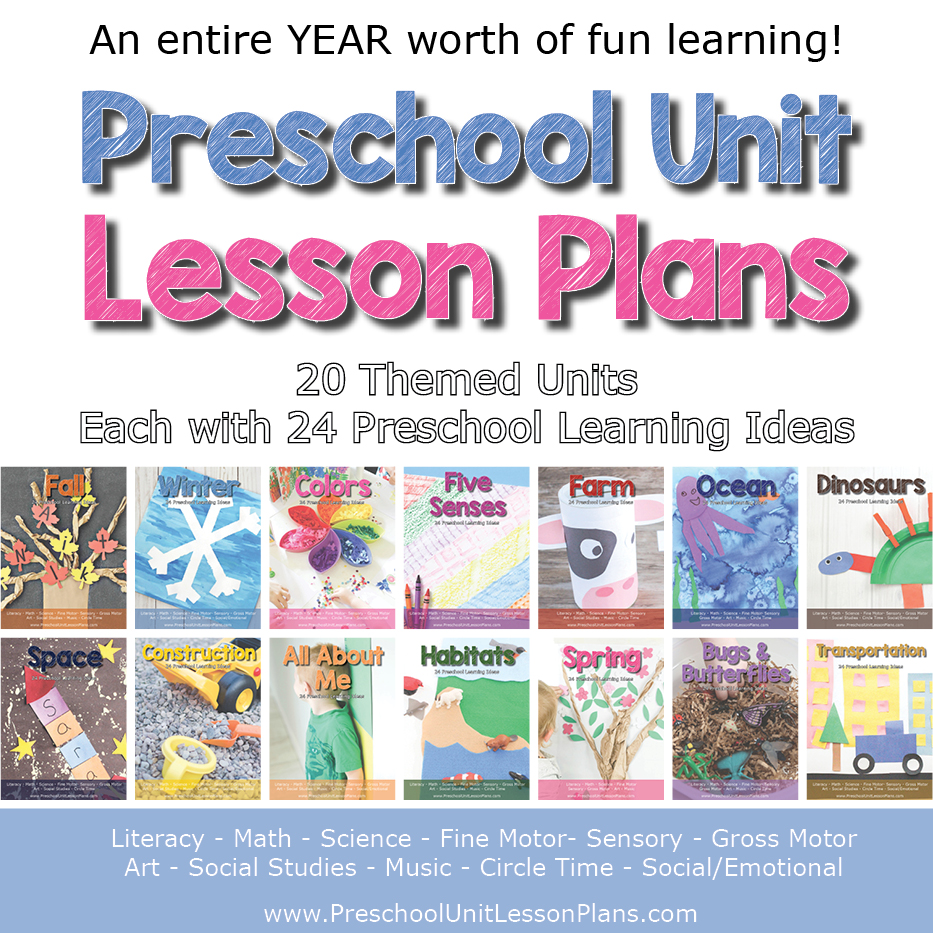
Different developmental milestones demand customized applications of printed materials in teaching. According to the National Association for the Education of Young Children (NAEYC) standards, early learners benefit most from large-format, tactile layouts that promote fine motor coordination alongside basic cognitive recognition. Conversely, advanced learners require complex, analytical frameworks that encourage critical evaluation and synthesis. Early Learning resources cater specifically to foundational developmental stages, while older cohorts transition toward sophisticated self-directed study methods.
Tactile engagement with structured physical text improves comprehension and long-term memory retrieval — Journal of Educational Psychology
Frequently Asked Questions
Explore More Free Printable Resources
Enhancing educational environments with reliable physical tools transforms abstract concepts into tangible achievements. Discover a comprehensive collection of structured aids by visiting the complete library at Free Printable For You to support every stage of the learning journey.
Images References