Introduction
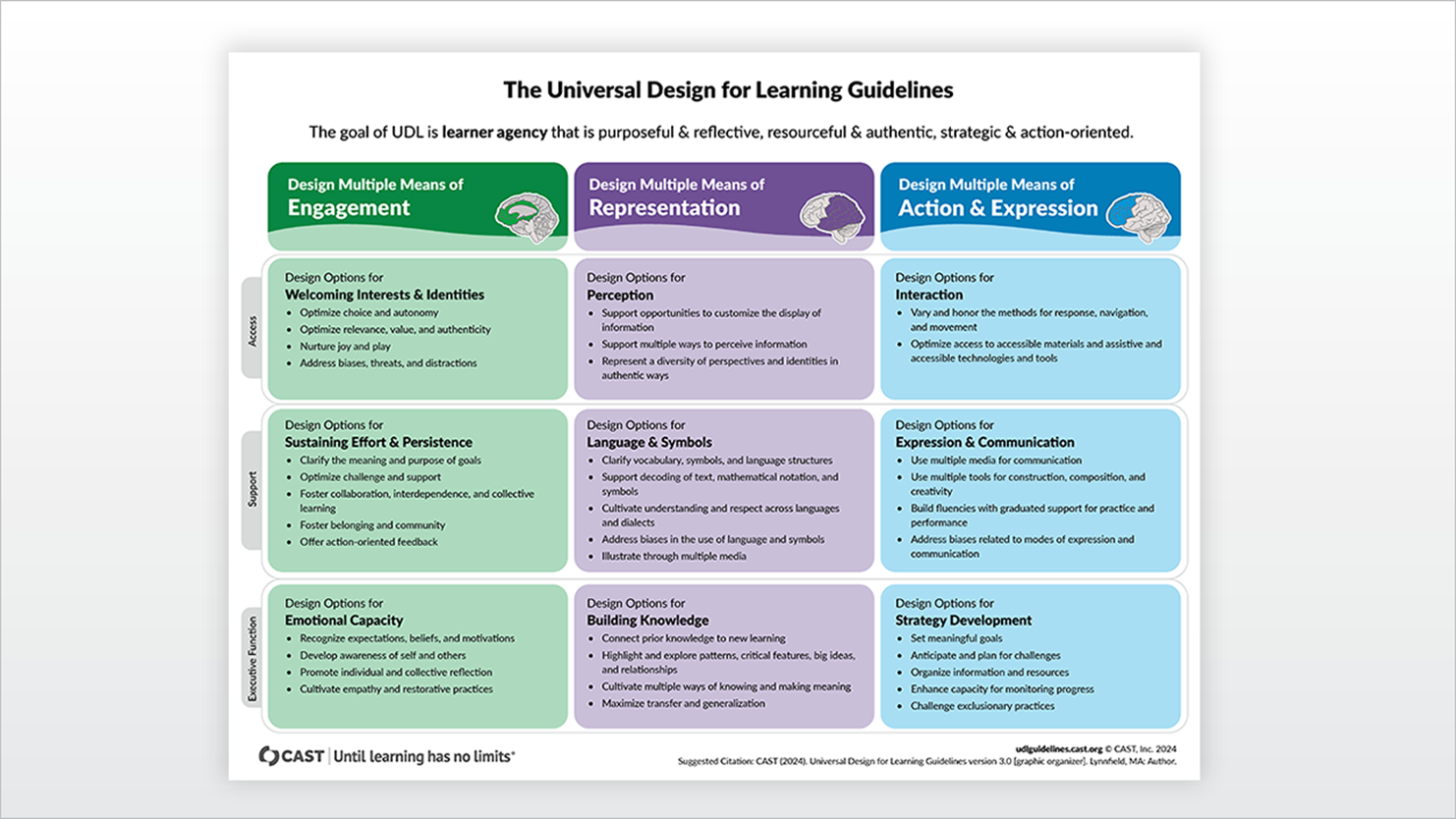
Universal Design for Learning (UDL) resources for teachers provide structured frameworks to accommodate diverse student needs by offering multiple means of engagement, representation, and expression. According to the National Center on Universal Design for Learning, classrooms utilizing structured UDL methodologies show a measurable increase in student task completion and concept retention. Integrating these adaptable tools into daily planning ensures that instruction removes barriers before learning begins, supporting equitable access across all student populations. Accessing well-designed materials helps educators seamlessly transition theory into actionable classroom strategies.
Quick Key Takeaways:
- Core Focus: UDL resources for teachers provide flexible frameworks, templates, and instructional tools designed to remove learning barriers and support diverse student needs.
- Target User: Classroom educators, special education specialists, and instructional designers seeking structured differentiation materials.
- Key Recommendation: Implement flexible assessment rubrics alongside visual graphic organizers to address varied learner profiles simultaneously.
What This Printable Covers
The implementation of UDL resources for teachers centers on building adaptable learning pathways that cater to visual, auditory, and kinesthetic learners alike. These resources align closely with core competencies found within standard Academic frameworks, ensuring that instructional content meets rigorous benchmarks without sacrificing accessibility. Materials typically include modular lesson planning templates, leveled reading guides, and multimodal reflection sheets that prompt learners to demonstrate knowledge through writing, speaking, or digital creation.
Key Learning Outcomes
Educators utilizing these structured printables foster critical thinking by offering tiered choices for complex assignments. Students learn to self-assess their progress using clear, universally accessible rubrics that outline multiple routes to success. Additionally, these tools strengthen executive functioning skills through visual schedules and step-by-step task analysis charts. Ultimately, learners develop greater autonomy and metacognitive awareness as they select the expression formats that best showcase their understanding.
Overview & Skill Breakdown
| Focus Area | Target Skill | Best Practice |
|---|---|---|
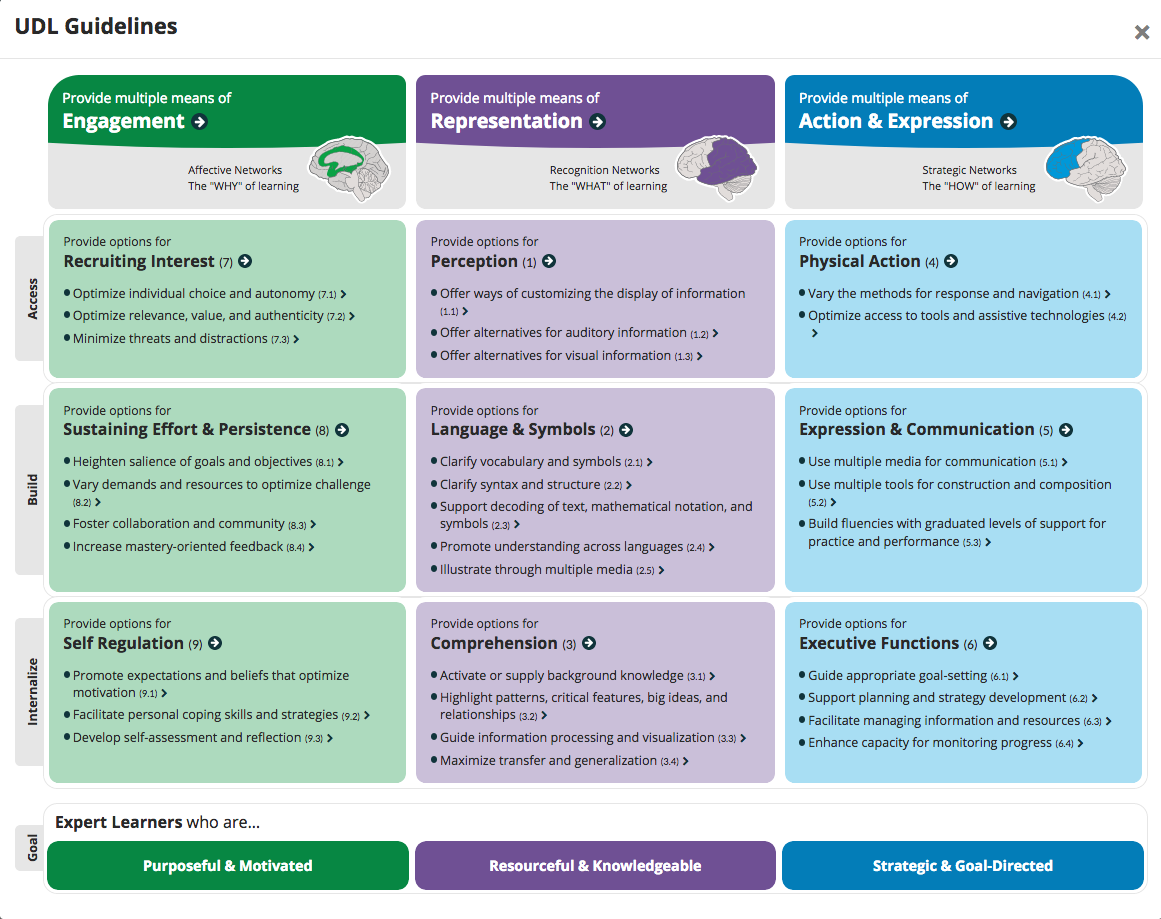
| Engagement | Self-Regulation | Use choice boards to empower learner autonomy and motivation. |
| Representation | Comprehension | Pair text-heavy instructions with graphic organizers or visual symbols. |
| Action & Expression | Executive Functioning | Provide modular templates that allow varied output formats. |
How to Use This Worksheet
Effective deployment of UDL resources for teachers requires careful integration into both daily lesson planning and ongoing Administrative tracking systems. Educators can print these templates to map out weekly differentiation strategies, ensuring that every student profile is addressed prior to instruction. During lessons, distribute customized graphic organizers or choice menus to allow learners to engage with the material at their optimal challenge level. For developmental foundations, educators often combine these with tools found in Early Learning collections to build essential foundational habits.
Practical Tips for Success
Preparation involves reviewing upcoming curriculum units to identify potential accessibility roadblocks for students with varied learning profiles. During execution, introduce options gradually, allowing learners to experiment with different formats until they identify their preferred expression method. For extension, encourage advanced students to use open-ended templates for self-directed inquiry projects, while providing structured scaffolding for learners requiring additional support.
Stage-Appropriate Recommendations
For novice educators or introductory grade levels, implementation should focus on foundational visual supports and simple choice menus. As instructional environments advance, teachers can transition toward complex, multifaceted project-planning sheets and digital-hybrid trackers. According to the Universal Design for Learning Guidelines established by CAST, progressive differentiation must balance high expectations with flexible scaffolding to maximize cognitive growth. This tiered approach mirrors the developmental progressions outlined in Personal Growth frameworks, ensuring lifelong adaptability.
Classrooms utilizing structured UDL methodologies show a measurable increase in student task completion and concept retention. — National Center on Universal Design for Learning
Frequently Asked Questions
- How do I download these printables? Click the download button on any resource page to instantly save the high-resolution PDF file for immediate classroom printing.
- What is the practical benefit of these tools? They save instructional planning time while directly reducing learning barriers for diverse student populations.
- What trusted framework supports this design? These materials are built upon the universally recognized CAST Universal Design for Learning (UDL) guidelines.
Explore More Free Printable Resources
Expanding an instructional toolkit becomes effortless when utilizing a centralized collection of adaptable educational materials. Browse the complete library of differentiated organizers, planning sheets, and targeted exercises available at Free Printable For You to discover additional options like specialized Worksheet designs tailored for every learning environment. Print today and enhance accessibility in every lesson.
Images References