Introduction
ABC education resources provide foundational frameworks that systematically enhance foundational literacy, phonetic awareness, and structured cognitive development across diverse learning environments. According to the National Institute of Child Health and Human Development, explicit instruction in alphabet recognition and phonemic awareness accelerates early reading proficiency by establishing vital neural pathways for decoding text. Integrating high-quality printables into daily instruction bridges the gap between abstract linguistic concepts and tangible skill mastery. These materials offer standardized structures that support systematic instruction, ensuring that learners achieve critical developmental milestones efficiently and with high comprehension rates.
Quick Key Takeaways:
- Core Focus: Systematic alphabet acquisition and foundational literacy skill development through targeted printable tools.
- Target User: Early childhood educators, parents, and developmental specialists operating in home or school settings.
- Key Recommendation: Pair visual letter recognition exercises with multi-sensory tracing activities to reinforce neuromuscular retention.
What This Printable Covers
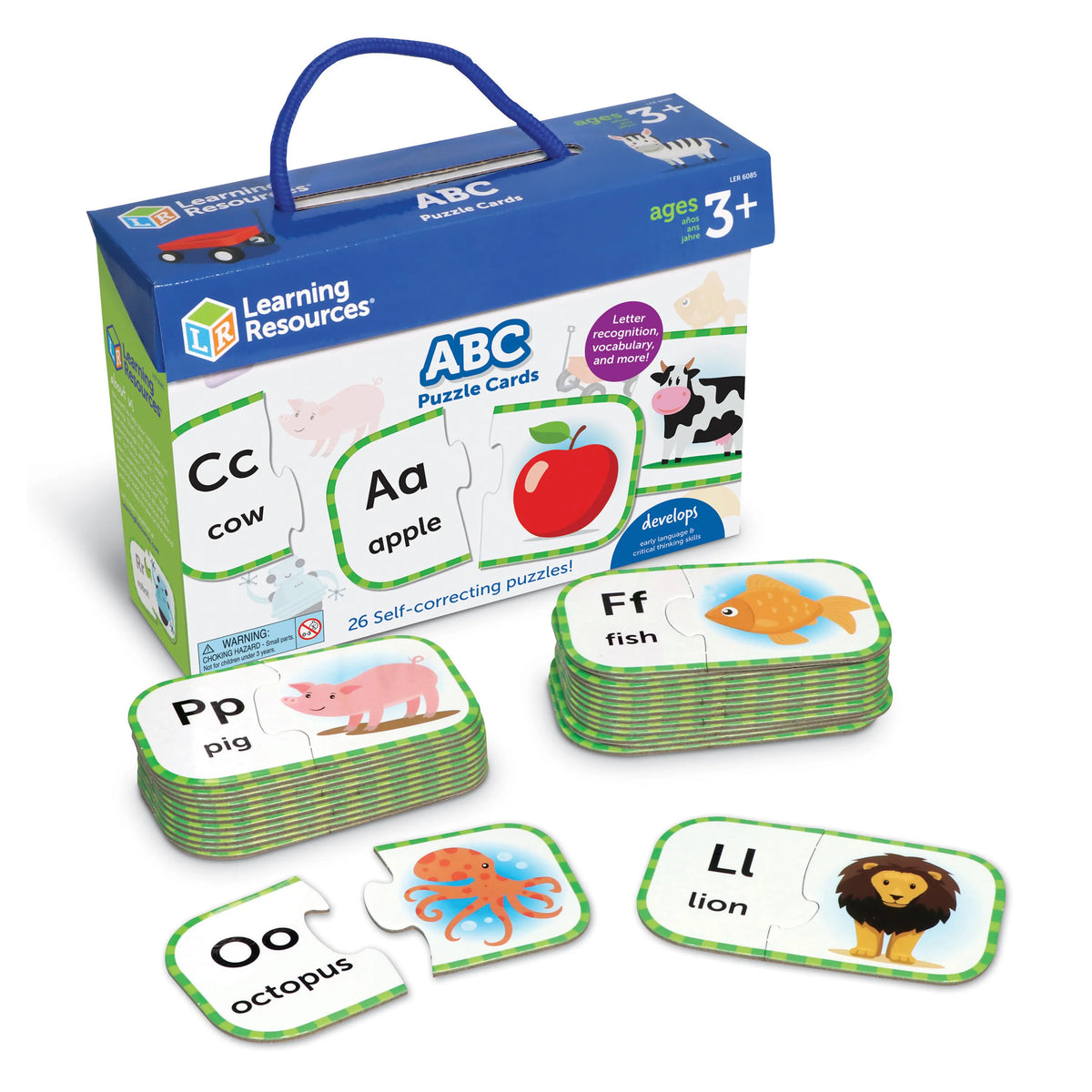
ABC education resources encompass a comprehensive spectrum of letter-sound correspondence, uppercase and lowercase identification, and sequence mastery. Aligned with the National Association for the Education of Young Children (NAEYC) standards for developmentally appropriate practice, these materials address the multifaceted nature of early language acquisition. Learners interact with structured alphabet grids, matching exercises, and guided handwriting paths that transition smoothly from visual recognition to independent production. Furthermore, these printables integrate seamlessly with broader curricula found within Early Learning pathways, ensuring consistency between home reinforcement and formal classroom instruction.
Key Learning Outcomes
Targeted engagement with structured alphabet materials produces measurable improvements in letter identification speed, phonemic segmentation, and pencil grip mechanics. Learners systematically develop visual discrimination capabilities, allowing them to differentiate between easily confused graphemes such as lowercase ‘b’ and ‘d’. Additionally, repeated tracing and writing exercises build fine motor control and spatial awareness on the page. Ultimately, consistent practice cultivates early reading readiness and fosters autonomous confidence in young learners navigating written language.
Overview & Skill Breakdown
| Focus Area | Target Skill | Best Practice |
|---|---|---|
| Visual Recognition | Differentiating uppercase and lowercase forms | Use matching games before writing tasks. |
| Phonemic Awareness | Connecting letter symbols to initial sounds | Say the phonetic sound aloud during tracing. |
| Motor Control | Proper stroke sequence and line placement | Utilize guided dotted lines for daily practice. |
How to Use This Worksheet
Effective implementation of these printables requires a balanced approach combining direct instruction, independent exploration, and constructive feedback. Educators and parents can integrate these materials into morning work routines, literacy centers, or dedicated homeschool sessions. To maximize retention, print the sheets on durable cardstock or insert them into reusable dry-erase sleeves for repeated handwriting drills. Connecting these printable exercises with hands-on manipulatives, such as tactile letter blocks or playdough modeling, reinforces abstract concepts through tangible sensory experiences.
Practical Tips for Success
Preparation involves organizing materials by specific letter clusters rather than presenting the entire alphabet simultaneously, which prevents cognitive overload. During execution, encourage vocalization of the targeted letter sound concurrently with the physical writing motion to strengthen audio-visual neural integration. Extension activities should involve hunting for target letters in everyday environmental print, such as grocery lists or storybooks, to bridge structured worksheet practice with real-world literacy contexts. Exploring additional Worksheet categories provides complementary exercises for continuous skill reinforcement.
Stage-Appropriate Recommendations
For beginner stages, focus primarily on sensory-rich identification, large-format tracing, and auditory matching, aligning with standard NAEYC guidelines for early childhood literacy. As learners progress to intermediate and advanced stages, transition toward independent letter formation, cursive introduction, and spelling integration. According to NAEYC developmental guidelines, tailoring task complexity to the individual’s fine motor and cognitive readiness ensures sustained engagement and prevents frustration during foundational skill acquisition.
Explicit instruction in alphabet recognition and phonemic awareness accelerates early reading proficiency by establishing vital neural pathways — National Institute of Child Health and Human Development
Frequently Asked Questions
Explore More Free Printable Resources
Expanding a child’s foundational toolkit extends far beyond alphabet mastery into comprehensive skill development. For additional organizational frameworks and professional documents, browse the Administrative collection. Furthermore, individuals seeking personal enhancement can explore the Personal Growth section. Discover the complete catalog of high-quality educational materials by visiting Free Printable For You today.
Images References