Introduction
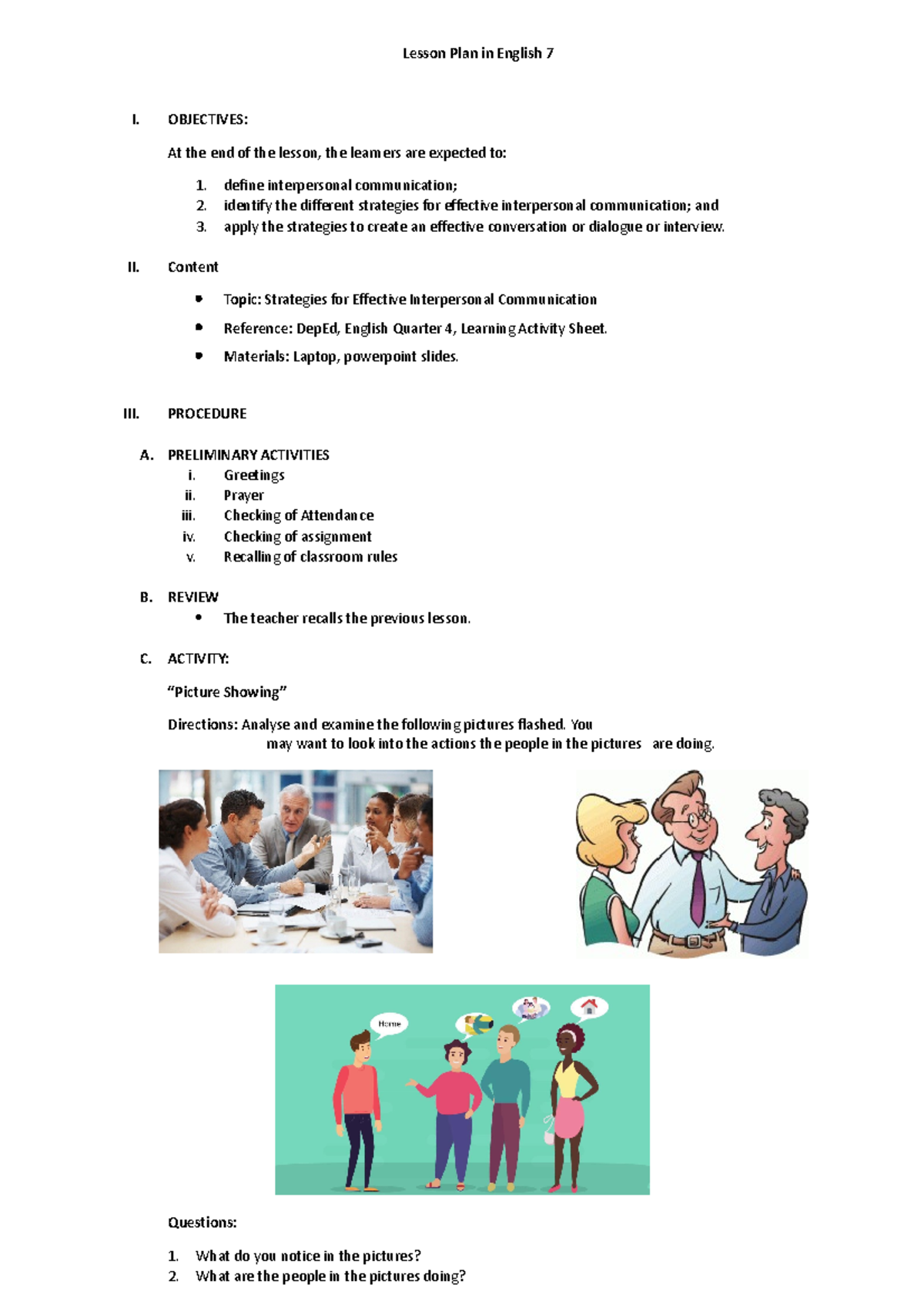
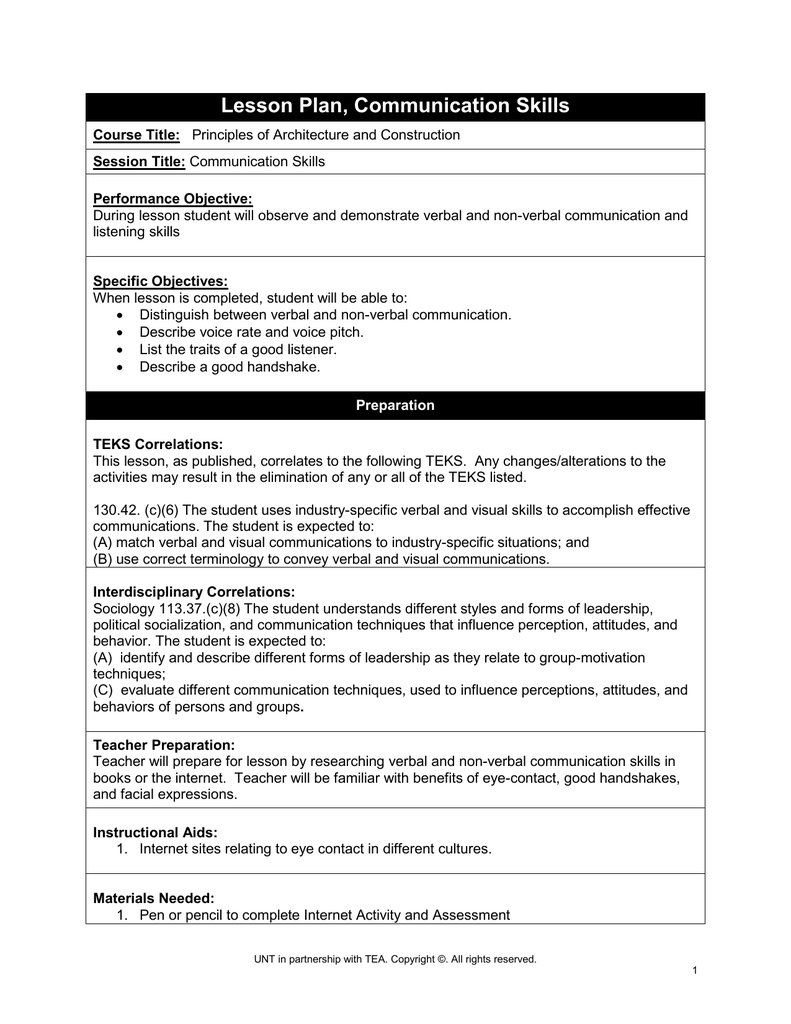
A structured communication lesson provides foundational frameworks for expressing ideas clearly, resolving conflicts, and interpreting non-verbal cues across academic and professional settings. According to the National Communication Association, intentional instruction in verbal and written exchange significantly improves collaborative problem-solving capabilities among learners of all ages. Utilizing targeted instructional materials ensures that abstract concepts like active listening and assertive messaging translate into tangible daily habits. Integrating systematic exercises into a curriculum supports both Academic advancement and lifelong interpersonal development.
Quick Key Takeaways:
- Core Focus: A communication lesson establishes clear frameworks for verbal, written, and non-verbal expression.
- Target User: Educators, administrators, and parents guiding learners through structured interpersonal skill-building.
- Key Recommendation: Pair structured exercises with reflective dialogue to reinforce practical application.
What This Printable Covers
This resource delivers a comprehensive curriculum designed to decode complex social interactions and elevate message clarity. The material bridges the gap between theoretical communication models and everyday execution by offering guided prompts, scenario analyses, and structured reflection logs. Learners systematically explore the nuances of tone, audience adaptation, and feedback reception. These exercises align with broader competencies often reinforced through targeted Early Learning initiatives and advanced professional tracks.
Key Learning Outcomes
Participants master the art of framing constructive feedback without triggering defensive reactions in peers or colleagues. The curriculum strengthens active listening proficiency through structured exercises that require summarizing alternate viewpoints accurately before formulating a response. Additionally, learners acquire techniques for structuring persuasive arguments and professional requests efficiently, reducing misunderstandings in both Administrative environments and academic classrooms. Finally, self-assessment matrices allow individuals to monitor personal growth in clarity, empathy, and emotional regulation.
Overview & Skill Breakdown
| Focus Area | Target Skill | Best Practice |
|---|---|---|
| Active Listening | Paraphrasing and validation | Repeat core messages before replying |
| Assertive Expression | “I” statements | Focus on observable behaviors rather than traits |
| Non-Verbal Cues | Posture and eye contact alignment | Match physical stance with verbal intent |
How to Use This Worksheet
Implementation begins with reviewing the scenario prompts independently or within a guided group setting to establish a baseline understanding of current habits. Educators and facilitators can distribute the material as a standalone warmup activity or integrate it into a multi-week interpersonal development module. Pairing the main exercises with a complementary Worksheet expands the depth of practice, offering additional space for iterative drafting and behavioral tracking.
Practical Tips for Success
Preparation involves reading through the provided dialogue scenarios in advance to anticipate potential friction points during group discussions. Execution is most effective when facilitators establish ground rules for psychological safety, ensuring participants feel secure sharing authentic communication challenges. For extension, learners should apply the frameworks practiced on the page to real-world interactions outside the instructional space, documenting their observations in a journal to review during subsequent sessions.
Stage-Appropriate Recommendations
Beginner implementations focus on foundational turn-taking, basic emotional vocabulary, and recognizing simple facial expressions, aligning closely with developmental milestones outlined by the National Association for the Education of Young Children (NAEYC). Advanced tracks elevate the complexity by introducing crisis communication, negotiation strategies, and cross-cultural discourse frameworks. According to the American Psychological Association, structured practice in emotional articulation during formative years directly correlates with higher resilience in adult professional environments. This progression ensures seamless integration into Personal Growth plans.
Structured practice in emotional articulation during formative years directly correlates with higher resilience in adult professional environments. — American Psychological Association
Frequently Asked Questions
Explore More Free Printable Resources
Enhance daily learning environments by accessing a comprehensive collection of supplementary tools designed to support organizational efficiency and skill mastery. Visit the central library at Free Printable For You to browse thousands of expertly crafted materials tailored for educators, parents, and ambitious learners. Download free today.
Images References