Introduction
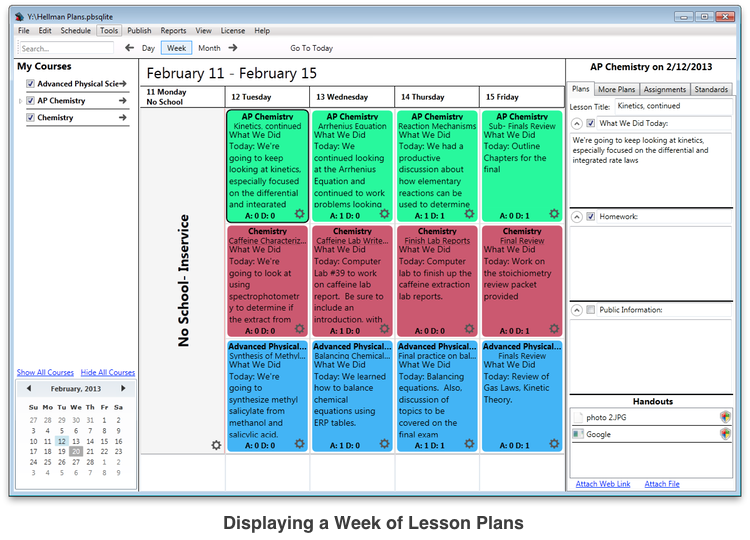
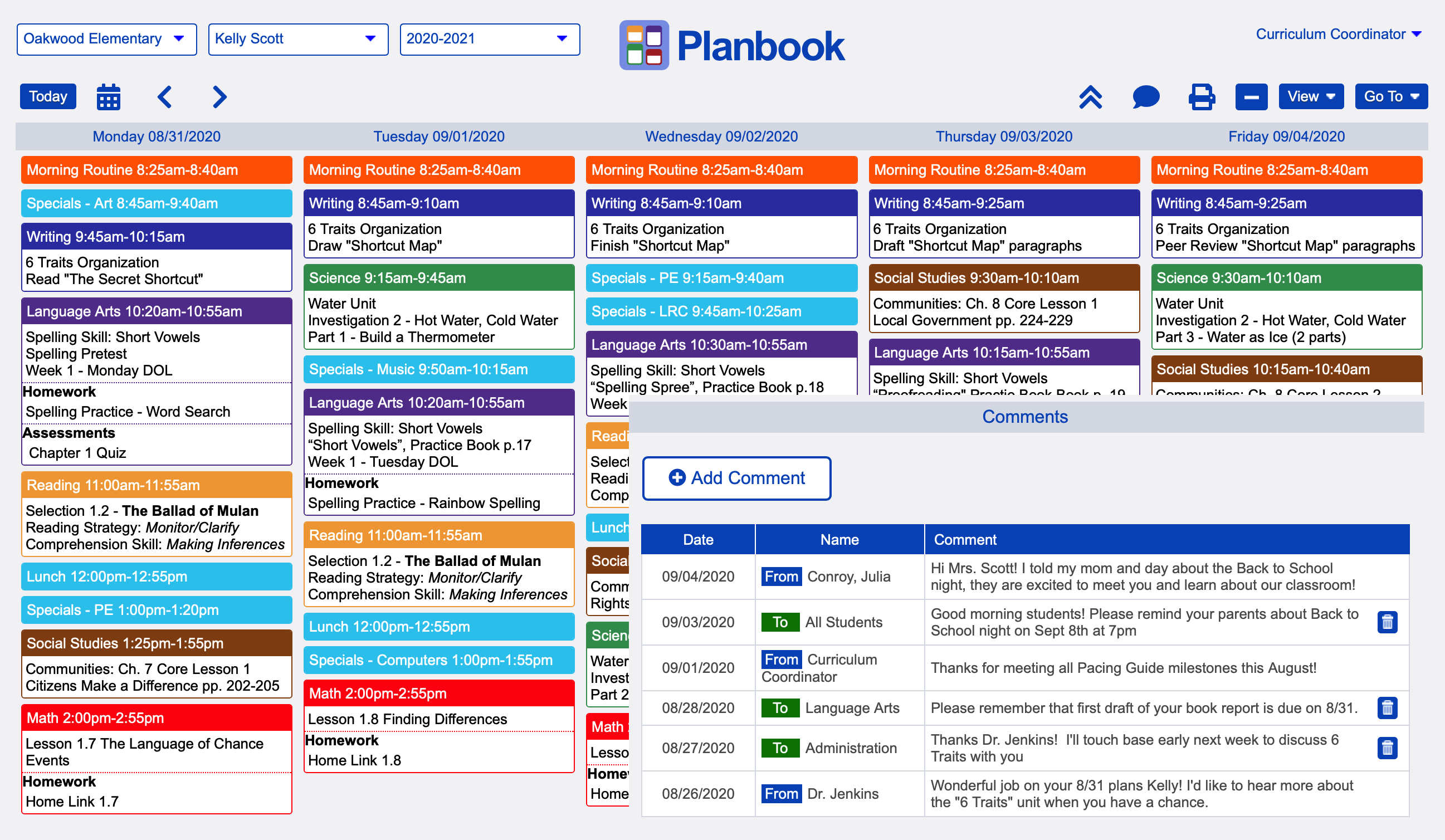
A teacher planbook is a structured organizational layout designed to help educators systematically map out daily instruction, track administrative duties, and monitor student progress. According to a study by the RAND Corporation, effective instructional planning and time management directly correlate with increased student engagement and higher academic achievement. Utilizing a well-structured teacher planbook bridges the gap between curriculum standards and daily classroom execution, providing educators with a reliable roadmap for the academic year.
Quick Key Takeaways:
- Core Focus: A systematic scheduling layout for mapping daily lessons, tracking standards, and managing classroom workflows.
- Target User: Classroom educators, homeschool instructors, and academic coordinators managing multi-subject curricula.
- Key Recommendation: Block out weekly scheduling templates prior to the term starting to ensure balanced subject coverage.
What This Printable Covers
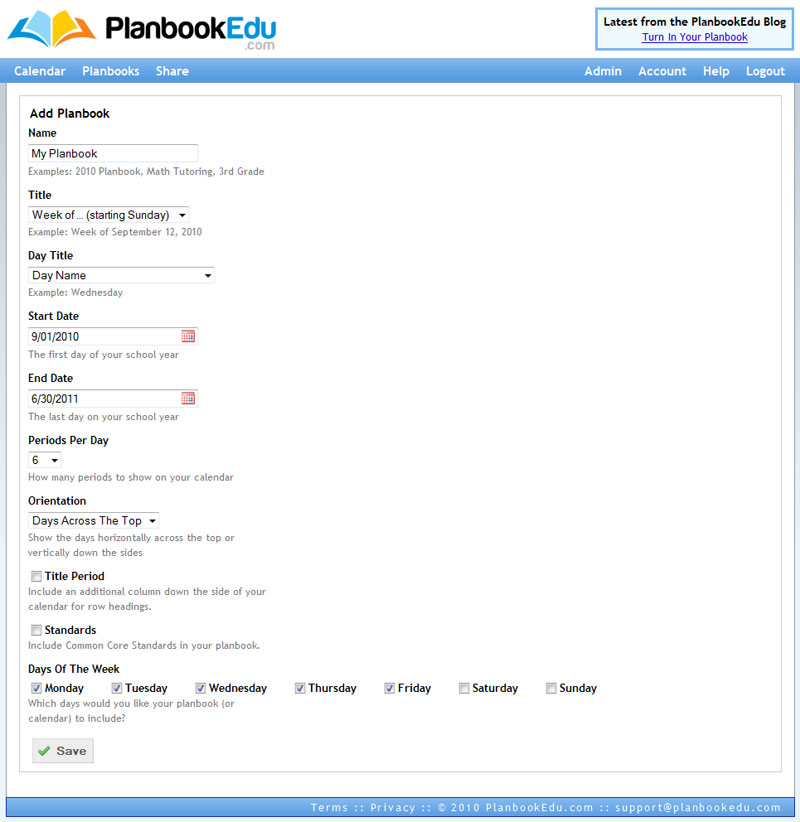
This printable resource provides comprehensive coverage of pedagogical scheduling, administrative tracking, and formative assessment logging. Designed to streamline workflow management, the layout incorporates designated spaces for state standards alignment, resource gathering lists, and differentiated instruction notes. Educators can easily transition from macro-level semester goals to micro-level daily lesson blocks without losing sight of broader learning objectives. The framework integrates seamlessly with digital or physical Administrative systems, ensuring all documentation remains unified and accessible.
Key Learning Outcomes
Systematic planning fosters advanced time management, ensuring that every instructional minute aligns with predefined pedagogical targets. Instructors build enhanced curriculum pacing awareness, preventing rushed units and allowing adequate time for remediation or enrichment activities. Documentation habits improve significantly, creating clear records for parent-teacher conferences, institutional audits, and personal reflection. Ultimately, consistent utilization of these organizational tools minimizes instructional friction, yielding a calmer, more productive classroom environment that supports diverse learners.
Overview & Skill Breakdown
| Focus Area | Target Skill | Best Practice |
|---|---|---|
| Curriculum Pacing | Long-term mapping | Block out major units before filling in weekly details. |
| Resource Allocation | Material prep | List required handouts and Worksheet assets in advance. |
| Formative Tracking | Progress monitoring | Record quick observational notes immediately following lessons. |
How to Use This Worksheet
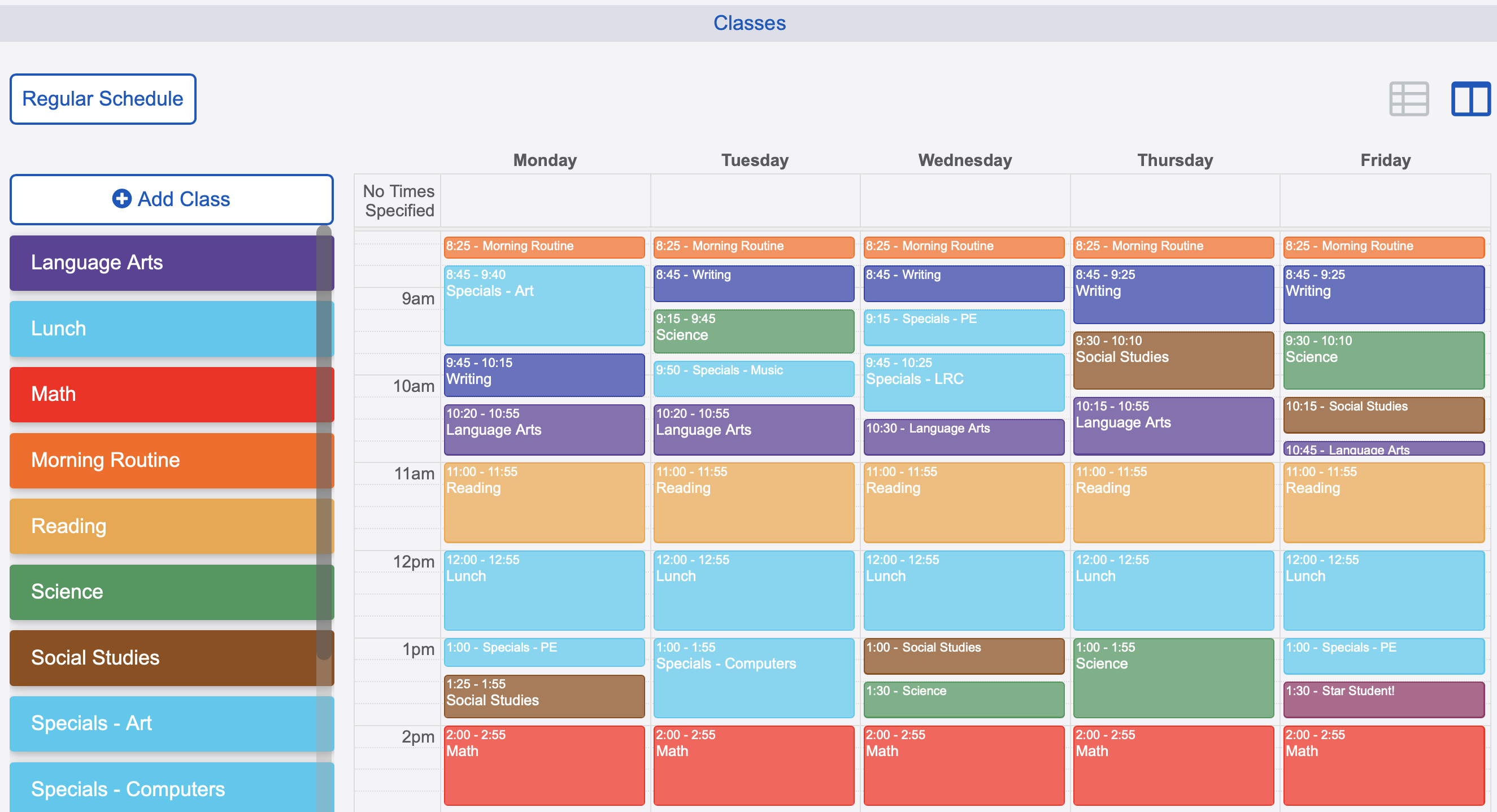
Implementation begins with reviewing annual curriculum guides and transferring key assessment dates into the layout. Educators should designate specific color codes or notation symbols for different subjects, accommodations, and special events to maximize visual clarity at a glance. Pairing this template with Academic tracking sheets ensures that content delivery matches institutional benchmarks and standardized testing schedules. Regular updates at the conclusion of each teaching day maintain accuracy and keep the roadmap adaptable to unexpected disruptions.
Practical Tips for Success
Preparation involves gathering all necessary curriculum pacing guides and standards documents before filling out the blank grids. Execution requires maintaining a dedicated five-minute reflection block at the end of each school day to note adjustments and unfinished objectives. Extension opportunities involve cross-referencing completed weekly layouts with Early Learning developmental frameworks or advanced subject matrices to ensure continuous vertical alignment across grade levels and skill tiers.
Stage-Appropriate Recommendations
Novice educators benefit from structured, pre-dated layouts that emphasize baseline routine establishment, clear objective setting, and basic time-blocking. Advanced instructors often prefer customizable, minimalist templates that support complex multidisciplinary project-based learning and flexible modular scheduling. According to the Interstate Teacher Assessment and Support Consortium (InTASC) standards, effective planning frameworks must accommodate diverse learner needs, collaborative planning times, and reflective practice. Selecting the appropriate layout depth depends entirely on experience level, teaching model complexity, and institutional reporting requirements.
Effective instructional planning and time management directly correlate with increased student engagement and higher academic achievement. — RAND Corporation
Frequently Asked Questions
Explore More Free Printable Resources
Discover an extensive collection of organizational tools, classroom aids, and professional development templates designed to support educators at every stage of their career journey. Browse the complete library of layouts tailored for both classroom efficiency and Personal Growth at Free Printable For You.
Images References