Introduction
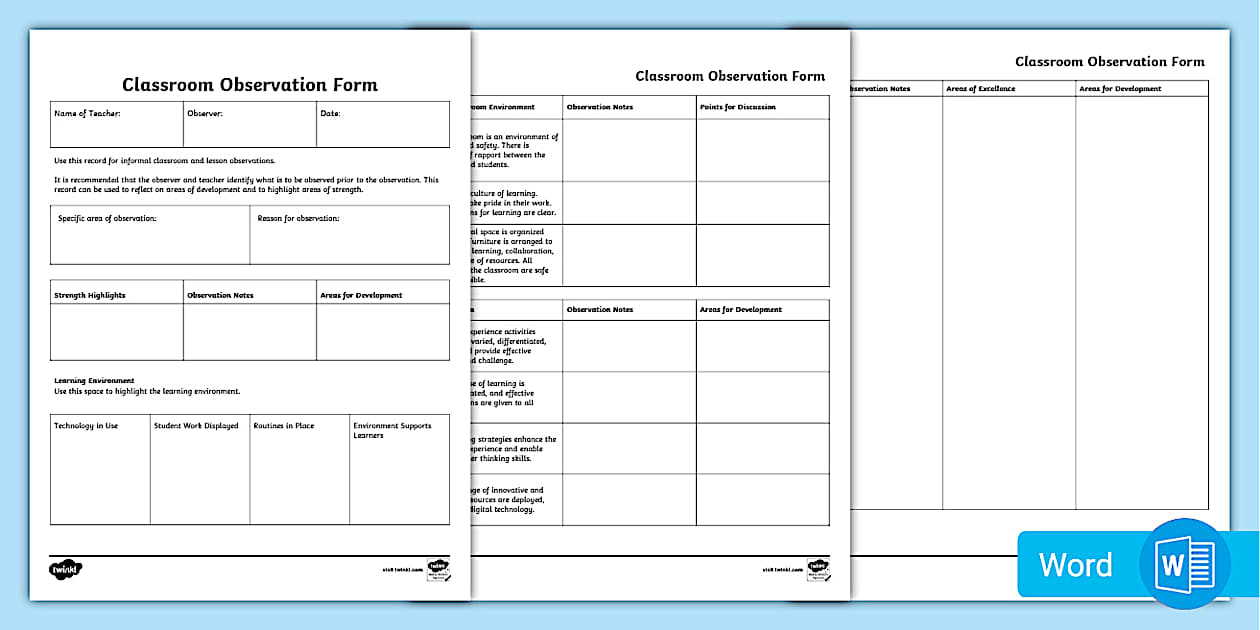
Observation tools for teachers provide structured frameworks that capture student behaviors, developmental milestones, and academic progress in real time. According to recent educational research published by the Institute of Education Sciences, systematic classroom observation significantly improves instructional decision-making and targets specific intervention strategies. Utilizing standardized printable observation tools for teachers allows educators to document qualitative data efficiently, moving away from subjective memory toward concrete behavioral evidence. These printables bridge the gap between daily instructional delivery and long-term student assessment.
Quick Key Takeaways:
- Core Focus: Systematic observation tools for teachers designed to capture qualitative data and behavioral patterns.
- Target User: Classroom educators, school administrators, and early childhood specialists tracking student progress.
- Key Recommendation: Implement consistent, dated logs to establish reliable longitudinal records for each learner.
What This Printable Covers
This printable resource focuses on foundational assessment methodologies, including anecdotal records, running records, time sampling, and event sampling matrices. Grounded in professional educational frameworks, the templates guide users through the objective documentation of student engagement, peer interactions, and task persistence. The layout prioritizes clean typography and functional spacing to ensure rapid data entry during fast-paced classroom activities, supporting both Academic progress tracking and behavioral intervention planning.
Key Learning Outcomes
Users learn to document observable student behaviors without injecting personal bias or interpretive language. The system cultivates advanced data-collection habits that align directly with Administrative compliance standards and reporting requirements. Furthermore, educators gain the proficiency needed to identify subtle learning gaps, monitor social-emotional development, and organize targeted small-group instruction based on genuine evidence.
Overview & Skill Breakdown
| Focus Area | Target Skill | Best Practice |
|---|---|---|
| Anecdotal Records | Objective Narrative Logging | Record exact quotes and actions without immediate interpretation. |
| Time Sampling | Frequency Tracking | Observe specific intervals to measure engagement and off-task trends. |
| Checklists | Milestone Verification | Scan rapidly for preset developmental or cognitive competencies. |
How to Use This Worksheet
Effective utilization requires placing the observation templates on a centralized clipboard or digital binder for immediate accessibility during lessons. Educators select a specific observation target—such as collaborative problem-solving or independent focus—before the session begins. Documenting brief, objective notes throughout the instructional period prevents information loss. For structured developmental reviews, pairing these templates with Early Learning frameworks ensures comprehensive milestone coverage.
Practical Tips for Success
Preparation involves organizing observation sheets by student rosters prior to the school day to minimize administrative friction. Execution relies on maintaining neutrality, focusing strictly on verifiable actions rather than assumed motivations. Extension is achieved by reviewing the collected data weekly, identifying persistent learning patterns, and transferring insights into actionable lesson adjustments or customized Worksheet modifications.
Stage-Appropriate Recommendations
For early childhood and foundational stages, observation tools for teachers emphasize holistic developmental domains in alignment with National Association for the Education of Young Children (NAEYC) standards. Beginner applications utilize simple frequency checklists and broad anecdotal space to capture socialization patterns and motor skill progression. Advanced educational settings transition toward complex matrix logs and duration recording sheets that analyze metacognitive strategies, critical thinking behaviors, and self-regulation during independent tasks.
Systematic classroom observation significantly improves instructional decision-making and targets specific intervention strategies. — Institute of Education Sciences
Frequently Asked Questions
Explore More Free Printable Resources
Expanding professional organization extends beyond tracking student behaviors into broader instructional management and personal goal setting. Professionals seeking to enhance overall productivity can explore specialized layouts categorized under Personal Growth. Discover the complete selection of classroom aids and administrative templates by visiting the main library at Free Printable For You.
Images References