Introduction
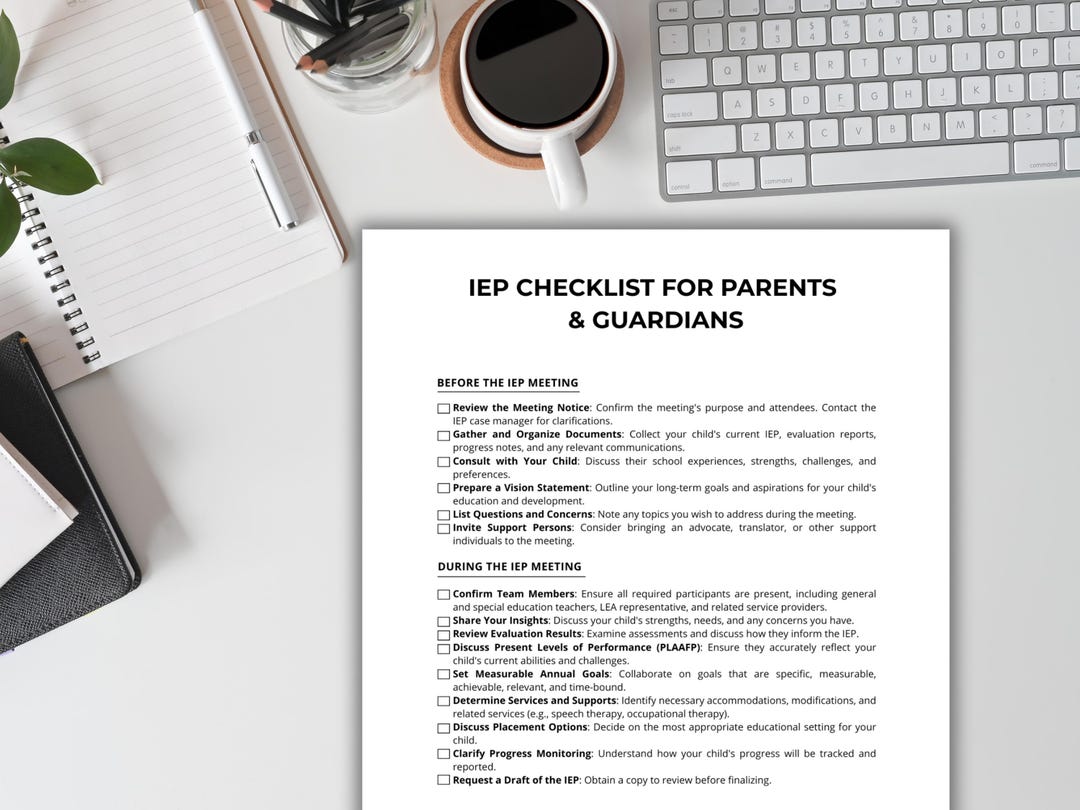
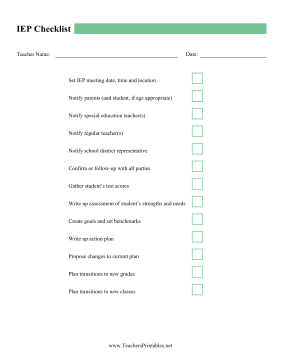
An IEP checklist functions as an essential administrative tool that streamlines the complex process of developing, implementing, and reviewing Individualized Education Programs for students with diverse learning needs. According to research published in the Journal of Special Education Technology, structured organizational frameworks significantly improve documentation accuracy and enhance collaborative communication among multidisciplinary educational teams. By transforming legal mandates and developmental milestones into actionable steps, an iep checklist ensures that no critical accommodation, evaluation timeline, or compliance metric is overlooked during annual meetings. This structured approach bridges the gap between educational policy and daily classroom practice, fostering transparent partnerships between educators, specialists, and families striving to support student success.
Quick Key Takeaways:
- Core Focus: A systematic iep checklist organizes documentation, compliance timelines, and accommodation tracking for special education teams.
- Target User: Educators, school administrators, and parents navigating the Individualized Education Program process.
- Key Recommendation: Maintain digital or printed versions of the checklist within student files to monitor ongoing goal progression continuously.
What This Printable Covers
This comprehensive printable covers every phase of the special education lifecycle, moving logically from initial referral and eligibility determination through annual reviews and transition planning. Alignment with federal guidelines and Council for Exceptional Children standards ensures that every legal requirement is met while maintaining a child-centered perspective. The resource systematically organizes pre-meeting data collection, present levels of academic achievement and functional performance statements, measurable annual goals, and specific modification matrices. Furthermore, it addresses progress monitoring protocols, ensuring that teams maintain rigorous standards of accountability and continuous adjustment throughout the academic calendar.
Key Learning Outcomes
Utilizing this tool guarantees mastery over critical administrative workflows. Participants learn to systematically gather multidisciplinary assessments to establish accurate present levels of performance. Educational teams develop proficiency in writing SMART goals that tie directly to identified deficits while remaining attainable within a single academic year. Stakeholders also master the scheduling and notification requirements mandated by federal compliance standards, reducing procedural errors. Finally, users cultivate the ability to audit accommodations regularly, ensuring that classroom tools effectively match evolving student needs.
Overview & Skill Breakdown
| Focus Area | Target Skill | Best Practice |
|---|---|---|
| Data Collection | Synthesizing multidisciplinary evaluations | Compile reports two weeks prior to the scheduled conference. |
| Goal Formulation | Writing measurable academic and behavioral objectives | Align every objective directly with identified baseline data. |
| Compliance Tracking | Monitoring timelines and procedural safeguards | Review state-mandated deadlines monthly using Administrative templates. |
How to Use This Worksheet
Implementation requires integrating the checklist into existing case management workflows across school sites and home environments. Case managers typically initiate the document upon receiving an initial referral or sixty days prior to an annual review due date. Educators utilize specific sections to cross-reference daily instructional strategies with mandated classroom accommodations, such as extended time or sensory breaks. Parents find utility in the post-meeting review sections, checking off action items to verify that recommended support services begin promptly. Integrating these routines into regular Academic planning guarantees seamless execution of specialized instruction.
Practical Tips for Success
Preparation involves gathering all prior evaluation summaries, standardized test scores, and informal progress notes before opening the document. During execution, users should date-stamp each completed section to maintain a verifiable audit trail of team collaboration and decision-making. Extension of the tool occurs by pairing it with supplementary tracking sheets found within the broader Worksheet library, allowing teachers to log daily goal attainment alongside high-level administrative overviews.
Stage-Appropriate Recommendations
For beginning case managers and families new to special education, introductory phases of the checklist focus on demystifying terminology and tracking initial evaluation timelines. According to the Individuals with Disabilities Education Act framework, structured documentation at this foundational stage protects student rights and establishes clear benchmarks. Advanced educational teams utilize later sections of the tool to coordinate complex transition planning, vocational training, and tertiary accommodations for secondary students preparing for post-secondary environments. This tiered approach accommodates varying levels of administrative experience while maintaining absolute fidelity to statutory requirements.
Structured organizational frameworks significantly improve documentation accuracy and enhance collaborative communication — Journal of Special Education Technology
Frequently Asked Questions
Explore More Free Printable Resources
Organizing effective educational support requires dependable resources that simplify complex processes for everyone involved. Beyond specialized compliance trackers, the library offers diverse organizational tools designed to foster inclusive learning environments. Visitors can discover additional resources for Early Learning and Personal Growth to support holistic development. Explore the complete collection at Free Printable For You to equip every educational journey with professional-grade materials.
Images References