Introduction
Alphabet teaching aids provide structured visual and tactile scaffolding necessary for foundational literacy acquisition in early childhood education. According to the National Reading Panel, systematic phonics instruction rooted in explicit alphabet recognition significantly accelerates early reading achievement compared to unstructured exposure. Alphabet teaching aids bridge abstract letter symbols and concrete phonemic sounds, creating essential multisensory bridges for developing minds. Integrating these resources into daily routines supports deliberate practice, letter-sound correspondence, and comprehensive Early Learning milestones.
Quick Key Takeaways:
- Core Focus: Alphabet teaching aids build letter recognition, phonics, and early literacy fluency through structured visual and tactile practice.
- Target User: Early childhood educators, homeschool parents, and developmental specialists guiding children aged three to seven.
- Key Recommendation: Pair printable letter cards with tactile tracing materials to reinforce both visual memory and fine motor skills simultaneously.
What This Printable Covers
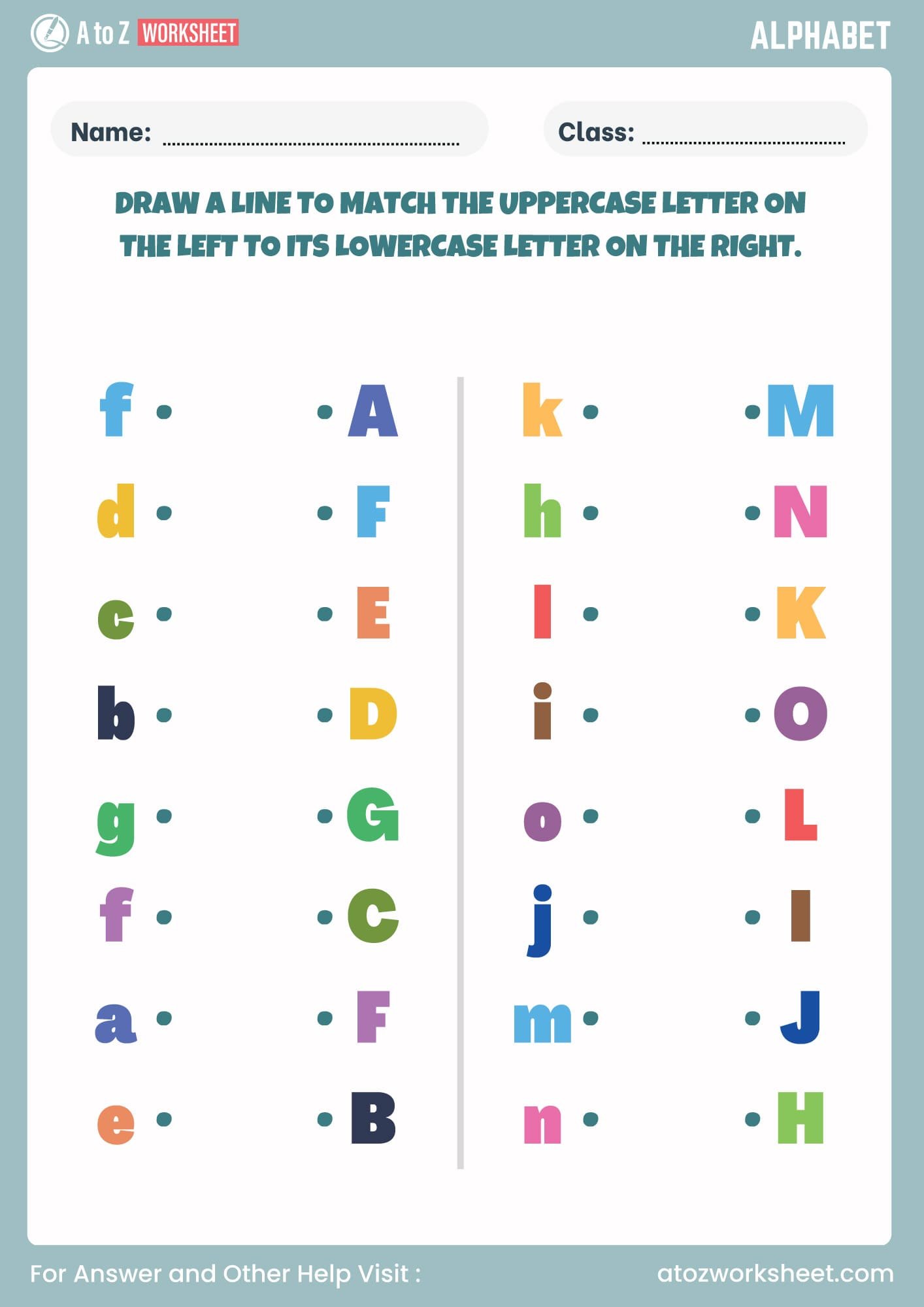
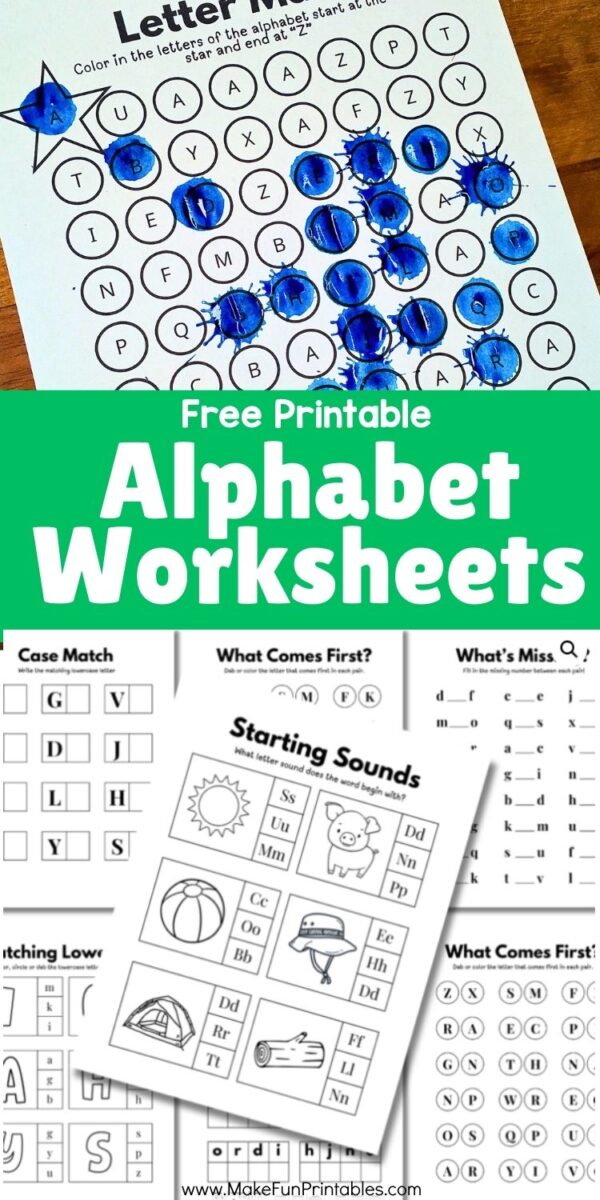
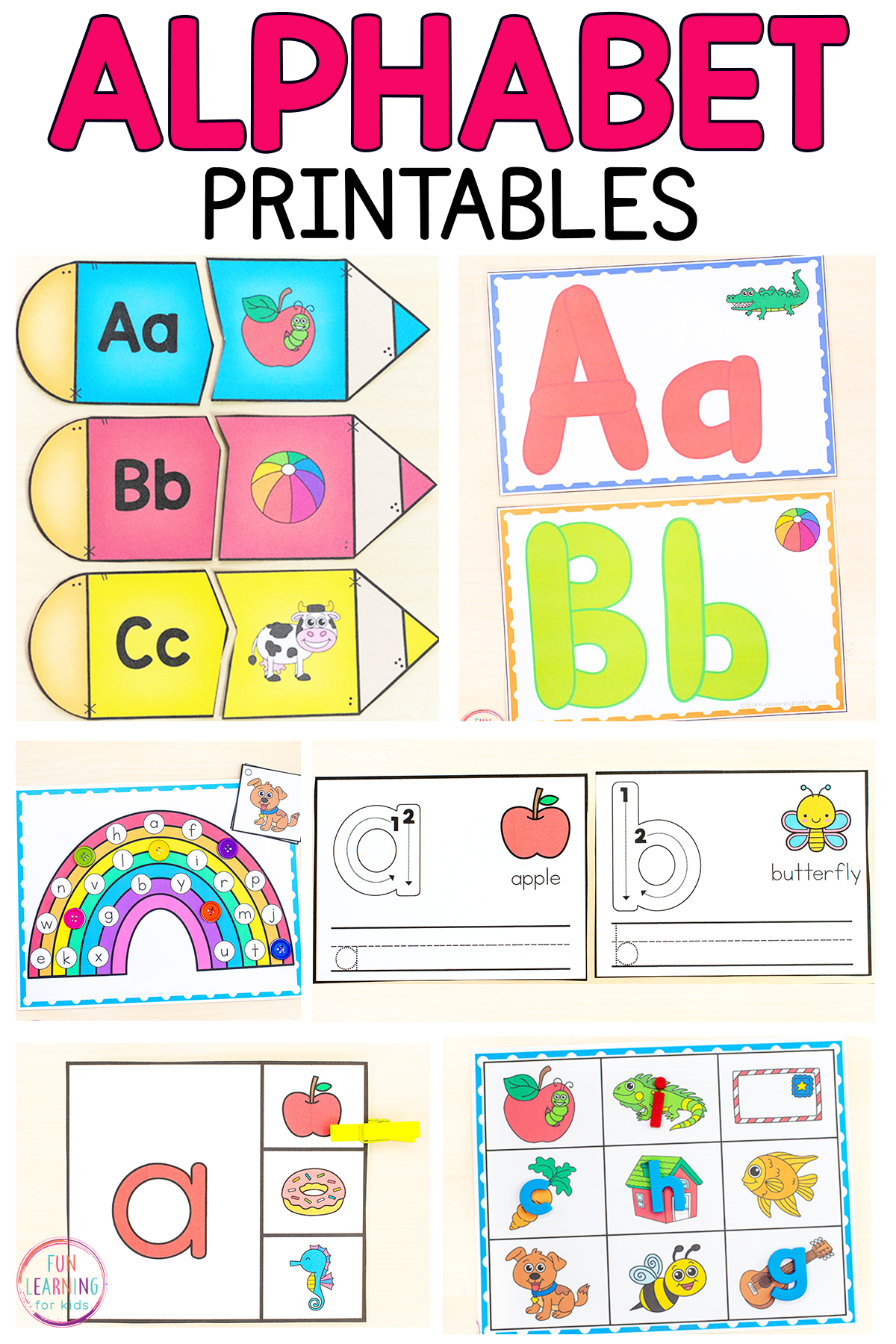
Comprehensive alphabet teaching aids cover uppercase and lowercase letter identification, stroke-order directionality, and initial letter-sound correspondences. Aligned with modern developmental reading frameworks, these resources systematically transition learners from passive letter identification to active phonemic awareness. Materials are strategically structured to minimize cognitive overload, presenting characters in manageable sets that encourage accurate letter formation and robust visual retention.
Key Learning Outcomes
Utilizing structured letter resources fosters visual discrimination between similarly shaped characters like lowercase ‘b’ and ‘d’. Learners build muscle memory through guided tracing paths that establish proper handwriting habits early in the developmental cycle. Furthermore, systematic exposure establishes strong grapheme-phoneme connections, laying the groundwork for future decoding, spelling fluency, and advanced Academic achievements.
Overview & Skill Breakdown
| Focus Area | Target Skill | Best Practice |
|---|---|---|
| Visual Recognition | Uppercase and lowercase identification | Match identical letter pairs visually before naming. |
| Fine Motor Control | Stroke-order directionality and tracing | Use thick crayons or finger-painting for initial tracing. |
| Phonemic Awareness | Initial letter-sound correspondence | Pair each letter graphic with a familiar phonetic object. |
How to Use This Worksheet
Effective deployment of alphabet teaching aids involves a gradual release of responsibility model, moving from guided modeling to independent student application. Educators and parents should introduce a small subset of letters weekly, ensuring mastery before expanding the character set. Embedding these printables into daily centers, morning work routines, or structured home study sessions maximizes engagement and reinforces consistent skill retention over time.
Practical Tips for Success
Preparation begins with laminating paper resources or inserting them into reusable dry-erase pockets to withstand frequent handling during active practice. Execution should prioritize multisensory engagement, encouraging learners to say the letter name and sound aloud while tracing the contours. Extension activities involve challenging students to hunt for physical objects in the immediate environment that begin with the target letter sound, bridging paper-based exercises with real-world contexts.
Stage-Appropriate Recommendations
According to the National Association for the Education of Young Children (NAEYC) developmental guidelines, early learners benefit from scaffolded instruction that matches their specific cognitive and motor capabilities. Beginners should focus primarily on uppercase identification and tactile tracing, while advanced preschoolers transition to lowercase letter differentiation, beginning sounds, and simple word-building exercises using comprehensive Worksheet layouts.
Systematic phonics instruction rooted in explicit alphabet recognition significantly accelerates early reading achievement — National Reading Panel
Frequently Asked Questions
Explore More Free Printable Resources
Enhance your educational toolkit by exploring our complete selection of developmental materials, organizational assets, and learning aids designed to support lifelong learners at every stage of their journey. Visit the main library at Free Printable For You to discover new ways to enrich your home or classroom environment today.
Images References