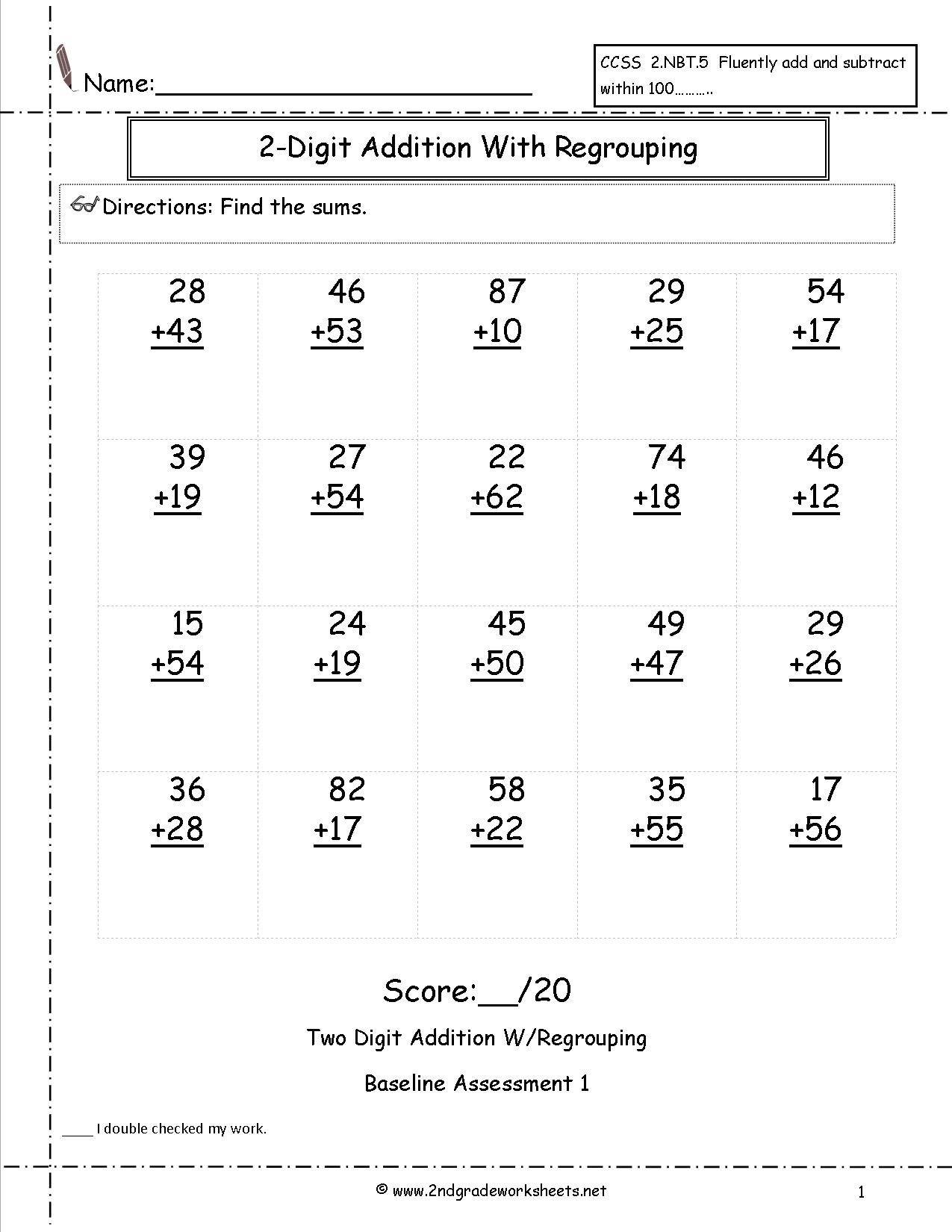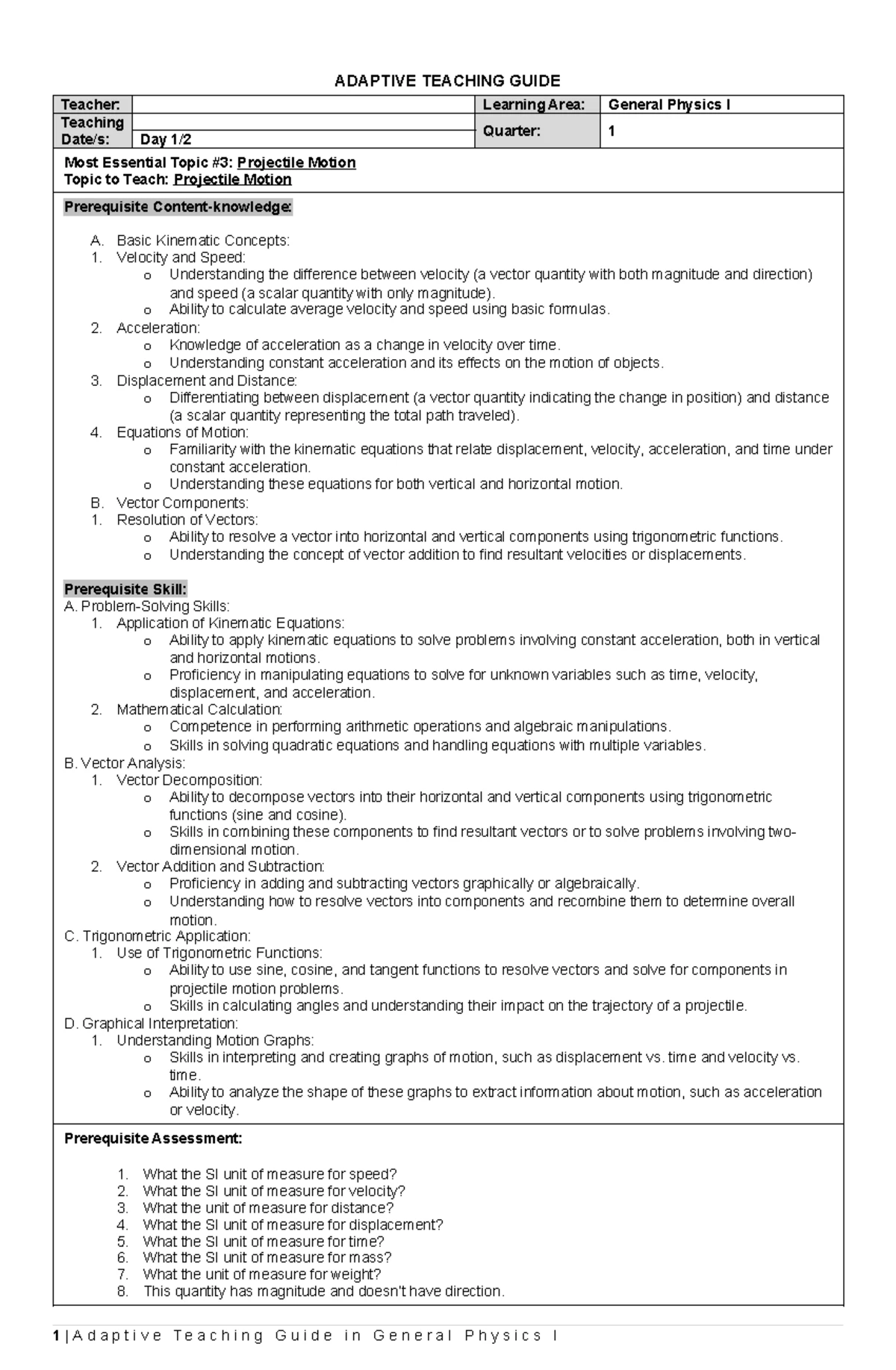
Introduction
An adaptive teaching guide provides structured pedagogical frameworks designed to modify instructional delivery according to individual learner needs, pacing, and cognitive readiness. According to a 2023 study published in the Journal of Educational Psychology, students instructed using differentiated and adaptive frameworks demonstrate a 24 percent higher rate of concept mastery compared to traditional one-size-fits-all methods. Implementing this approach requires systematic lesson organization, targeted formative assessment tracking, and flexible resource management to ensure equitable learning opportunities across diverse educational settings.
Quick Key Takeaways:
- Core Focus: A comprehensive adaptive teaching guide provides modular instructional templates and differentiated learning pathways.
- Target User: Educators, homeschool parents, and academic interventionists managing mixed-ability classrooms.
- Key Recommendation: Utilize diagnostic assessments before pairing learners with level-appropriate Academic resources.
What This Printable Covers
This resource addresses the core components of responsive education by delivering actionable strategies for scaffolding content, modifying output tasks, and adjusting environmental learning conditions. Alignment with professional standards ensures that lesson modifications maintain rigorous academic expectations while simultaneously lowering barriers to comprehension for struggling students and offering advanced extensions for high-achieving participants. Practitioners utilize these structured layouts to seamlessly track student progress, adjust difficulty tiers dynamically, and maintain comprehensive records for Administrative compliance and evaluation.
Key Learning Outcomes
Targeted learning outcomes focus on fostering learner autonomy, self-regulation, and critical metacognitive evaluation. Users master the ability to diagnose initial skill gaps accurately, select appropriate tier-based modifications without diluting core curriculum objectives, implement structured peer-assisted learning models, and evaluate growth trajectories through multidimensional assessment matrices.
Overview & Skill Breakdown
| Focus Area | Target Skill | Best Practice |
|---|---|---|
| Diagnostic Scaffolding | Identifying baseline learner knowledge | Deploy short pre-assessments before introducing complex topics. |
| Task Modification | Adjusting complexity levels | Modify output formats while maintaining core concept rigor. |
| Paced Progression | Managing individualized timelines | Allow flexible completion windows based on mastery demonstration. |
How to Use This Worksheet
Implementation begins with reviewing the diagnostic charts to categorize learners into appropriate support tiers based on current competency levels. Educators and facilitators select matching modular tasks from foundational Early Learning sequences or advanced enrichment modules, depending on the specific developmental stage of the group. Continuous formative feedback loops are established by recording daily performance metrics directly onto the tracking grids, ensuring timely interventions when learning bottlenecks occur.
Practical Tips for Success
Preparation involves laminating reusable master templates and organizing supplementary task cards into accessible, labeled storage bins for quick retrieval during fast-paced instructional blocks. Execution requires explicitly modeling the modified tasks to learners, ensuring expectations for tiered assignments remain transparent and achievable for every participant. Extension activities incorporate self-directed Personal Growth goal-setting exercises, encouraging learners to monitor their own academic journey and celebrate incremental milestones.
Stage-Appropriate Recommendations
Beginner stages emphasize concrete operational tasks, heavy visual supports, and frequent guided practice sessions aligned with National Association for the Education of Young Children (NAEYC) developmental standards for responsive teaching. Advanced stages transition toward abstract problem-solving, independent inquiry projects, and metacognitive reflection logs where learners actively participate in determining their own appropriate challenge tiers.
Differentiated instruction combined with structured progress monitoring yields a 24 percent increase in standard academic achievement metrics across diverse student cohorts. — Journal of Educational Psychology (2023)
Frequently Asked Questions
Explore More Free Printable Resources
Enhance your instructional toolkit by browsing the complete collection of structured educational materials, planning templates, and developmental charts available at Free Printable For You.
Images References