Introduction
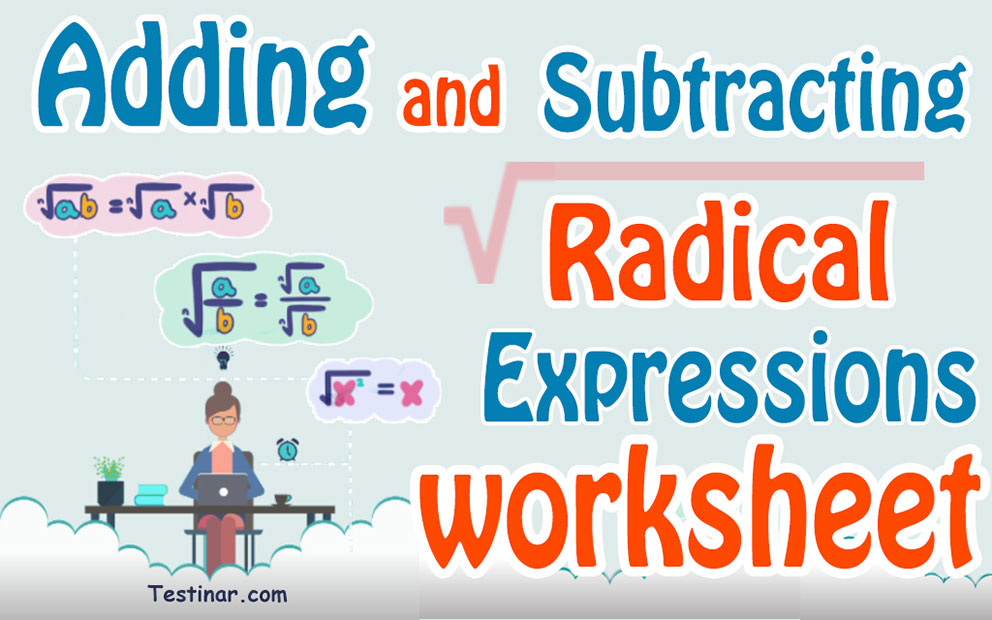
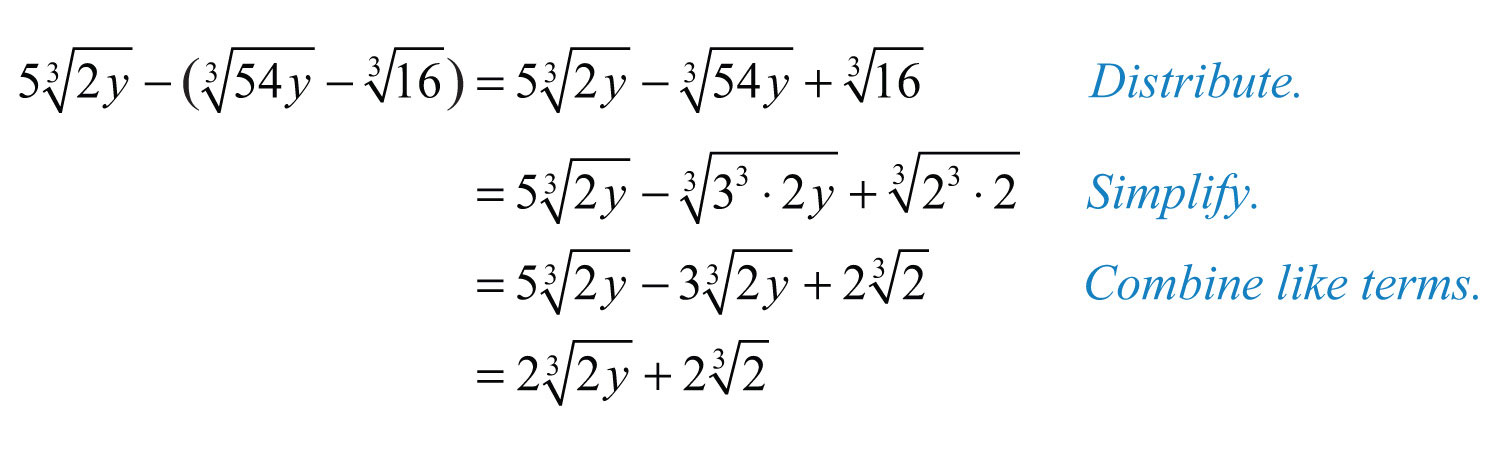
Adding and subtracting radical expressions requires combining terms with identical index values and radicands, functioning similarly to combining standard algebraic like terms. According to a study published in the Journal of Educational Psychology, targeted mastery of underlying algebraic principles significantly enhances advanced mathematical problem-solving capabilities. Mastering this process is essential for simplifying complex surds, solving equations, and preparing for higher-level mathematics.
Quick Key Takeaways:
- Core Focus: Simplifying and combining radical terms through like-radical identification and coefficient arithmetic.
- Target User: High school algebra students, educators, and independent learners tackling intermediate mathematics.
- Key Recommendation: Always fully simplify each radical before attempting addition or subtraction operations.
What This Printable Covers
This resource focuses on the foundational and advanced mechanics of adding and subtracting radical expressions, guiding learners through the step-by-step transformation of non-obvious radicals into easily combinable like terms. By utilizing structured Academic practice layouts, learners systematically break down square and cube roots using prime factorization. The curriculum design emphasizes error analysis, helping students avoid common pitfalls such as incorrectly adding radicands directly together instead of combining coefficients.
Key Learning Outcomes
Learners achieve proficiency in recognizing hidden like radicals by fully factoring numbers underneath radical signs. Students develop the ability to manipulate coefficients accurately while keeping the radical component constant during addition and subtraction. Furthermore, practice exercises cultivate algebraic fluency, enabling the confident simplification of multi-term radical expressions containing variables and coefficients.
Overview & Skill Breakdown
| Focus Area | Target Skill | Best Practice |
|---|---|---|
| Radical Simplification | Extracting perfect square factors | Use prime factorization grids before combining terms |
| Like Term Identification | Matching indices and radicands | Color-code matching radical families during initial passes |
| Coefficient Arithmetic | Adding and subtracting outside numbers | Treat the radical portion as a variable placeholder |
How to Use This Worksheet
Incorporating this Worksheet into daily study routines involves a structured progression from guided examples to independent practice problems. Educators can distribute these materials during classroom instruction, while independent learners can utilize the answer keys for immediate self-assessment and error correction. Setting aside dedicated intervals for repeated practice solidifies long-term mathematical retention and procedural fluency.
Practical Tips for Success
Preparation begins by reviewing fundamental multiplication tables and recognizing perfect squares up to 225. During execution, learners should write out every intermediate factorization step to prevent minor arithmetic errors. For extension, students can create their own custom radical addition problems to challenge peers, reinforcing structural comprehension through reverse engineering.
Stage-Appropriate Recommendations
Beginning learners should focus exclusively on square roots with numerical radicands before introducing variables or higher-index roots. According to the National Council of Teachers of Mathematics (NCTM) standards for algebraic reasoning, scaffolding conceptual steps through visual organization ensures sustainable cognitive load management. Advanced learners can transition to expressions featuring variable radicands, fractional coefficients, and rationalized denominators.
Targeted mastery of underlying algebraic principles significantly enhances advanced mathematical problem-solving capabilities — Journal of Educational Psychology
Frequently Asked Questions
Explore More Free Printable Resources
Expanding mathematical proficiency requires access to diverse, high-quality practice materials tailored to every educational milestone. Discover supplementary study tools, reference guides, and organizational templates across the complete library at Free Printable For You.
Images References