Introduction
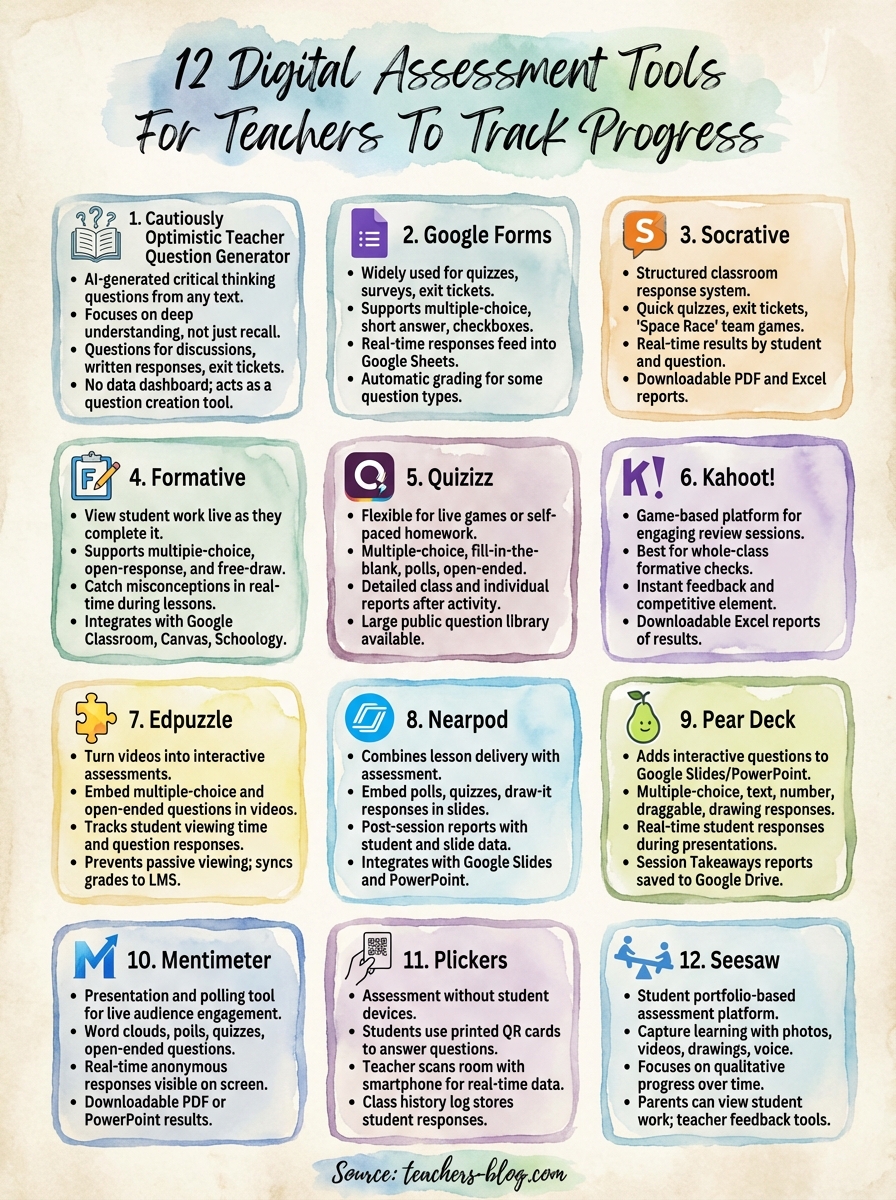
Optimizing classroom workflows requires integrating modern technology with traditional organization strategies, particularly when managing complex instructional duties. According to a recent study by the EdTech Evidence Exchange, educators who strategically combine software solutions with structured offline materials experience a 25 percent reduction in weekly planning friction. Identifying the best digital tools for teachers empowers instructors to streamline lesson delivery, track student progress efficiently, and maintain organized records. These digital solutions complement tangible planning instruments found across the Academic and Administrative categories, bridging the gap between virtual efficiency and physical documentation.
Quick Key Takeaways:
- Core Focus: Utilizing software platforms alongside structured Worksheet materials to maximize classroom productivity.
- Target User: Classroom educators, instructional coaches, and homeschool facilitators seeking streamlined workflow management.
- Key Recommendation: Pair automated gradebook and communication apps with standardized templates to ensure complete curriculum alignment.
What This Printable Covers
This resource outlines comprehensive evaluation metrics, software categorization methods, and implementation strategies designed to elevate modern pedagogy. By aligning virtual platforms with established curriculum goals, instructors learn to select software that addresses specific classroom challenges without overwhelming daily routines. The framework emphasizes digital literacy, time management, formative assessment tracking, and seamless parent communication, ensuring that every technological addition serves a distinct pedagogical purpose. These strategies directly support the foundational skills explored within Early Learning environments.
Key Learning Outcomes
Educators master the identification of high-yield software solutions that reduce administrative overhead while enhancing student engagement. Participants learn to evaluate digital interfaces for accessibility, data privacy compliance, and instructional value. Furthermore, the material guides the integration of virtual platforms with printable tracking systems, fostering a balanced ecosystem that accommodates diverse learning styles and administrative mandates.
Overview & Skill Breakdown
| Focus Area | Target Skill | Best Practice |
|---|---|---|
| Workflow Automation | Time Management | Utilize centralized dashboards for grading and attendance tracking. |
| Formative Assessment | Data Analytics | Deploy interactive quizzes that instantly sync with student profiles. |
| Parent Communication | Stakeholder Engagement | Establish unified messaging portals for consistent family updates. |
How to Use This Worksheet
Implementing this framework begins with auditing current classroom workflows to pinpoint redundant tasks and administrative bottlenecks. Instructors can use the accompanying evaluation matrix to test new software against specific instructional criteria before full-scale adoption. Pairing digital records with physical documentation ensures transparency and provides reliable backups for institutional audits or parent-teacher conferences. This systematic approach supports continuous professional development and personal organization, aligning closely with goals found in Personal Growth frameworks.
Practical Tips for Success
Preparation involves mapping out specific term objectives to determine which software categories require immediate integration. During execution, introduce new digital platforms gradually to students and families to prevent technical fatigue and ensure high adoption rates. Extension activities include establishing peer-support networks where educators can share custom templates, troubleshooting tips, and successful software combinations for ongoing classroom optimization.
Stage-Appropriate Recommendations
Beginning educators benefit from foundational tools focusing on basic attendance, simple communication, and standardized layout templates. Advanced instructors can incorporate complex learning management systems, automated analytics, and dynamic student-portfolio builders. According to the International Society for Technology in Education (ISTE) Standards for Educators, professionals should progressively advance their digital competencies by aligning software selection with student empowerment and collaborative design principles.
25% reduction in weekly planning friction reported by educators utilizing integrated digital and offline organizational frameworks — EdTech Evidence Exchange
Frequently Asked Questions
Explore More Free Printable Resources
Discover an extensive library of classroom templates, organizational guides, and instructional assets designed to support every stage of the teaching journey. Visit Free Printable For You today to access comprehensive materials that elevate daily productivity and foster student success.
Images References