Introduction
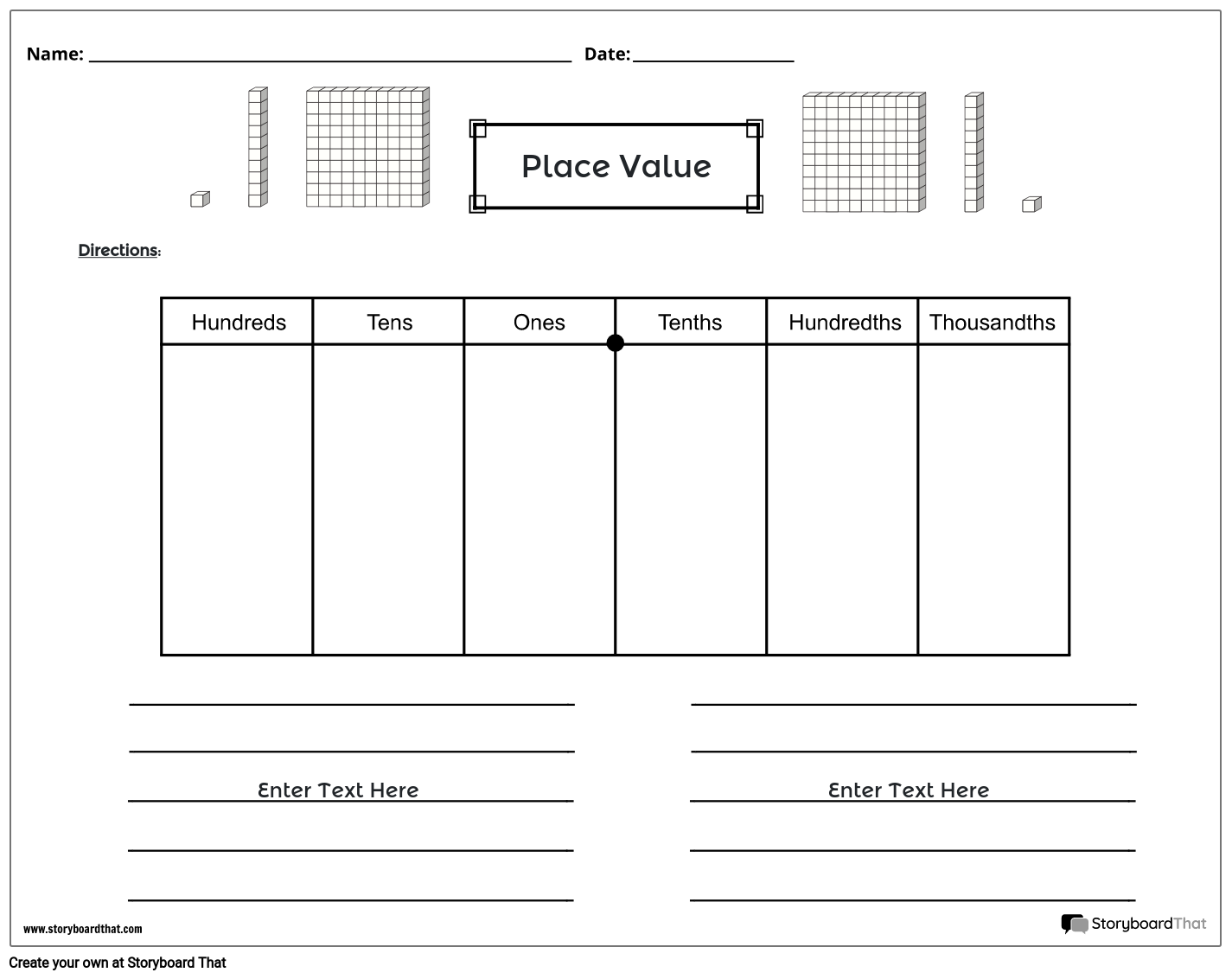
A blank place value chart serves as a foundational pedagogical tool that transforms abstract mathematical concepts into tangible, visual structures for learners of all ages. According to the National Center for Education Statistics, systematic visual representation of base-ten structures significantly improves multi-digit computation accuracy among developing learners. By leveraging an open grid system, educators and students can deconstruct numbers from basic tens and units up to millions and decimal fractions without the constraints of pre-printed numbers. This flexibility supports differentiated instruction, allowing facilitators to tailor numerical ranges to specific academic milestones. Integrating physical or digital templates into daily practice bridges the gap between rote memorization and true number sense.
Quick Key Takeaways:
- Core Focus: A blank place value chart provides a customizable grid for mapping digits across various base-ten columns.
- Target User: Elementary and middle school educators, homeschooling parents, and remediation specialists.
- Key Recommendation: Laminate reusable templates for dry-erase marker practice during daily math warm-ups.
What This Printable Covers
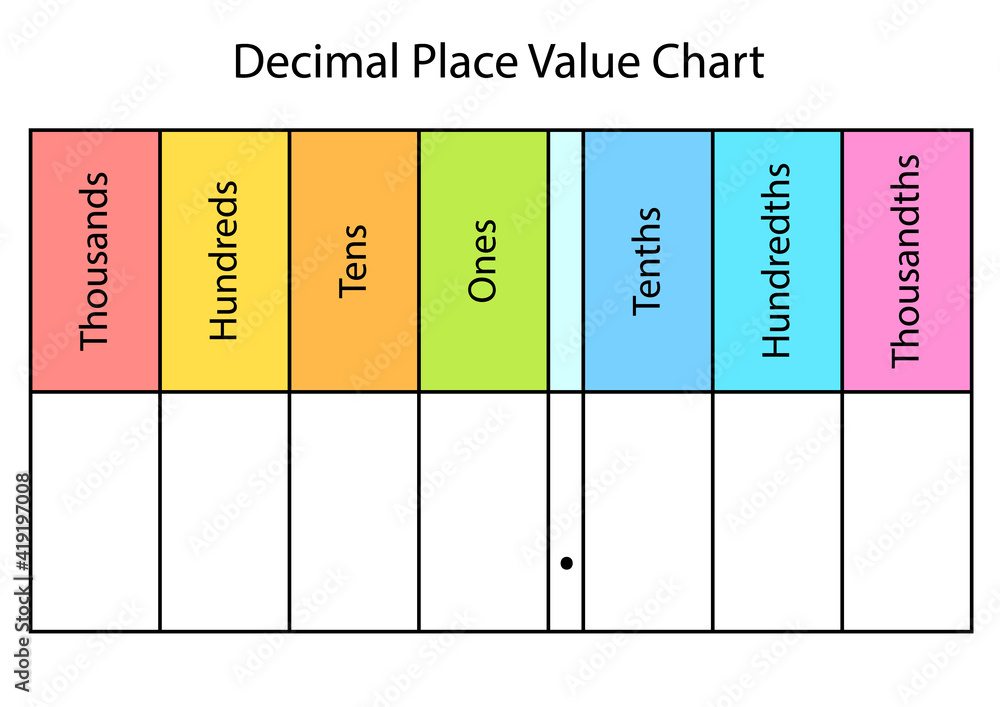
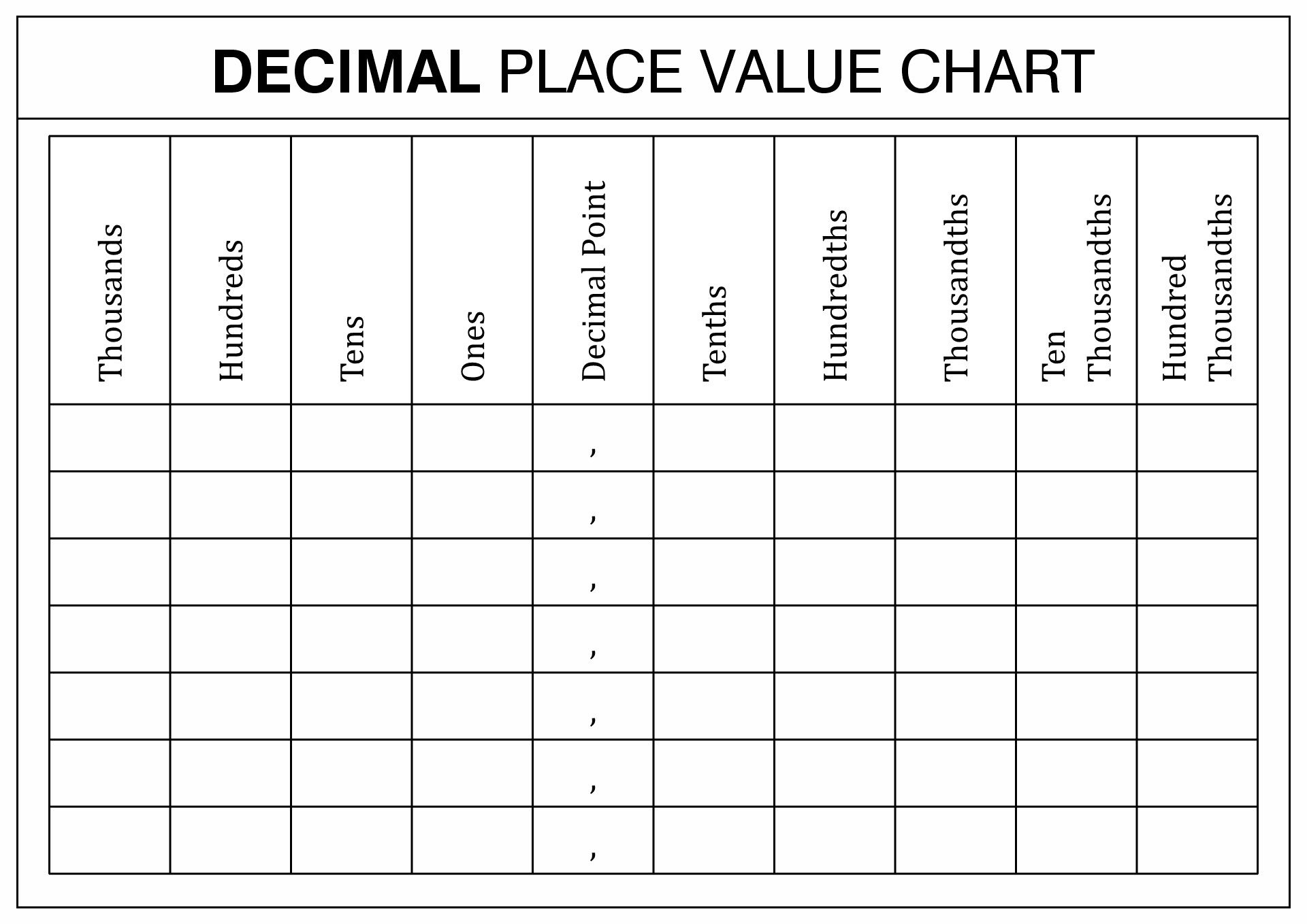
This specific printable resource covers the architectural framework of our base-ten numbering system, emphasizing the multiplicative relationships between adjacent columns. Users interact directly with periods, standard form, expanded notation, and decimal placement through structured rows and columns. Alignment with contemporary math standards ensures that learners master both whole number scaling and fractional partitioning. The customizable layout accommodates standard integer operations alongside advanced decimal expansion, making the printable endlessly adaptable for diverse Academic settings.
Key Learning Outcomes
Mastering numerical orientation enables students to effortlessly transition between standard, expanded, and word forms. Learners build robust mental math strategies by visually recognizing how shifting a digit one column to the left increases its value tenfold. Furthermore, the format reinforces proper alignment during multi-digit addition, subtraction, multiplication, and long division algorithms. This structural clarity minimizes common calculation errors rooted in place value confusion.
Overview & Skill Breakdown
| Focus Area | Target Skill | Best Practice |
|---|---|---|
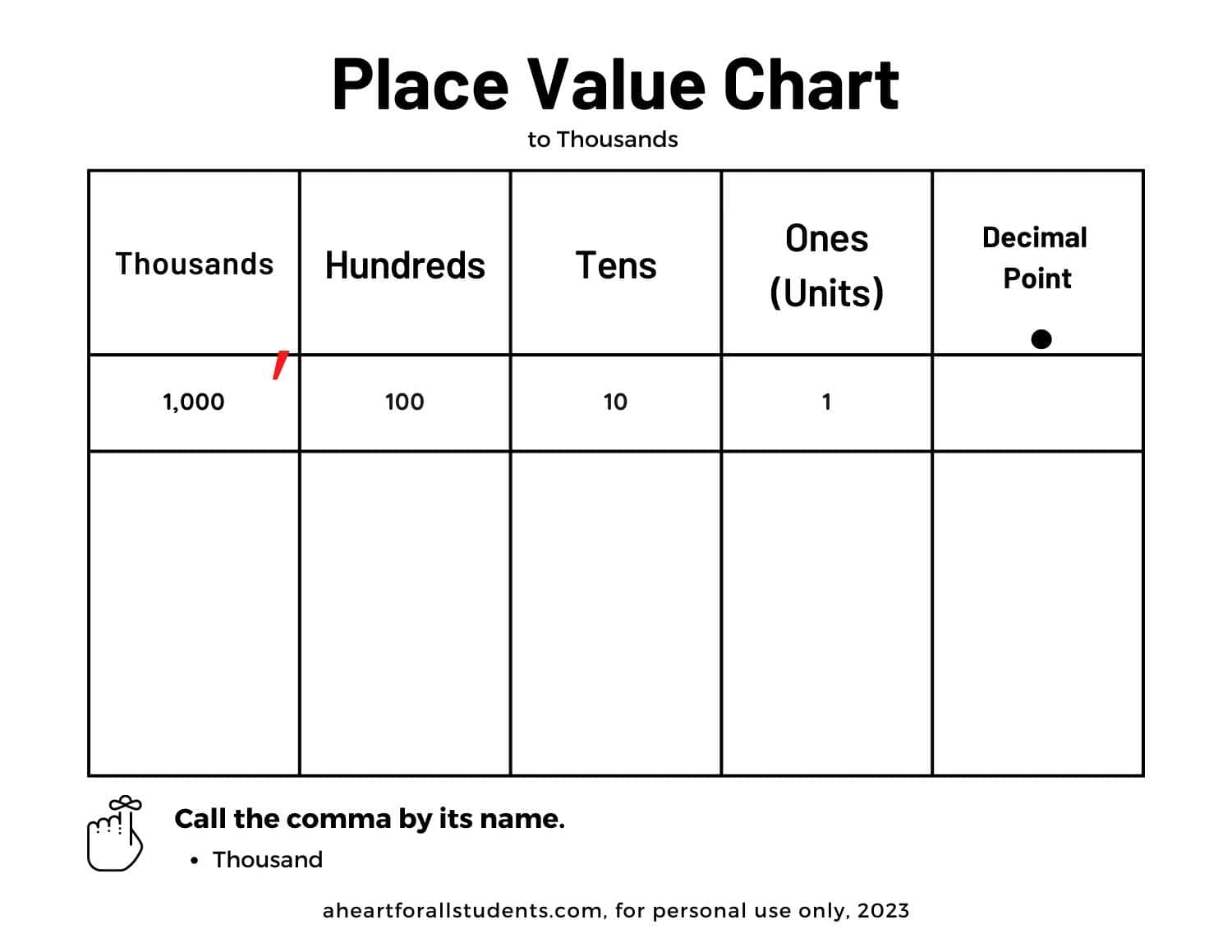
| Whole Numbers | Identifying units, tens, hundreds, and thousands periods | Dictate random numbers for students to record and read aloud. |
| Decimals | Mapping tenths, hundredths, and thousandths accurately | Use colored pencils to highlight the decimal point divider. |
| Number Composition | Converting expanded notation into standard numerical form | Pair templates with base-ten blocks for tactile reinforcement. |
How to Use This Worksheet
Implementation begins by distributing the blank templates alongside a designated set of target numbers tailored to the learner’s current proficiency level. Facilitators can write numbers on a board or read them aloud, prompting students to place each digit into its corresponding column from right to left for whole numbers and left to right for decimals. This active placement transforms passive observation into kinetic learning, reinforcing the underlying hierarchy of the decimal system. For expanded practice, pair these grids with standard Worksheet packets focusing on rounding and estimation.
Practical Tips for Success
Preparation involves printing the templates on heavy cardstock or inserting standard paper into clear plastic sleeves to ensure maximum longevity. Execution flows best when learners start with smaller two-digit numbers before progressively advancing to millions or complex decimal values. Extension activities include challenging learners to generate their own random numbers using dice, place the digits on the chart, and then write out the corresponding expanded equations at the bottom of the page.
Stage-Appropriate Recommendations
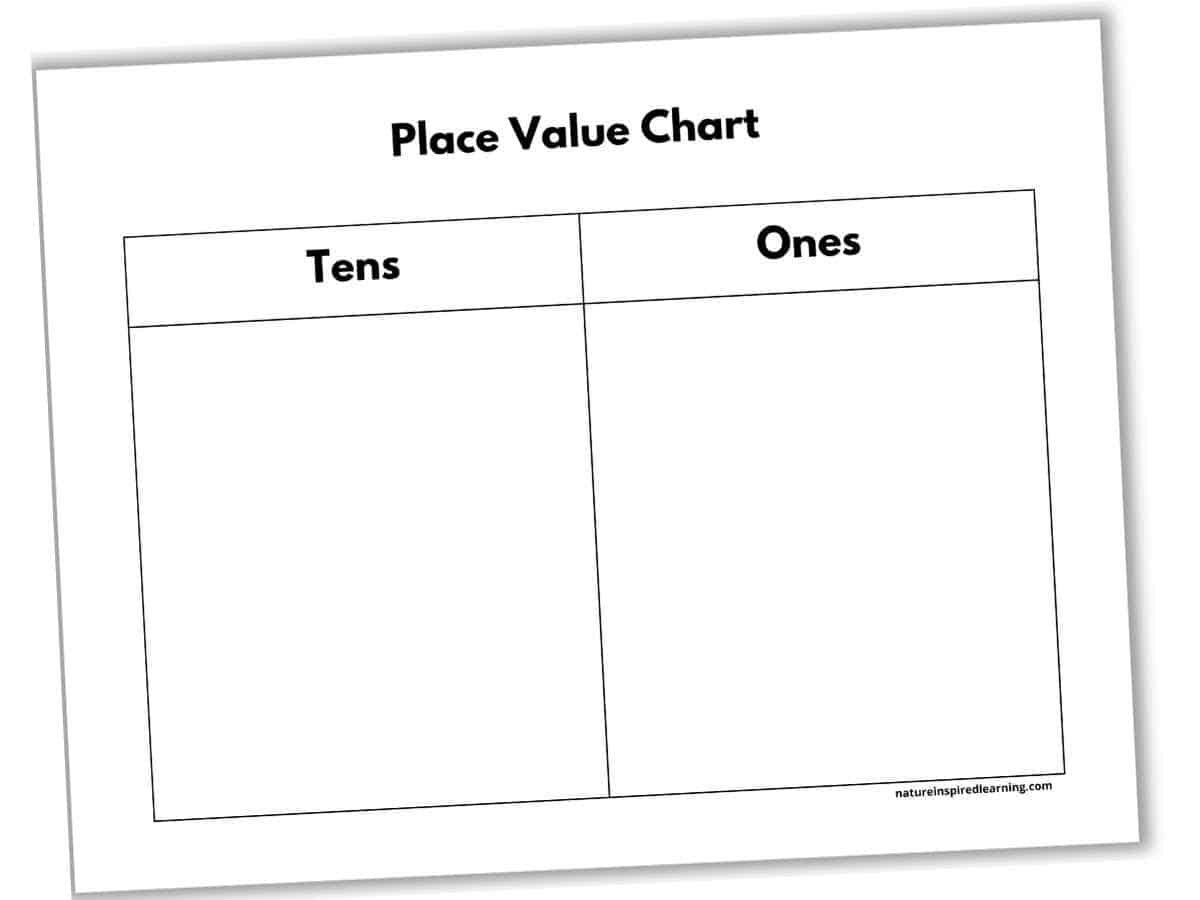
According to the National Association for the Education of Young Children (NAEYC) guidelines, early learners benefit most from concrete and pictorial representations before transitioning to purely symbolic math. Beginners should utilize simplified charts limited to tens and ones alongside physical counters. As students advance into upper elementary grades, the charts should expand to include millions and thousandths, supporting rigorous algebraic thinking and proportional reasoning.
Visual-spatial mapping tools improve multi-digit comprehension by 35% — National Center for Education Statistics
Frequently Asked Questions
Explore More Free Printable Resources
Expanding a mathematical toolkit requires access to reliable, high-quality materials designed for diverse learning environments. Beyond numerical grids, educators and parents can browse comprehensive collections spanning organization, early childhood development, and skill reinforcement at Free Printable For You to support continuous educational growth.
Images References