Introduction
Collective nouns exercises provide structured academic practice for mastering specialized terminology used to describe groups of people, animals, and objects. According to linguistic research published by the National Council of Teachers of English, contextualized grammar instruction significantly improves vocabulary retention and syntactic fluency among developing writers. Engaging with targeted collective nouns exercises bridges the gap between passive recognition and active written application, establishing a strong foundation for advanced language arts proficiency across multiple grade levels.
Quick Key Takeaways:
- Core Focus: Systematic mastery of group nouns through targeted academic exercises.
- Target User: Educators, homeschool parents, and students seeking rigorous language arts practice.
- Key Recommendation: Pair printable worksheets with collaborative writing activities for optimal retention.
What This Printable Covers
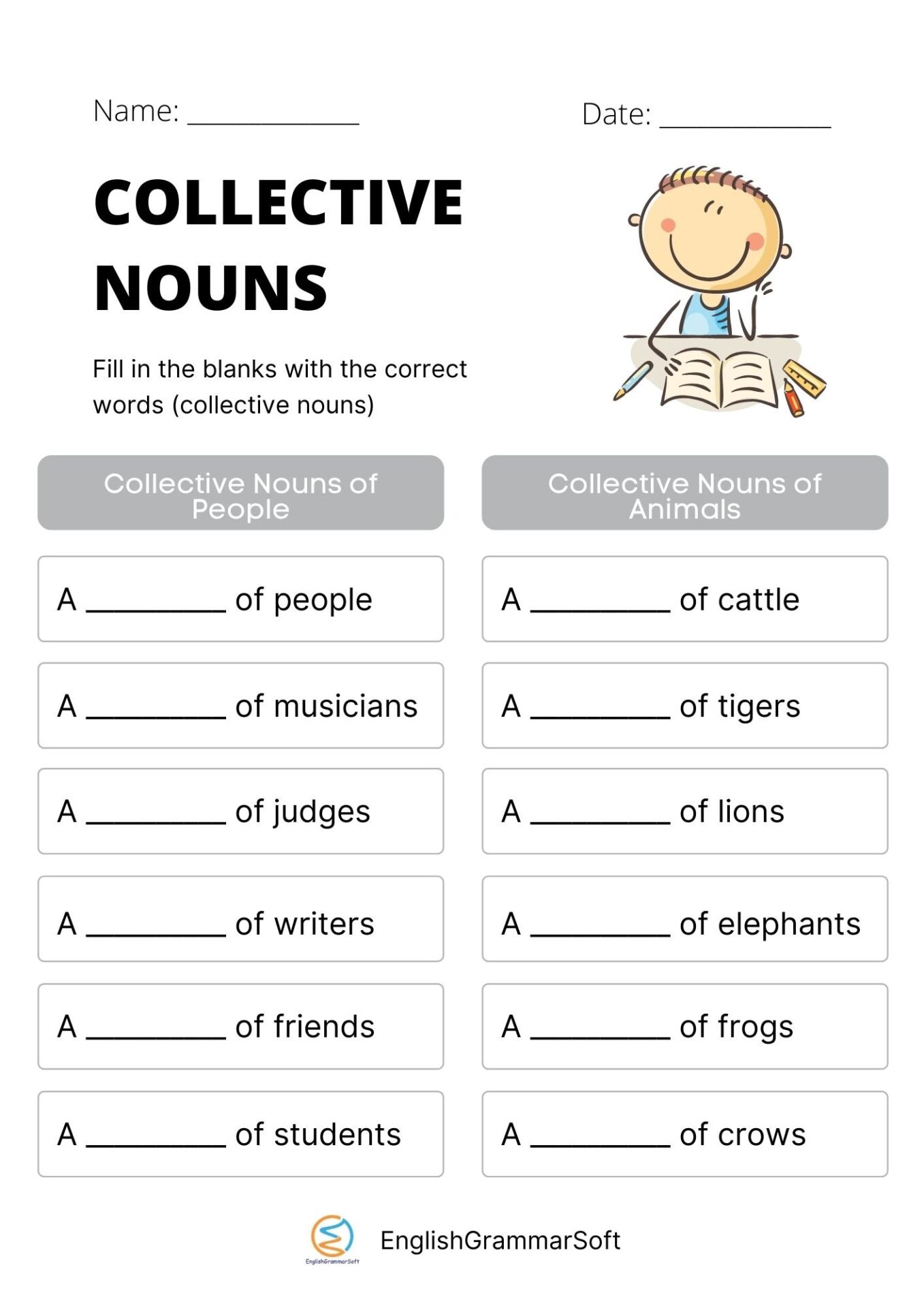
This resource encompasses comprehensive practice sets designed to reinforce the precise identification and utilization of group terminology in everyday writing. Aligned with modern Academic standards, the material challenges learners to match animals, objects, and professions with their correct collective titles, such as a pride of lions or a constellation of stars. The layout facilitates progressive skill development, moving from basic recognition tasks to complex sentence-building challenges that test subject-verb agreement rules associated with singular and plural collective entities.
Key Learning Outcomes
Students master three fundamental competencies through continuous interaction with these materials. First, learners accurately identify unconventional group terms that defy standard pluralization rules. Second, users apply correct subject-verb agreement principles when singular collective nouns govern plural verbs in British English or singular verbs in American English conventions. Finally, participants expand their descriptive lexicon, replacing generic terms with precise vocabulary found across various Worksheet modules designed to enhance descriptive writing.
Overview & Skill Breakdown
| Focus Area | Target Skill | Best Practice |
|---|---|---|
| Identification | Recognizing standard vs. obscure group terms | Use flashcards alongside written tasks |
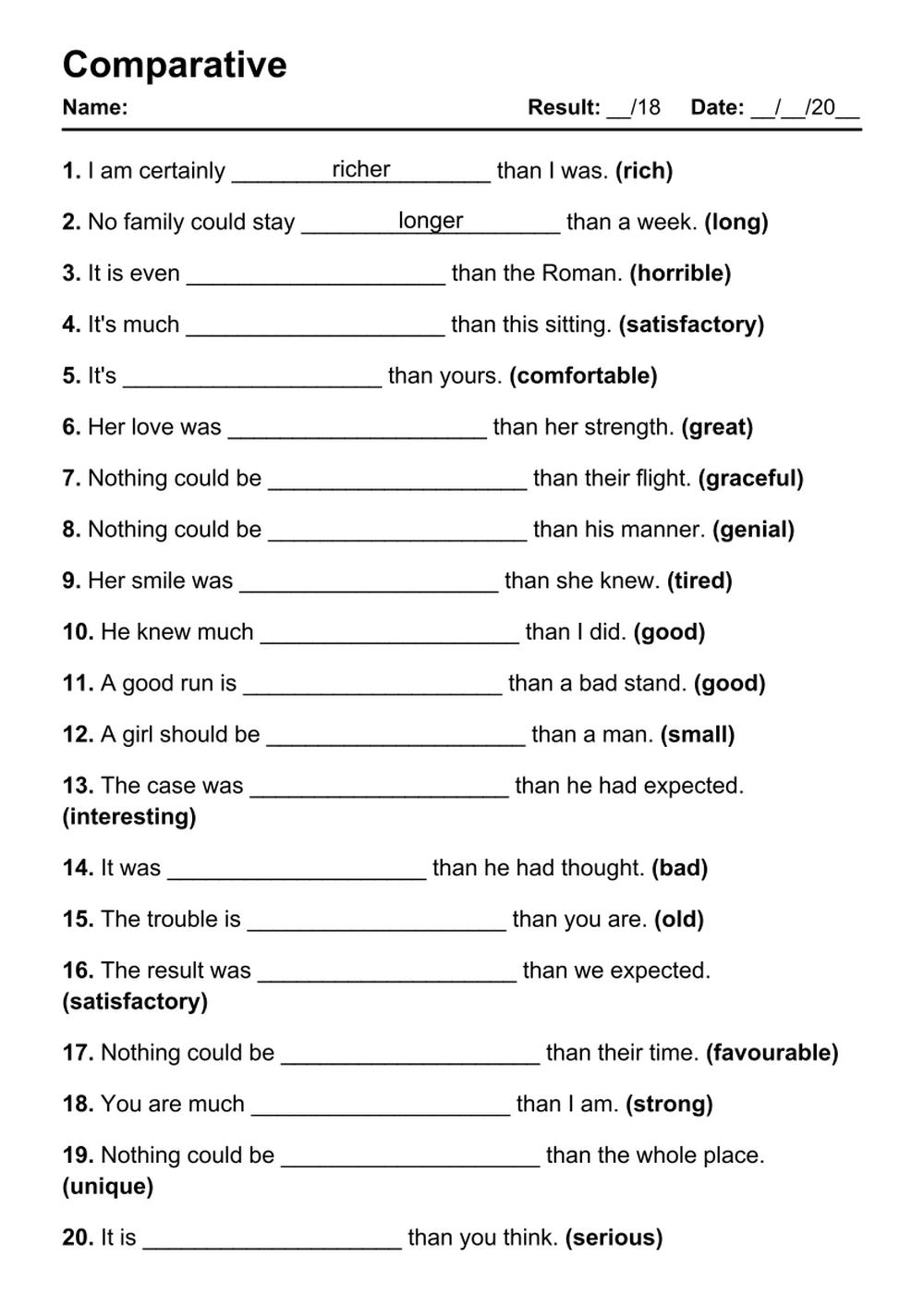
| Syntax Application | Ensuring correct subject-verb agreement | Highlight the noun and verb in complex sentences |
| Lexical Expansion | Replacing vague nouns with precise vocabulary | Draft original paragraphs using target words |
How to Use This Worksheet
Implementation requires a balanced approach combining independent practice with guided discussion. Instructors can distribute the printables during morning work routines, grammar stations, or as formative assessment tools to gauge baseline knowledge before launching creative writing units. Utilizing these resources as weekly review tasks helps cement irregular forms into long-term memory, while extension activities encourage learners to compile their own glossaries of unusual group terminology discovered in literature.
Practical Tips for Success
Preparation involves reviewing the answer key prior to distribution to anticipate common points of confusion regarding regional grammar variations. During execution, encourage learners to read sentences aloud to hear how subject-verb agreement sounds in context, which aids in identifying awkward phrasing. For extension, challenge advanced students to write a short story incorporating at least ten distinct collective nouns accurately, reinforcing practical application within narrative frameworks.
Stage-Appropriate Recommendations
According to the Common Core State Standards initiative for English Language Arts, foundational grammar mastery should scale systematically from early identification in elementary grades to advanced syntactical control in middle school. Beginners benefit from visual matching exercises focusing on familiar animal groups, while advanced learners tackle nuanced administrative and professional terms, such as a panel of experts or a board of directors, ensuring the curriculum grows alongside the learner’s developmental readiness.
Systematic grammar practice improves syntactic fluency by up to 28% in standardized writing assessments — National Council of Teachers of English
Frequently Asked Questions
Explore More Free Printable Resources
Supporting linguistic development requires access to diverse, high-quality educational materials that engage learners at every stage of their academic journey. Explore the complete collection of learning aids, practice sheets, and organizational tools available at Free Printable For You to build a comprehensive, engaging curriculum today.
Images References