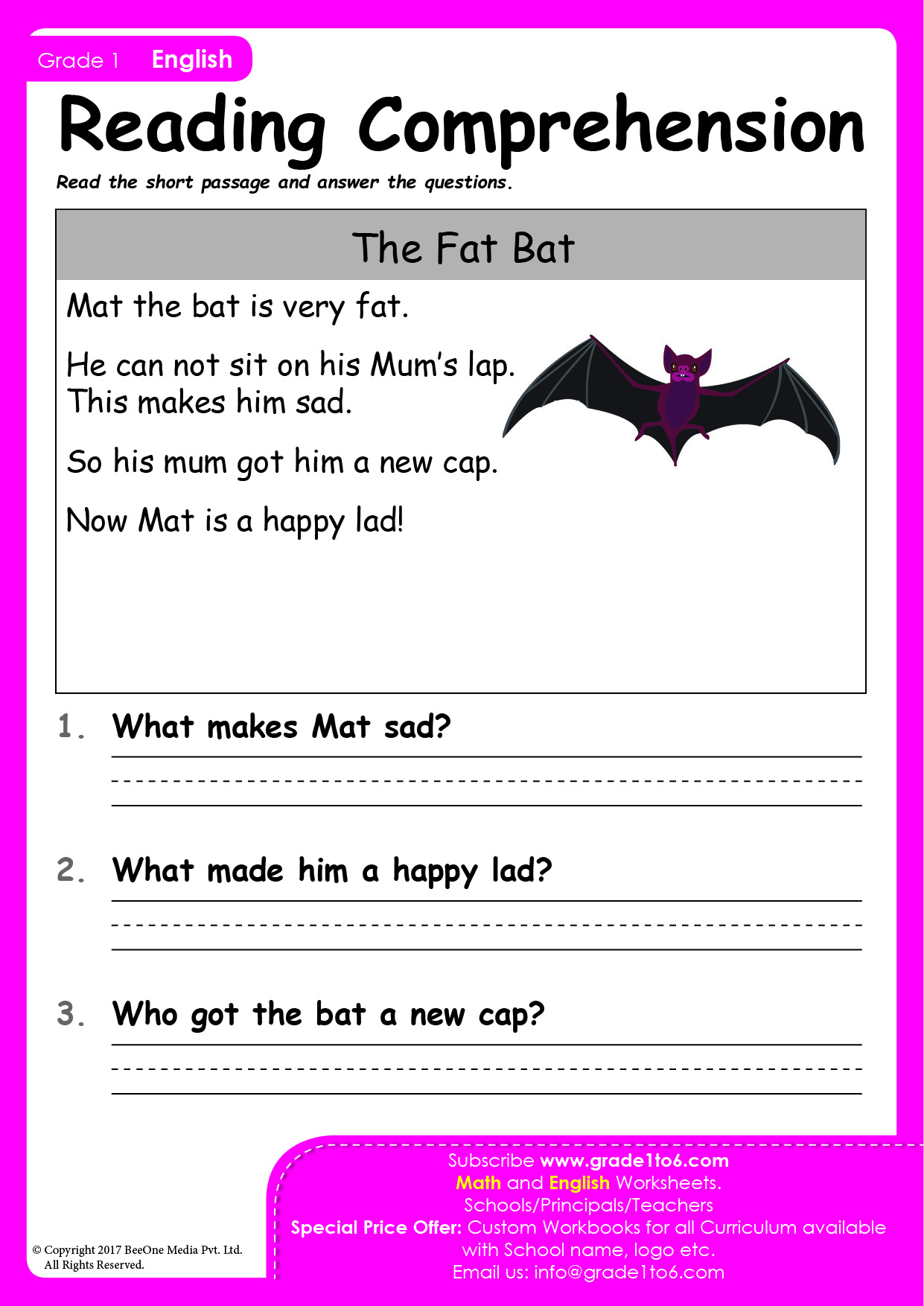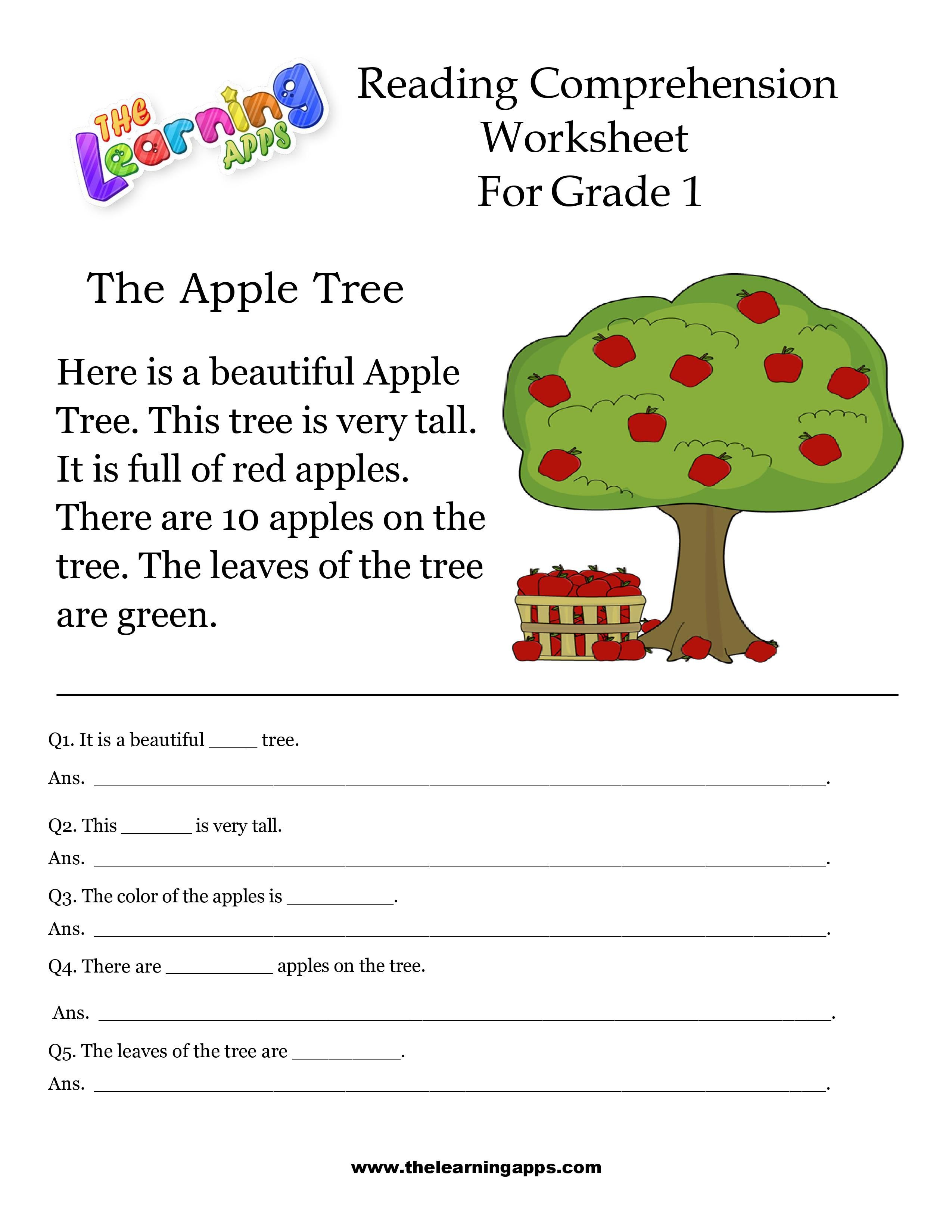
Introduction
Comprehension for class 1 bridges the critical gap between basic decoding and meaningful text interpretation, transforming early readers from mere callers of words into active thinkers. According to a study published by the National Institute of Child Health and Human Development, explicit instruction in reading strategies significantly enhances a young child’s ability to extract and retain meaning from simple texts. Establishing structured reading habits early creates a permanent foundation for lifelong literacy success. Integrating targeted Early Learning materials helps children connect visual symbols with concrete concepts, ensuring a smooth transition into independent reading.
Quick Key Takeaways:
- Core Focus: Developing fundamental text analysis and retrieval skills for six-year-old learners through structured reading exercises.
- Target User: Classroom educators, reading specialists, and parents guiding first-grade literacy development at home.
- Key Recommendation: Pair every reading passage with visual context clues and guided questioning to reinforce mental imagery.
What This Printable Covers
This structured resource focuses on developing literal comprehension, vocabulary acquisition, and basic inference-making through age-appropriate short stories and informational paragraphs. Learners engage with carefully leveled passages accompanied by multiple-choice questions, short-answer prompts, and sequential ordering activities. By isolating specific reading skills, the layout prevents cognitive overload while challenging students to look back at the text for evidence. These exercises naturally align with foundational Academic milestones mandated for primary grade progression.
Key Learning Outcomes
Students successfully utilizing these materials learn to identify explicit details such as who, what, when, and where within a narrative. They practice sequencing story events in chronological order, which directly strengthens logical reasoning and structural understanding. Additionally, learners expand their sight vocabulary and context-clue usage, enabling them to decipher unfamiliar words independently. These combined outcomes foster deep confidence and sustained engagement during reading sessions.
Overview & Skill Breakdown
| Focus Area | Target Skill | Best Practice |
|---|---|---|
| Literal Retrieval | Locating stated facts and details | Prompt learners to underline text evidence |
| Sequence & Logic | Ordering story events chronologically | Use visual picture cards before writing tasks |
| Inference | Drawing basic conclusions from clues | Ask open-ended prediction questions aloud |
How to Use This Worksheet
Implementation requires a balance of independent work and supported dialogue to maximize educational impact. Educators and parents can introduce the passage by discussing the title and illustrations to build background knowledge. Following a first read-aloud by the adult, students read the text independently or in pairs before tackling the accompanying questions. Utilizing a dedicated Worksheet format guarantees consistent practice routines across diverse learning environments.
Practical Tips for Success
Preparation involves scanning the text beforehand to pre-teach challenging vocabulary words that might hinder overall understanding. During execution, encourage active highlighting where learners mark where they found their answers directly on the page. For extension, prompt children to rewrite the ending of the story or draw a new illustration, which reinforces creative thinking and comprehensive retention.
Stage-Appropriate Recommendations
Early readers require differentiated approaches depending on their current decoding fluency and expressive language capabilities. Beginner learners benefit from sentence-level matching tasks and heavy visual reinforcement, whereas advanced first-graders thrive on short multi-paragraph narratives requiring written justifications. According to the National Association for the Education of Young Children (NAEYC) developmental framework, literacy activities for six-year-olds must integrate active participation and meaningful context to ensure genuine comprehension rather than rote memorization.
Explicit comprehension strategy instruction improves reading recall and text retention by up to 35 percent — National Institute of Child Health and Human Development
Frequently Asked Questions
Explore More Free Printable Resources
Expanding a child’s educational toolkit requires access to diverse, high-quality materials that support every stage of primary development. Browse the complete collection of learning aids and organizational tools available through Free Printable For You to elevate daily instruction and practice routines. Print today to equip young learners with the essential skills they need to excel academically.
Images References