Introduction
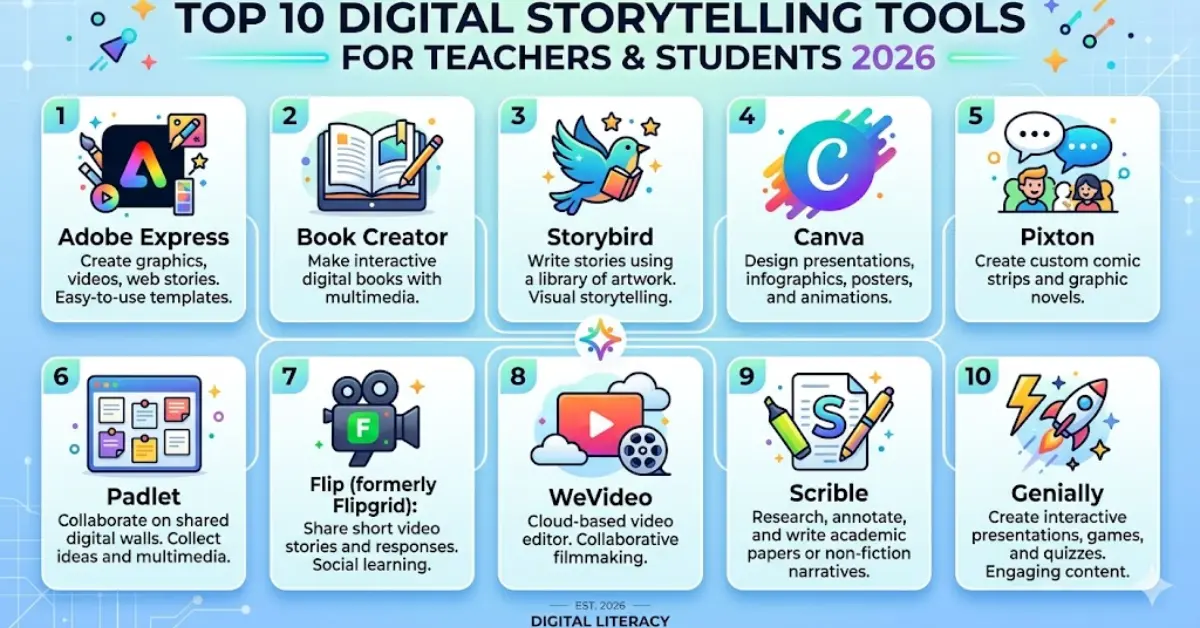
Digital storytelling tools for teachers bridge the gap between traditional literacy and modern multimedia expression, transforming static lesson plans into dynamic, interactive learning experiences. According to the Stanford History Education Group, digital media integration significantly enhances critical thinking and source evaluation among students by demanding active participation in content creation. When educators incorporate structured digital storytelling tools for teachers into everyday instruction, learners transition from passive consumers of information to active producers of knowledge. This pedagogical shift supports multimodal literacy development, empowering educators to address diverse learning styles within a single instructional framework. To maximize these benefits, structured planning frameworks and offline resources are frequently paired with digital media applications to streamline the narrative design process.
Quick Key Takeaways:
- Core Focus: Digital storytelling tools for teachers integrate multimedia production with core literacy curricula to elevate student engagement and comprehension.
- Target User: PreK-12 educators, instructional designers, and homeschooling parents seeking structured digital integration methods.
- Key Recommendation: Combine paper-based storyboards with software applications to ensure logical narrative progression before digital editing begins.
What This Printable Covers
This resource provides educators with structured storyboarding templates, narrative pacing guides, and multimedia asset-mapping charts designed to accompany digital storytelling tools for teachers. Grounded in the International Society for Technology in Education (ISTE) Standards for Educators, this material guides instructors through the systematic planning stages required for effective digital project-based learning. The layout accommodates various educational tracks, supporting Academic subjects like history and science, as well as creative writing modules. By establishing clear milestones for scriptwriting, voiceover recording, and visual selection, the printable eliminates technical overwhelm and keeps student projects focused on core learning objectives.
Key Learning Outcomes
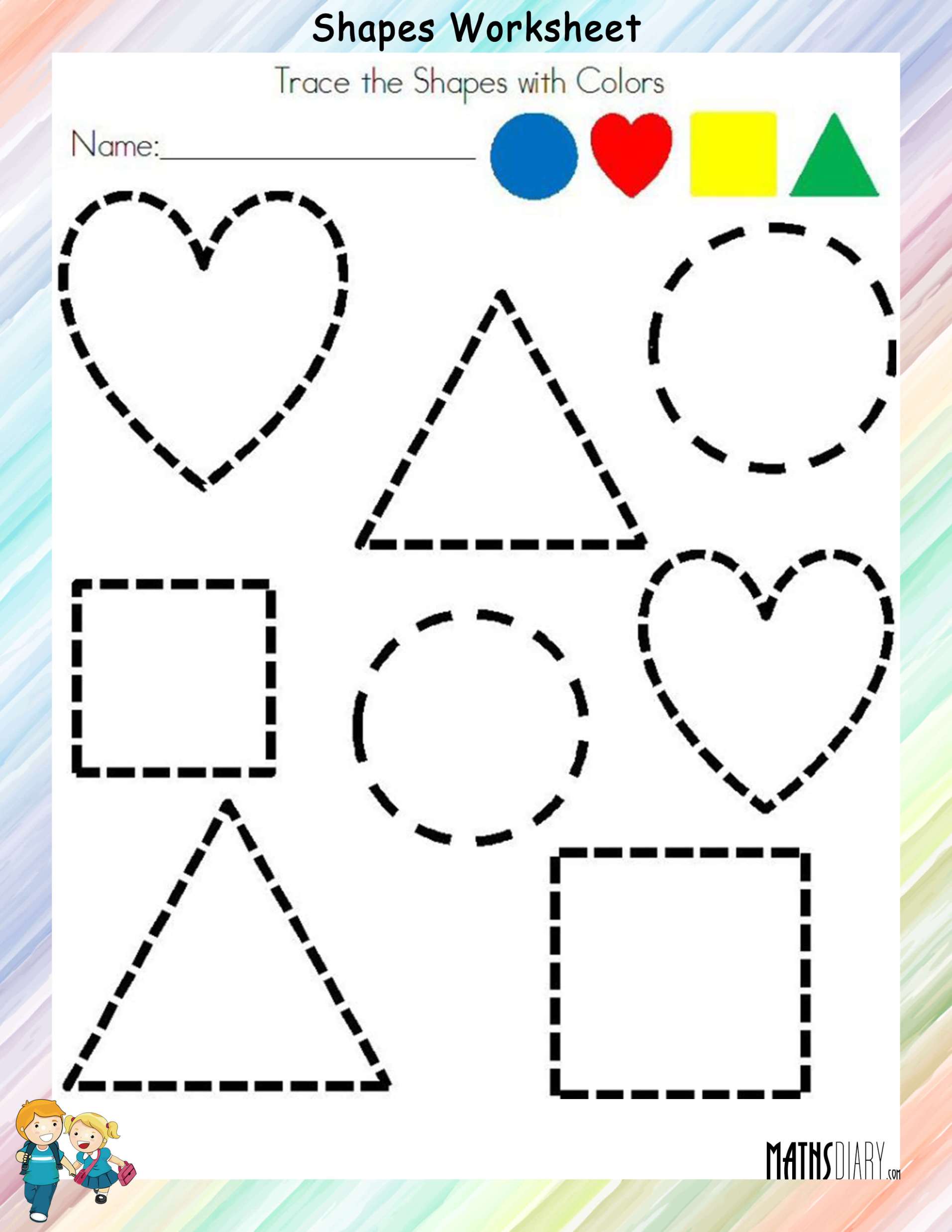
Learners systematically build media literacy by analyzing target audiences, selecting appropriate visual metaphors, and synthesizing complex information into concise narratives. Students master structural pacing by mapping out narrative arcs across multiple distinct media frames before executing final software edits. Furthermore, collaborative reflection prompts embedded within the exercises foster constructive peer review, encouraging learners to evaluate pacing, tone, and informational clarity. These foundational competencies reinforce traditional Worksheet exercises by connecting pencil-and-paper drafting directly to digital implementation.
Overview & Skill Breakdown
| Focus Area | Target Skill | Best Practice |
|---|---|---|
| Script Synthesis | Concise writing & editing | Draft scripts under 150 words per minute of media. |
| Visual Mapping | Metaphor selection & sequencing | Match specific imagery directly to key spoken audio points. |
| Audio Synchronization | Pacing & tone modulation | Record voiceovers in a sound-dampened space prior to assembly. |
How to Use This Worksheet
Educators introduce this resource during the initial ideation phase of a multimedia project, utilizing the structured grids to outline project goals and character arcs. Students complete the physical prompts to organize their thoughts, select necessary hardware, and draft audio-visual cues before touching a computer keyboard. This methodology proves especially valuable for Early Learning environments where tactile planning prevents sensory overload associated with complex software interfaces. Instructors can also adapt these materials for Administrative workflows, using the sequence frameworks to plan staff professional development modules or curriculum overviews.
Practical Tips for Success
Preparation begins by reviewing the physical planning sheets alongside the chosen software application to ensure feature compatibility and age appropriateness. During execution, encourage learners to sketch rough thumbnail images rather than searching for perfect digital graphics immediately, keeping the focus firmly on narrative structure. For extension activities, invite students to swap completed planning sheets for peer-editing sessions, ensuring that narrative gaps are identified and resolved before any digital recording takes place.
Stage-According Recommendations
According to the National Association for the Education of Young Children (NAEYC) guidelines on technology use, media tools in educational settings must be used intentionally to support active, creative engagement rather than passive entertainment. Beginner learners benefit from linear, three-panel storyboards that focus on simple beginning, middle, and end sequences. Advanced practitioners utilize multi-layered branching scripts and digital asset inventories that integrate copyright-free media sourcing and complex audio mixing, supporting continuous Personal Growth in digital citizenship and technical fluency.
Digital media integration significantly enhances critical thinking and source evaluation among students — Stanford History Education Group
Frequently Asked Questions
- How do I download these resources? Click the download link on the main page to instantly access the print-ready PDF file for classroom use.
- What is the practical benefit of this tool? It bridges analog planning and digital execution, reducing technical frustration and improving narrative focus.
- Which trusted frameworks support this design? This resource aligns directly with ISTE Standards and NAEYC technology integration guidelines.
Explore More Free Printable Resources
Discover an extensive collection of educational aids, planning guides, and creative templates designed to support modern teaching environments and lifelong learning journeys. Visit the complete Free Printable For You library today to find more tools that inspire creativity and elevate classroom instruction.
Images References