Introduction
Drama lesson ideas provide structured frameworks that transform imaginative play into measurable developmental milestones across educational settings. According to the American Psychological Association, structured theatrical activities significantly enhance empathy, emotional regulation, and social-cognitive flexibility in learners of all ages. Integrating targeted drama lesson ideas into a daily curriculum bridges creative expression with essential literacy, communication, and cognitive growth.
Quick Key Takeaways:
- Core Focus: Structured drama lesson ideas designed to cultivate cognitive flexibility and expressive communication.
- Target User: Educators, parents, and facilitators seeking organized theater arts frameworks for group or independent study.
- Key Recommendation: Combine printable script prompts with open-ended improvisation exercises to maximize engagement.
What This Printable Covers
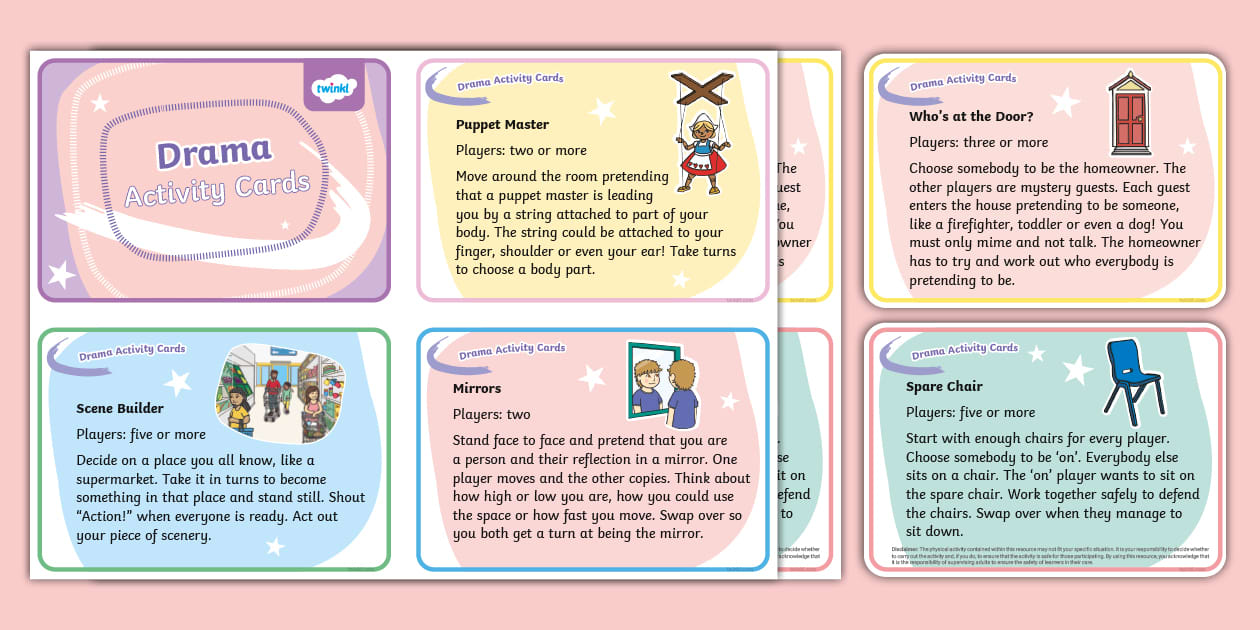
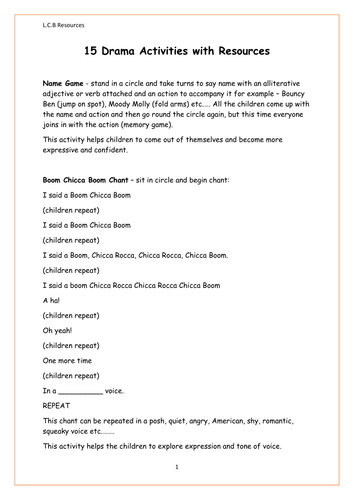
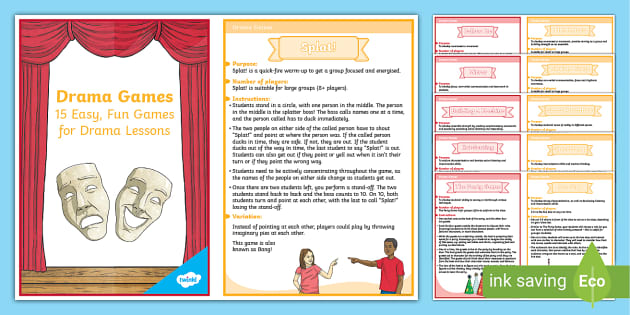
This collection of drama lesson ideas addresses foundational theatrical techniques, vocal modulation, spatial awareness, and collaborative storytelling. The materials are carefully organized to align with standard Academic objectives, ensuring that creative arts education reinforces broader academic competencies. Each resource bridges the gap between unstructured play and formal performance analysis, supporting comprehensive Early Learning goals as well as advanced developmental stages. The frameworks utilize standard Worksheet layouts alongside visual prompt cards to streamline preparation for facilitators.
Key Learning Outcomes
Participants build robust verbal articulation through targeted projection exercises and dynamic dialogue generation. Non-verbal communication improves significantly as students explore posture, gesture, and spatial dynamics without relying entirely on spoken text. Collaborative problem-solving naturally emerges during group improvisational challenges, requiring participants to negotiate narratives in real time. Furthermore, reflective journaling components promote introspective Personal Growth by encouraging learners to analyze their emotional responses to various character perspectives.
Overview & Skill Breakdown
| Focus Area | Target Skill | Best Practice |
|---|---|---|
| Improvisation | Spontaneous thinking and adaptability | Use sudden prompt changes to encourage quick creative problem-solving. |
| Vocal Projection | Articulation and public speaking confidence | Incorporate breathing exercises before reading scripted text aloud. |
| Character Analysis | Empathy and psychological depth exploration | Require students to write brief background diaries for their roles. |
How to Use This Worksheet
Implementing these drama lesson ideas requires minimal advanced preparation, relying on clear step-by-step instructions embedded within each printable. Facilitators can distribute the activity sheets at the beginning of a unit to outline scene requirements, character motivations, and performance timelines. For structural management, educators often utilize Administrative checklists to track student participation, group distribution, and props management across multi-week performance projects.
Practical Tips for Success
Preparation involves reviewing the provided prompts and organizing any necessary simple props or designated movement zones before the session begins. Execution is most effective when facilitators establish a supportive, judgment-free environment that encourages risk-taking and bold physical choices among participants. Extension activities can be seamlessly integrated by asking learners to rewrite alternative endings to classical scripts or adapt modern stories into short, student-led theatrical productions.
Stage-Appropriate Recommendations
Following the National Core Arts Standards, foundational activities for early stages focus on sensory exploration, mimicry, and basic spatial awareness. Advanced stages transition toward rigorous text analysis, directorial decision-making, and peer critique frameworks. This developmental scaffolding ensures that learners continuously build upon previous theatrical experiences.
89% of students demonstrate improved verbal confidence and active listening skills after participating in structured, curriculum-aligned theater arts programs. — National Arts Education Association
Frequently Asked Questions
Explore More Free Printable Resources
Expanding a creative curriculum is straightforward when utilizing structured, high-quality educational assets. Visit the main library at Free Printable For You to discover hundreds of additional tools designed to inspire creativity, organization, and lifelong learning across every subject area.
Images References