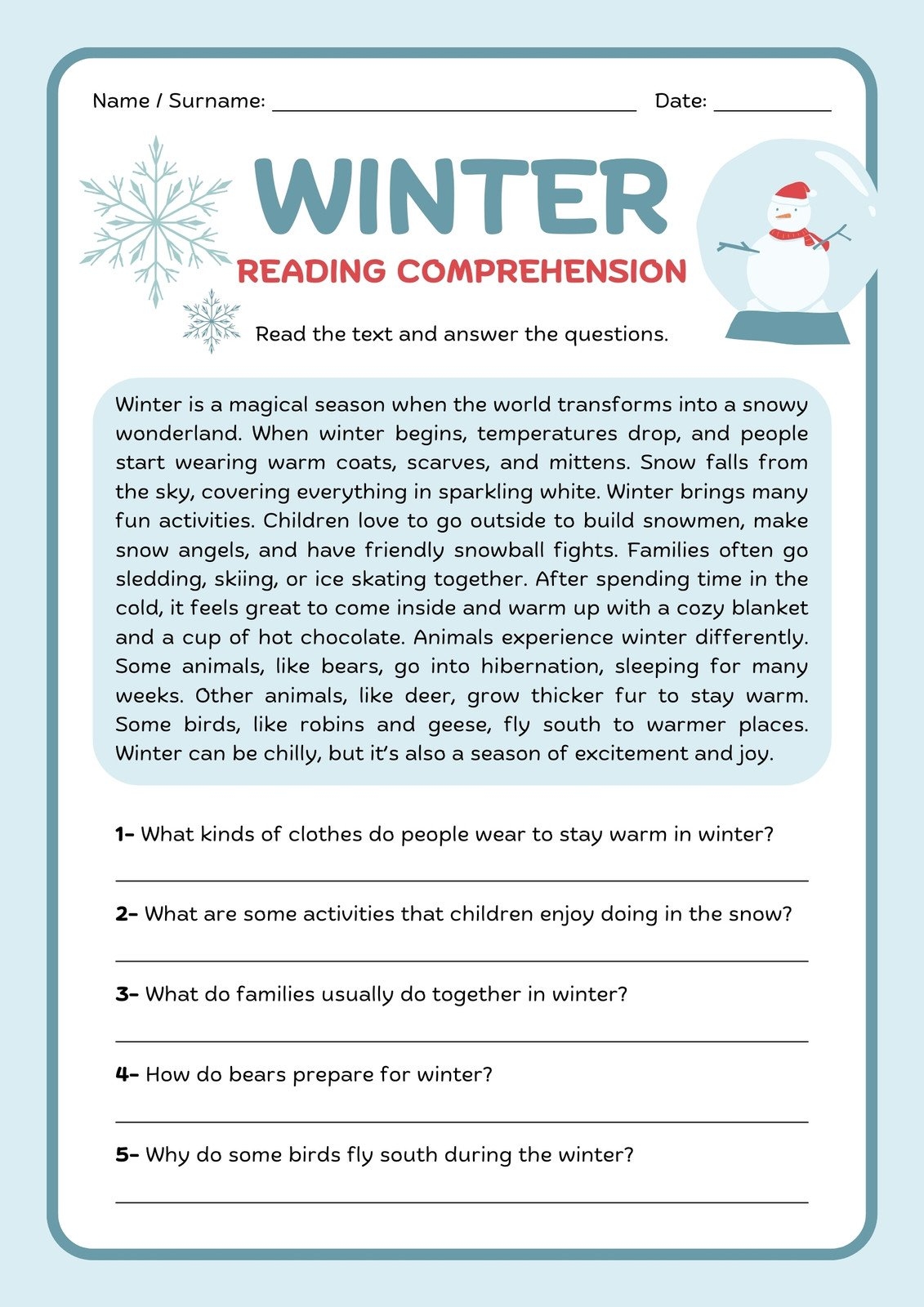
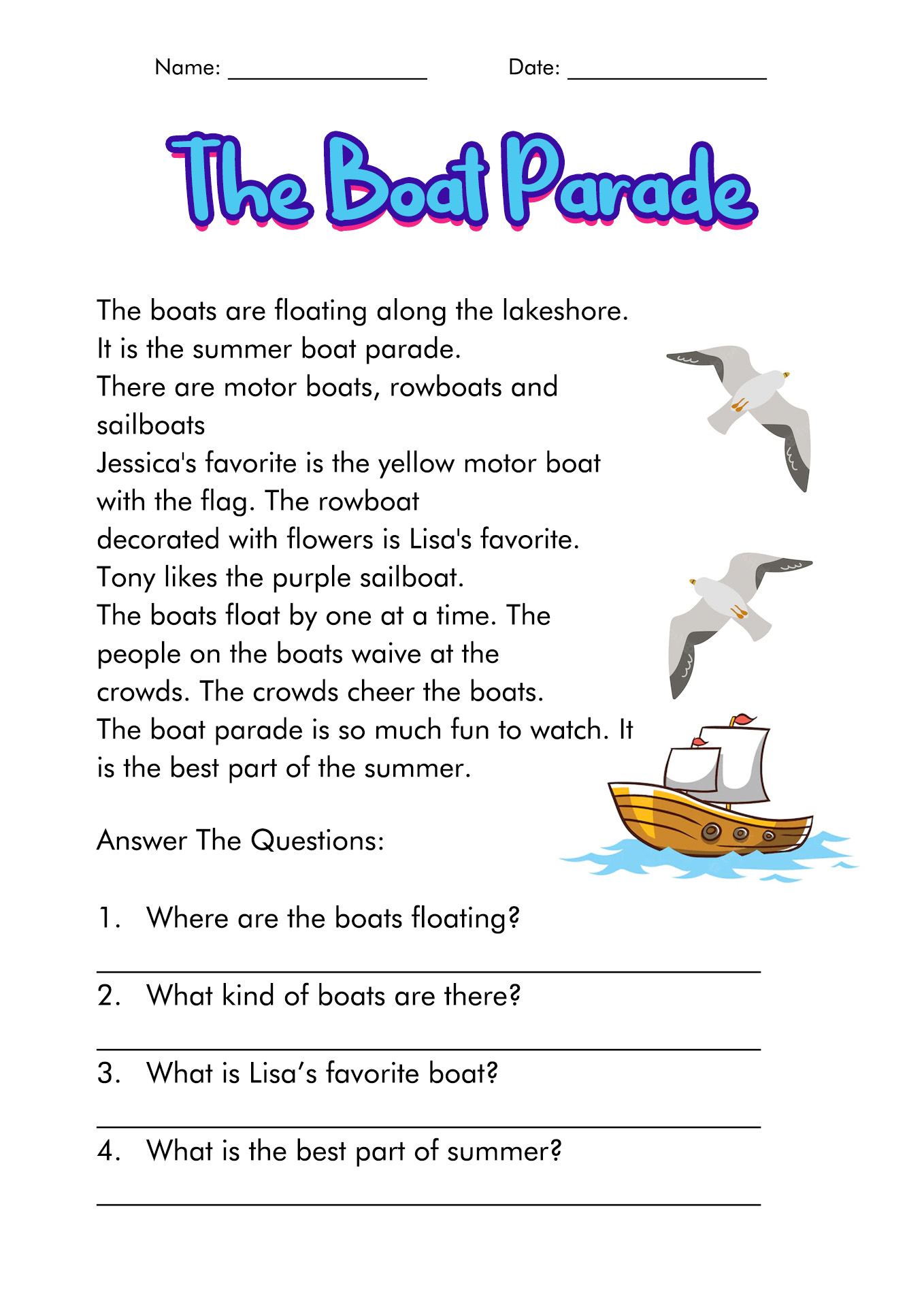
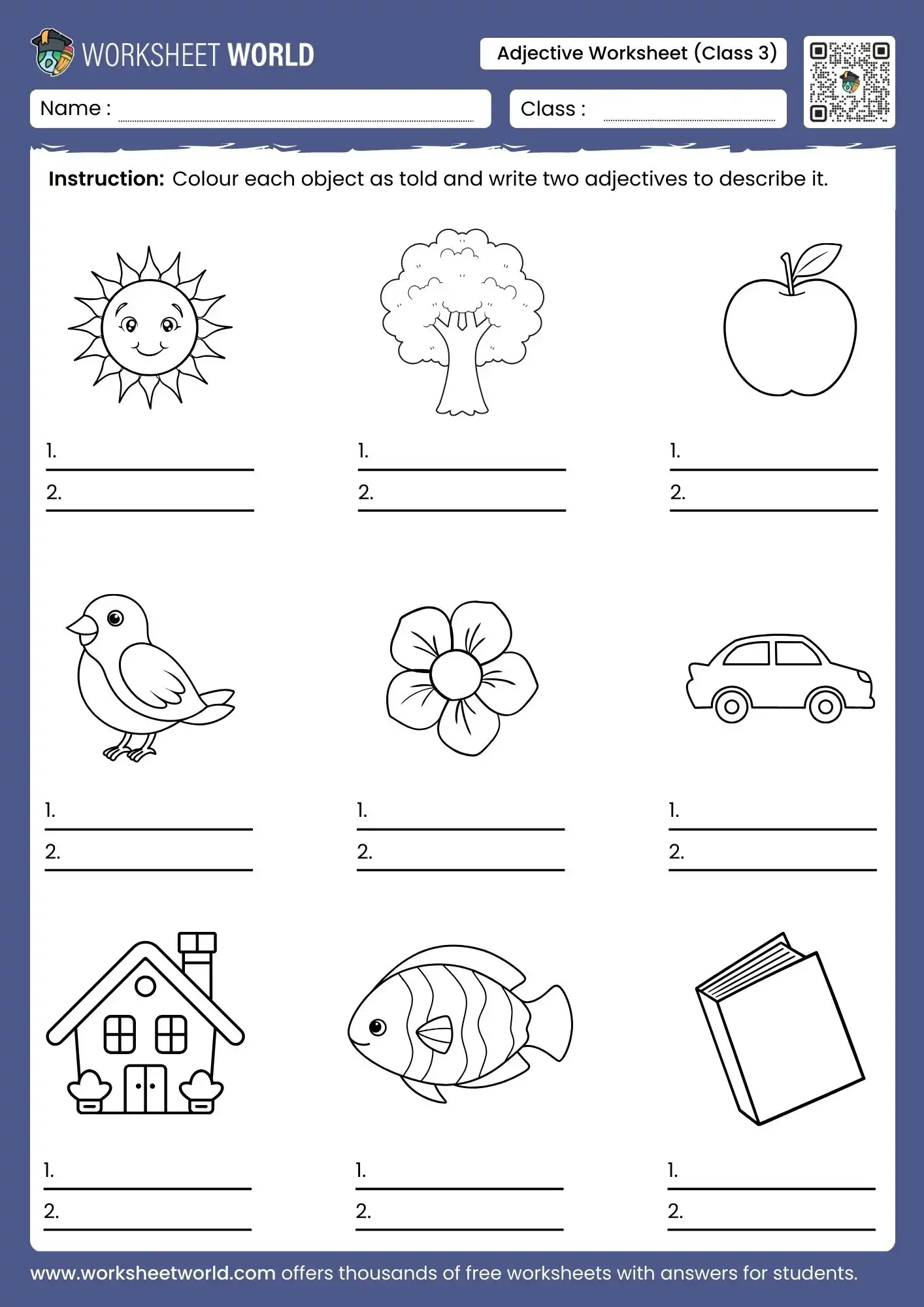
Introduction
English comprehension for class 3 marks a pivotal transition from learning-to-read to reading-to-learn, requiring structured text engagement that bridges literal decoding with higher-order analytical thinking. According to the National Endowment for the Arts, children who actively engage in structured reading comprehension exercises during their primary school years demonstrate significantly higher academic retention across all core disciplines. Mastering english comprehension for class 3 equips young learners with the essential ability to extract explicit details, draw logical inferences, and interpret unfamiliar vocabulary within context. Deploying systematic Academic resources helps educators and parents scaffold this cognitive leap efficiently.
Quick Key Takeaways:
- Core Focus: English comprehension for class 3 builds critical text analysis, inference, and vocabulary expansion through targeted reading passages.
- Target User: Designed for third-grade classrooms, homeschooling environments, and structured tutoring sessions.
- Key Recommendation: Pair narrative and informational texts with guided questioning worksheets to reinforce comprehension depth.
What This Printable Covers
This curated material centers on strengthening reading fluency and analytical capacity through diverse text genres tailored to eight- and nine-year-old learners. The curriculum aligns with foundational literacy standards, ensuring children transition seamlessly from simple sentence verification to multi-step analytical tasks. Learners encounter a balance of fiction and non-fiction excerpts designed to stimulate curiosity while demanding rigorous text-based evidence for every answered question. Related guide: Uisd Substitute Teacher.
Key Learning Outcomes
Students master the ability to locate specific text evidence rapidly, distinguishing clearly between direct statements and implied meanings within a narrative. Furthermore, the exercises cultivate contextual vocabulary acquisition, teaching learners to deduce the definitions of unfamiliar words using surrounding textual clues. Another primary outcome involves summarizing main ideas accurately, enabling students to distill lengthy paragraphs into concise, coherent statements without losing essential plot points or factual information.
Overview & Skill Breakdown
| Focus Area | Target Skill | Best Practice |
|---|---|---|
| Literal Retrieval | Locating exact facts and details | Highlight keywords in questions before scanning the text. |
| Inferential Thinking | Reading between the lines | Encourage students to justify answers using text clues. |
| Vocabulary in Context | Defining unknown words | Analyze surrounding sentence structures before guessing meanings. |
How to Use This Worksheet
Implementation requires a balanced approach combining independent reading with collaborative discussion to maximize cognitive engagement. Instructors can distribute the printables during morning literacy blocks, dedicated reading intervention groups, or structured homeschool sessions. To complement these literacy materials, exploring targeted Worksheet collections ensures a comprehensive skill-building routine throughout the academic year.
Practical Tips for Success
Preparation involves reviewing the reading passage beforehand to pre-identify complex vocabulary and formulate supplementary discussion prompts. During execution, encourage students to read the questions prior to tackling the text so that active reading strategies guide their initial review. For extension, prompt learners to write alternative endings or generate their own comprehension questions based on the passage themes.
Stage-Appropriate Recommendations
According to the Common Core State Standards framework for grade-level progression, third-grade reading tasks should systematically advance from answering who, what, where, and why questions to determining the central message and explaining how it is supported by key details. Beginner readers benefit from shorter paragraphs accompanied by visual cues and literal-heavy inquiries, while advanced learners thrive on complex informational texts requiring multi-step logical deductions and comparative analysis across two distinct passages.
Students engaging with structured reading comprehension materials show measurable gains in critical thinking and standardized reading assessments — National Endowment for the Arts
Frequently Asked Questions
Explore More Free Printable Resources
Enhance daily educational planning by exploring the complete library at Free Printable For You. Alongside literacy aids, discover valuable tools for organization and productivity, including helpful templates found in the Administrative category.
Images References