Introduction
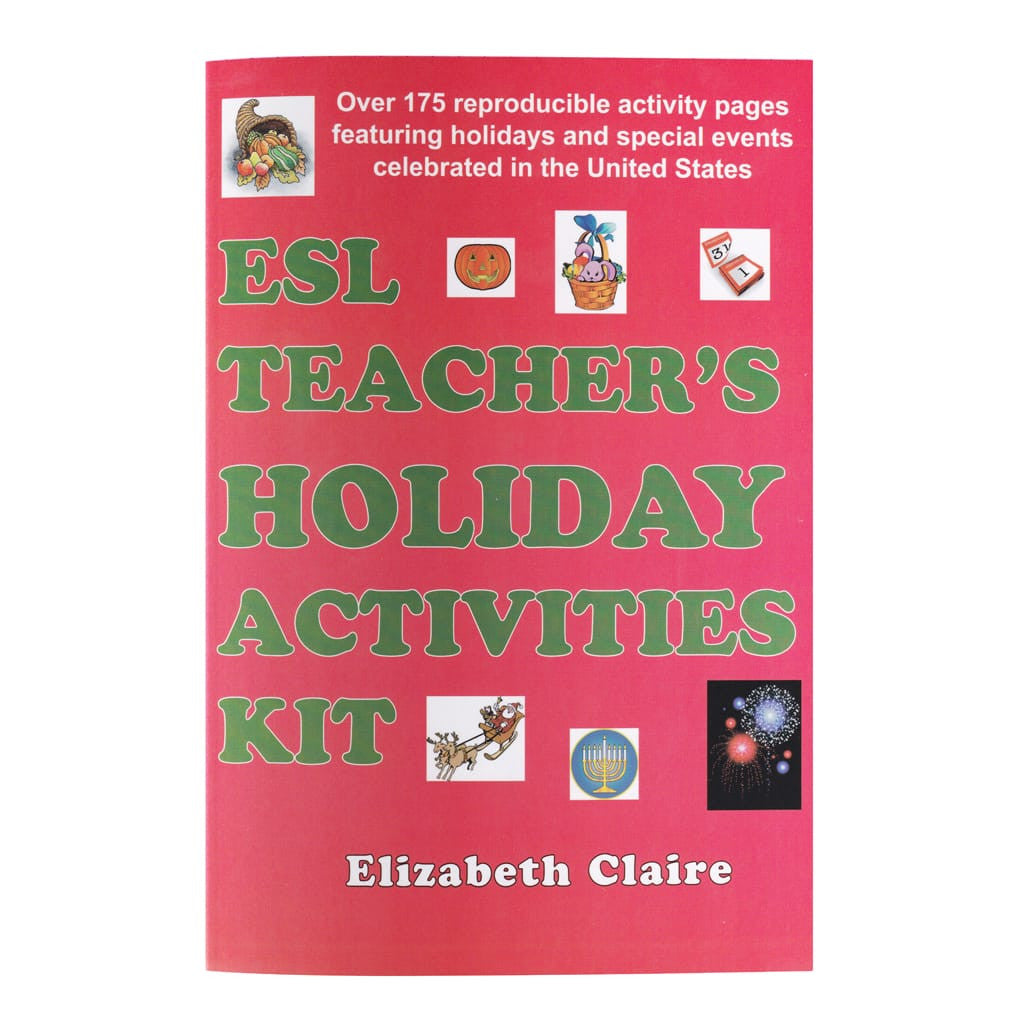
An esl teacher’s activities kit serves as an essential pedagogical repository designed to streamline lesson planning and enhance second language acquisition in diverse classrooms. According to research published by Cambridge University Press, structured task-based language teaching significantly improves conversational fluency and grammatical retention among non-native speakers compared to traditional rote memorization. This comprehensive resource bridges the gap between theoretical linguistic frameworks and practical classroom application, offering educators a versatile toolkit to engage learners at varying proficiency levels. By integrating targeted Academic drills alongside dynamic group exercises, instructors can cultivate an immersive and responsive learning environment.
Quick Key Takeaways:
- Core Focus: An esl teacher’s activities kit provides a structured collection of printable language games, conversation prompts, and grammar exercises.
- Target User: Language instructors, homeschool educators, and tutors working with multilingual students in kindergarten through adult education.
- Key Recommendation: Laminate reusable components and categorize materials by proficiency level to maximize instructional flexibility.
What This Printable Covers
The materials contained within an esl teacher’s activities kit systematically address the four core language domains: listening, speaking, reading, and writing. Content spans foundational phonics and vocabulary building for beginners, progressing toward complex syntax, idiomatic expressions, and pragmatic discourse for advanced students. Designed to support structural lesson frameworks, the kit incorporates visual aids, role-play scenarios, and interactive task sheets that promote cooperative learning. Educators utilizing these resources can seamlessly transition from teacher-centered instruction to student-led collaborative practice, fostering autonomous language acquisition. Related guide: Free Online Tools For Teaching And Learning.
Key Learning Outcomes
Targeted engagement with these printables yields measurable improvements in lexical diversity and oral communicative competence. Students develop enhanced phonological awareness, enabling accurate pronunciation of challenging target sounds. Furthermore, structured written tasks reinforce sentence structure and mechanical accuracy, while communicative pair-work activities boost real-time conversational confidence. Ultimately, learners acquire practical linguistic tools necessary for academic success and daily social navigation.
Overview & Skill Breakdown
| Focus Area | Target Skill | Best Practice |
|---|---|---|
| Vocabulary Acquisition | Lexical recall and categorization | Pair visual flashcards with context sentences |
| Oral Fluency | Spontaneous dialogue and negotiation of meaning | Utilize information-gap and role-play tasks |
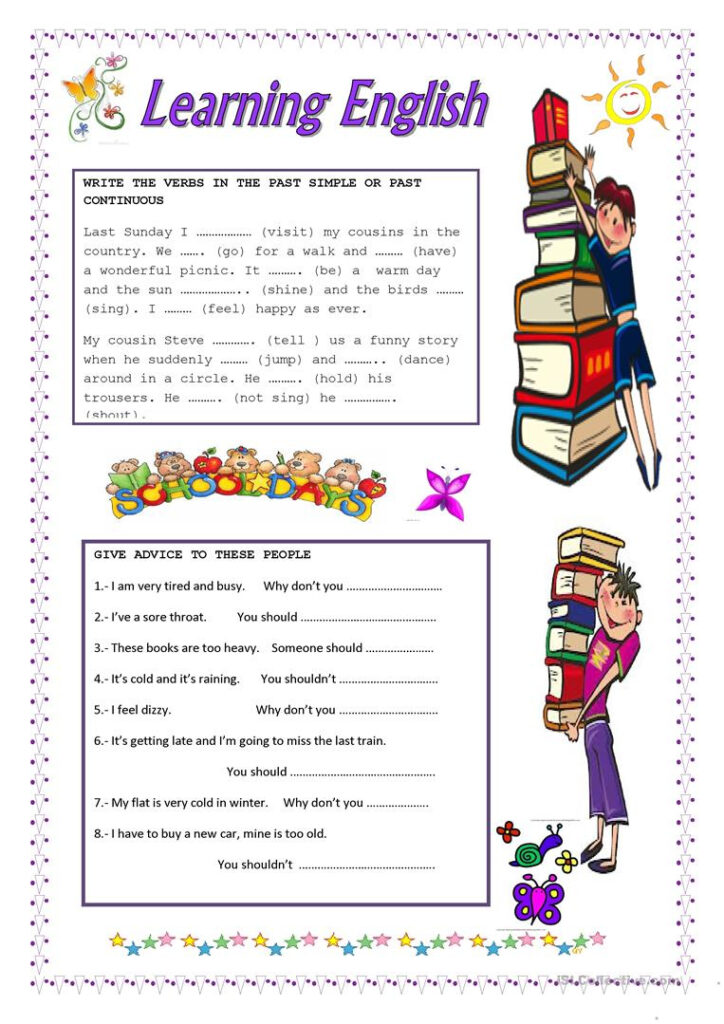
| Grammar Mechanics | Syntactic accuracy and tense consistency | Incorporate guided Worksheet practice |
How to Use This Worksheet
Successful implementation of an esl teacher’s activities kit relies on careful pre-assessment of learner proficiency and clear modeling of expected tasks. Instructors should introduce target vocabulary or grammar concepts prior to distributing handouts, ensuring all participants understand the underlying linguistic goals. Materials can be deployed during warm-up routines to activate prior knowledge, utilized as core independent practice during station rotations, or assigned as targeted homework for remediation. Flexibility remains paramount, allowing educators to adapt pacing and complexity based on real-time classroom formative assessment data.
Practical Tips for Success
Preparation involves organizing printables into durable binders or color-coded folders labeled by linguistic skill and difficulty tier. During execution, encourage peer scaffolding by pairing developing speakers with more proficient language partners to foster collaborative dialogue. Extension activities can include having learners transform written worksheet prompts into dramatic dialogues or digital presentations, thereby deepening cognitive processing and long-term retention of target structures.
Stage-Appropriate Recommendations
Adapting activities to developmental milestones is essential for effective language instruction, aligning closely with the TESOL Pre-K-12 English Language Proficiency Standards. For beginner levels, focus heavily on visual association, total physical response (TPR), and high-frequency vocabulary acquisition to build foundational confidence. Intermediate and advanced stages should transition toward content-based instruction, complex reading comprehension, and formal writing genres found within a robust Administrative or academic planning framework.
Task-based language teaching significantly improves conversational fluency and grammatical retention among non-native speakers. — Cambridge University Press
Frequently Asked Questions
Explore More Free Printable Resources
Enhance your instructional planning by exploring additional targeted materials across various educational disciplines. Discover supplementary tools for personal development at Personal Growth, foundational concepts via Early Learning, and a comprehensive library of classroom resources by visiting Free Printable For You today.
Images References