Introduction
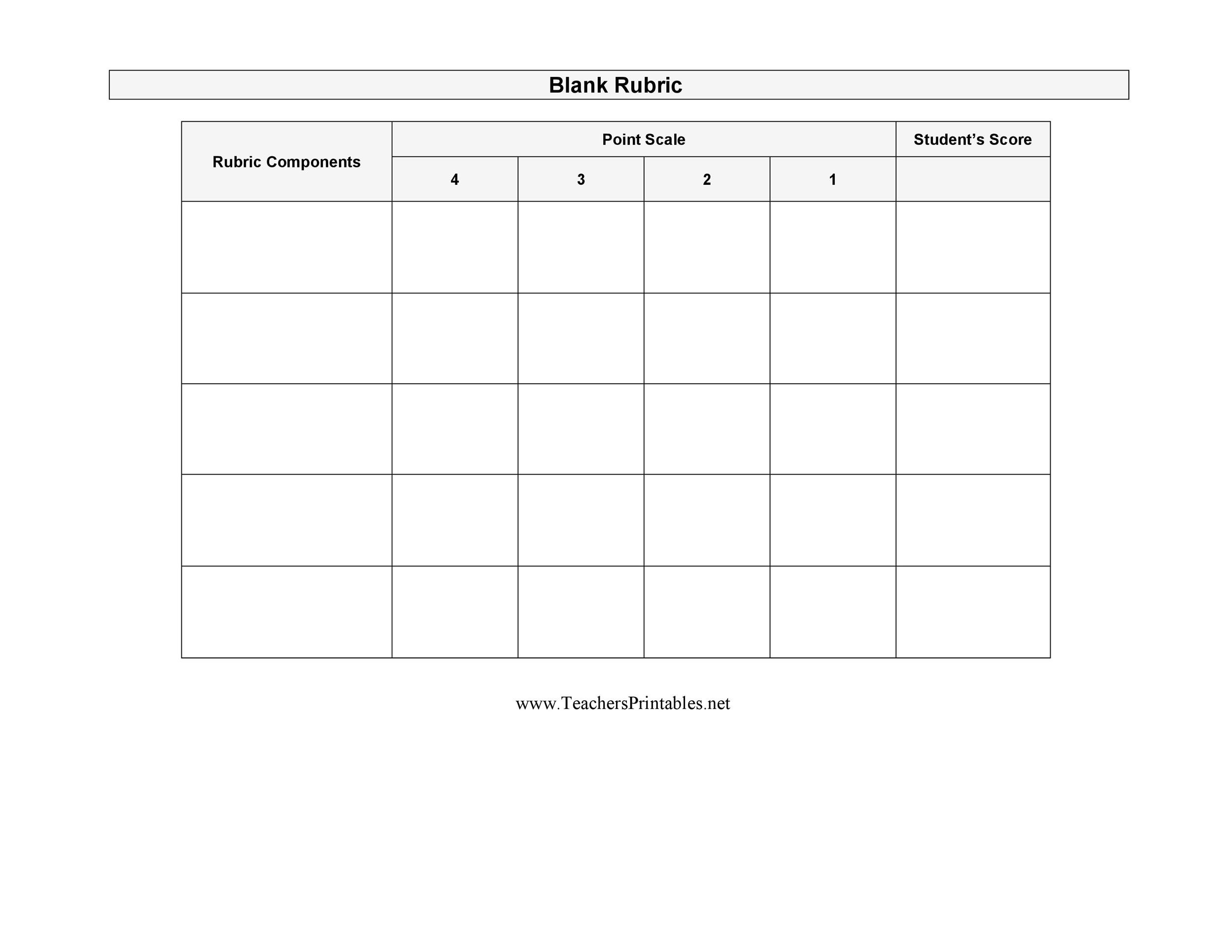
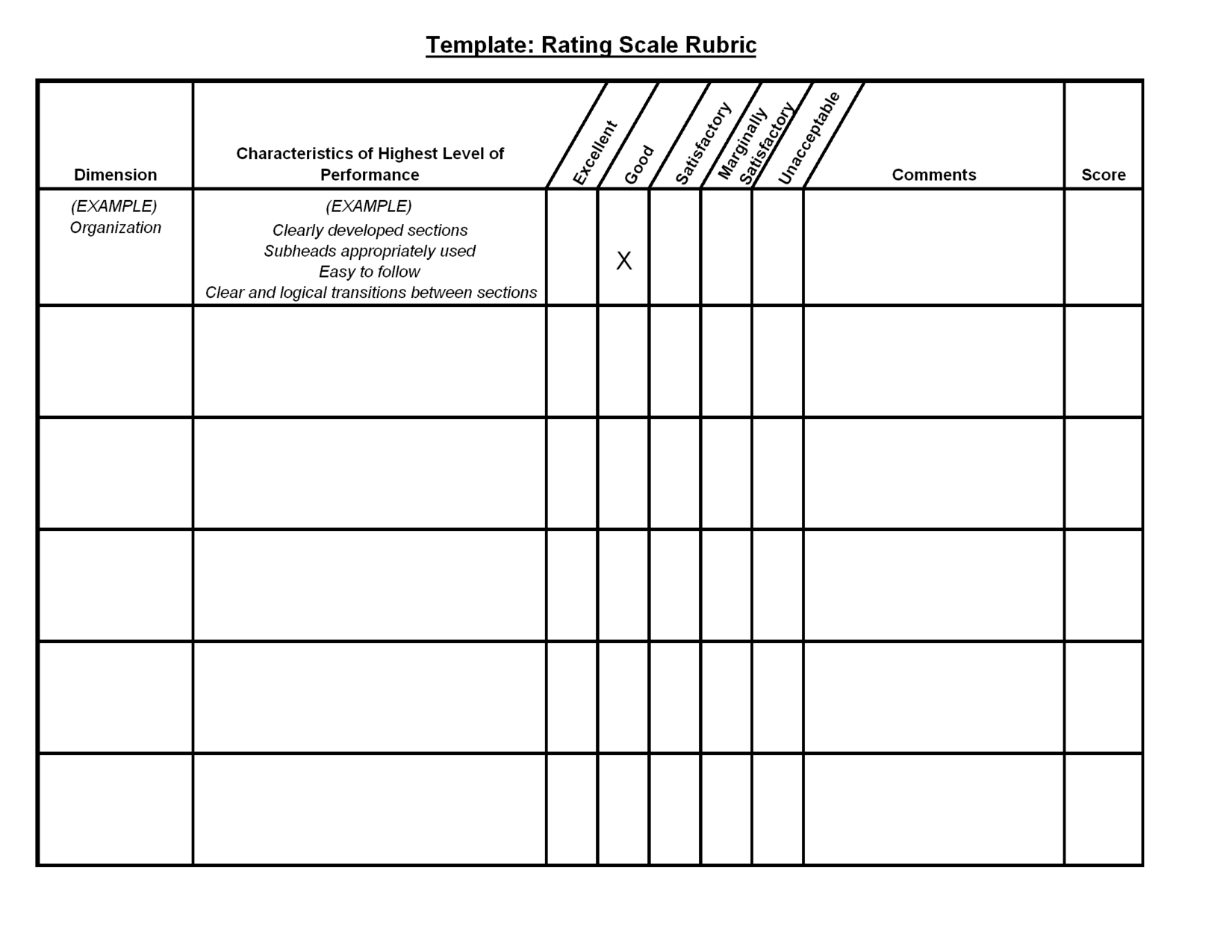
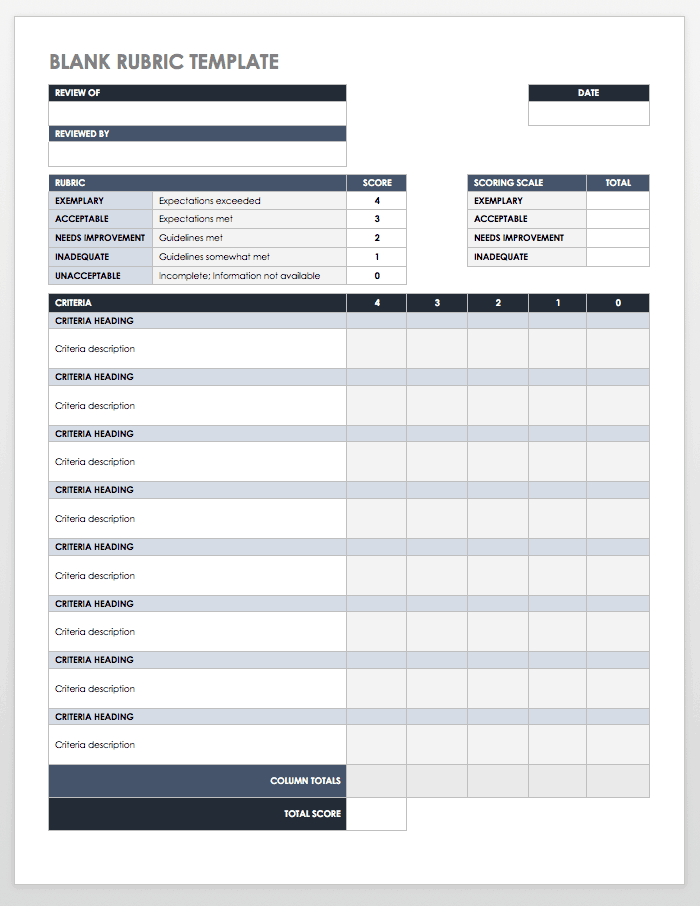
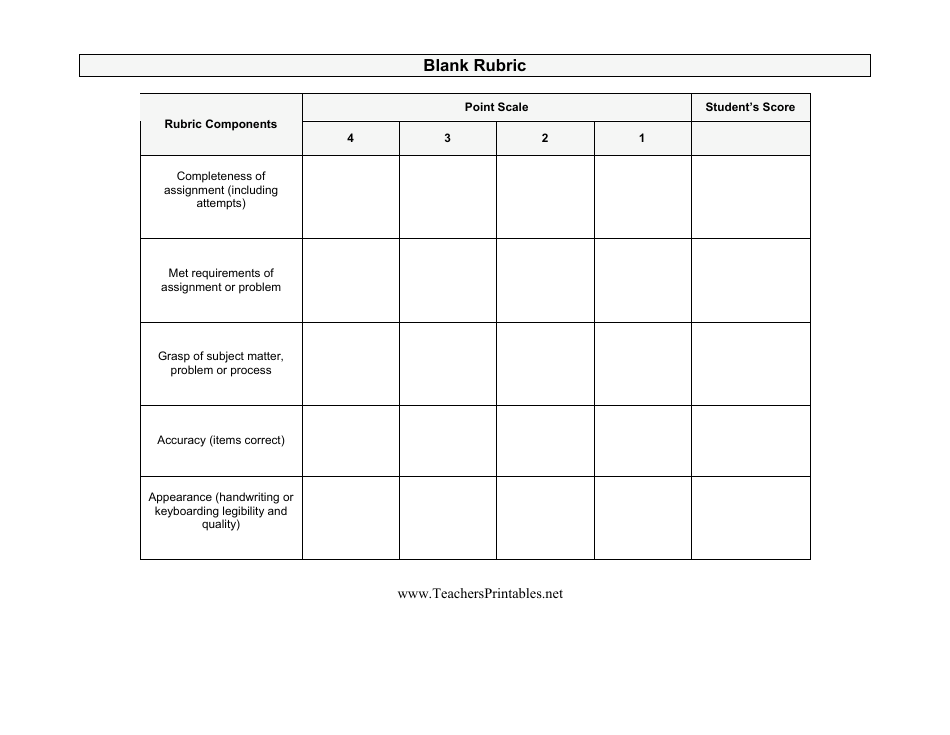
Free blank rubric templates for teachers provide customizable scoring grids that streamline assessment design and establish transparent performance criteria across diverse educational settings. According to the Marzano Research framework on effective grading, explicit scoring guides significantly improve student achievement by clarifying expectations before assignments begin. Incorporating structured evaluation tools into instructional routines minimizes grading bias and ensures consistent feedback delivery. Educational professionals, homeschooling parents, and corporate trainers utilize these versatile documents to evaluate written essays, oral presentations, collaborative projects, and skill-based portfolios efficiently.
Quick Key Takeaways:
- Core Focus: Free blank rubric templates for teachers offer adaptable, structured frameworks for objective performance evaluation.
- Target User: Educators, administrators, and instructors managing multidimensional student assignments.
- Key Recommendation: Define explicit performance levels before distributing the assessment criteria to learners.
What This Printable Covers
These customizable assessment matrices cover multiple grading dimensions, including analytic grids, holistic scoring scales, and single-point evaluations aligned with professional standards. Alignment with established pedagogical guidelines ensures that every evaluation metric targets specific cognitive, affective, or psychomotor domains. Users can easily adapt categories to measure critical thinking, mechanical accuracy, creativity, and collaboration without redesigning foundational layouts. Navigating the comprehensive Administrative category reveals supplementary tools designed to support efficient educator workflow and classroom organization.
Key Learning Outcomes
Learners gain a transparent understanding of performance expectations, allowing them to self-monitor progress and identify areas requiring targeted improvement. Educators achieve higher consistency in grading across large cohorts while drastically reducing the time spent writing repetitive student feedback. Additionally, these structured assessment grids foster objective communication during parent-teacher conferences by providing concrete evidence of student mastery. Exploring resources within the Academic section further enhances instructional design through targeted practice materials.
Overview & Skill Breakdown
| Focus Area | Target Skill | Best Practice |
|---|---|---|
| Criteria Definition | Identifying core competencies | Use observable, action-oriented verbs for each benchmark level. |
| Performance Scaling | Measuring depth of understanding | Establish a consistent three- to five-tier rating scale. |
| Feedback Delivery | Actionable communication | Highlight specific strengths and precise areas for student growth. |
How to Use This Worksheet
Effective implementation begins by identifying the primary learning objectives of an assignment and selecting a layout style—such as analytic or holistic—that matches the evaluation goals. Educators input specific criteria into the blank rows and assign descriptive performance descriptors across the columns before printing or sharing the digital file. Students review the criteria sheet prior to beginning their work to ensure complete alignment with the grading expectations. Additional resources for skill reinforcement can be found by browsing the general Worksheet library.
Practical Tips for Success
Preparation involves collaborating with peers or students to co-create evaluation categories, which fosters greater investment in the learning process. Execution requires referencing the completed matrix consistently during grading to maintain absolute fairness and reliability. Extension activities include encouraging learners to utilize the blank templates for peer review sessions, thereby strengthening their analytical evaluation skills.
Stage-Appropriate Recommendations
For early childhood and foundational stages, simpler three-tier smiley-face or descriptive scales work best to keep expectations accessible, aligning closely with National Association for the Education of Young Children (NAEYC) guidelines. According to NAEYC, young learners benefit most from visual, highly concrete feedback models that emphasize developmental progress over punitive grading. Advanced secondary and higher education environments require detailed analytic grids with granular point distributions to evaluate complex analytical reasoning and multifaceted project outcomes.
Explicit scoring guides significantly improve student achievement by clarifying expectations before assignments begin — Marzano Research
Frequently Asked Questions
Explore More Free Printable Resources
Optimizing educational workflows requires access to a diverse array of organizational tools, assessment grids, and activity sheets tailored for modern classrooms. Educators, parents, and lifelong learners can discover an extensive selection of downloadable aids by visiting the main library at Free Printable For You. Print today.
Images References