Introduction
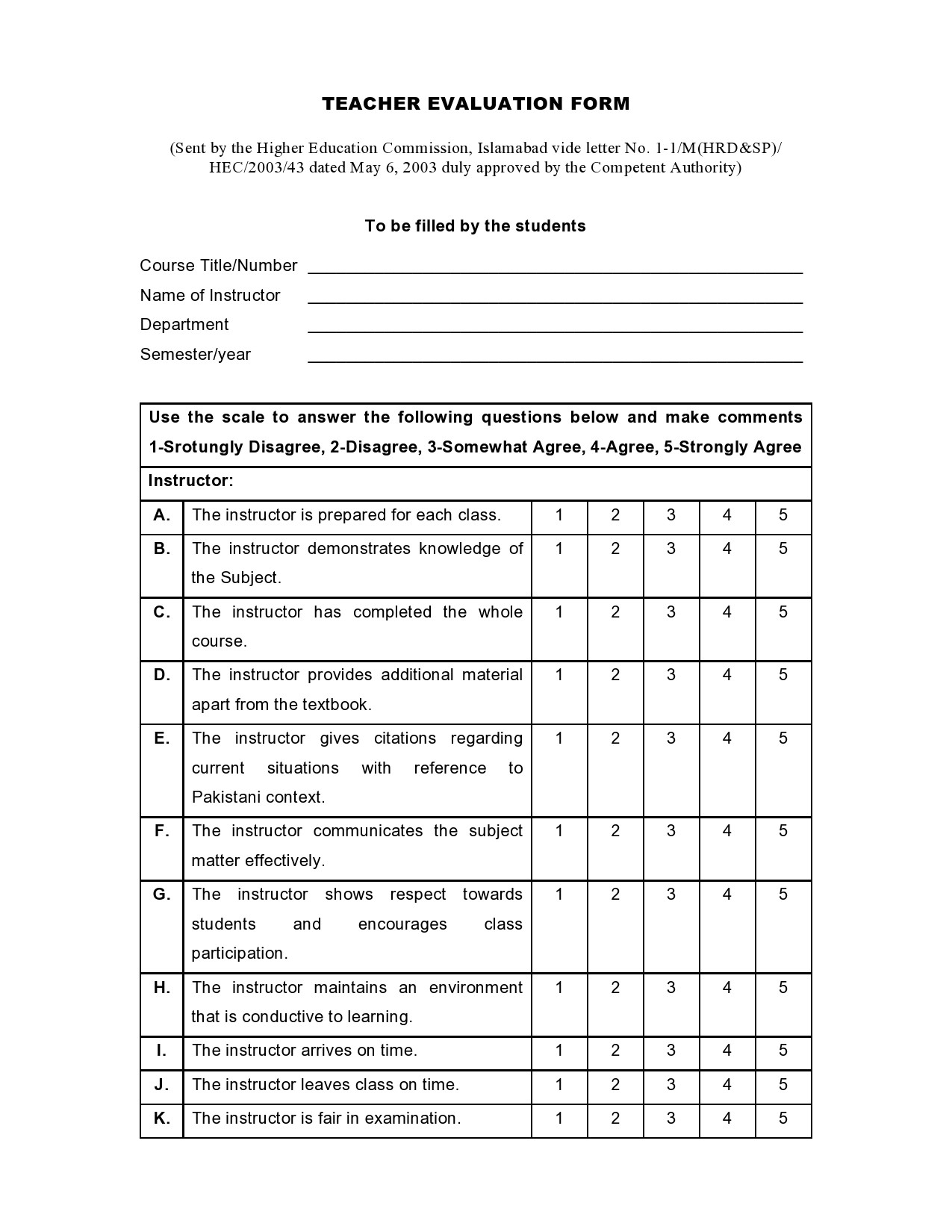
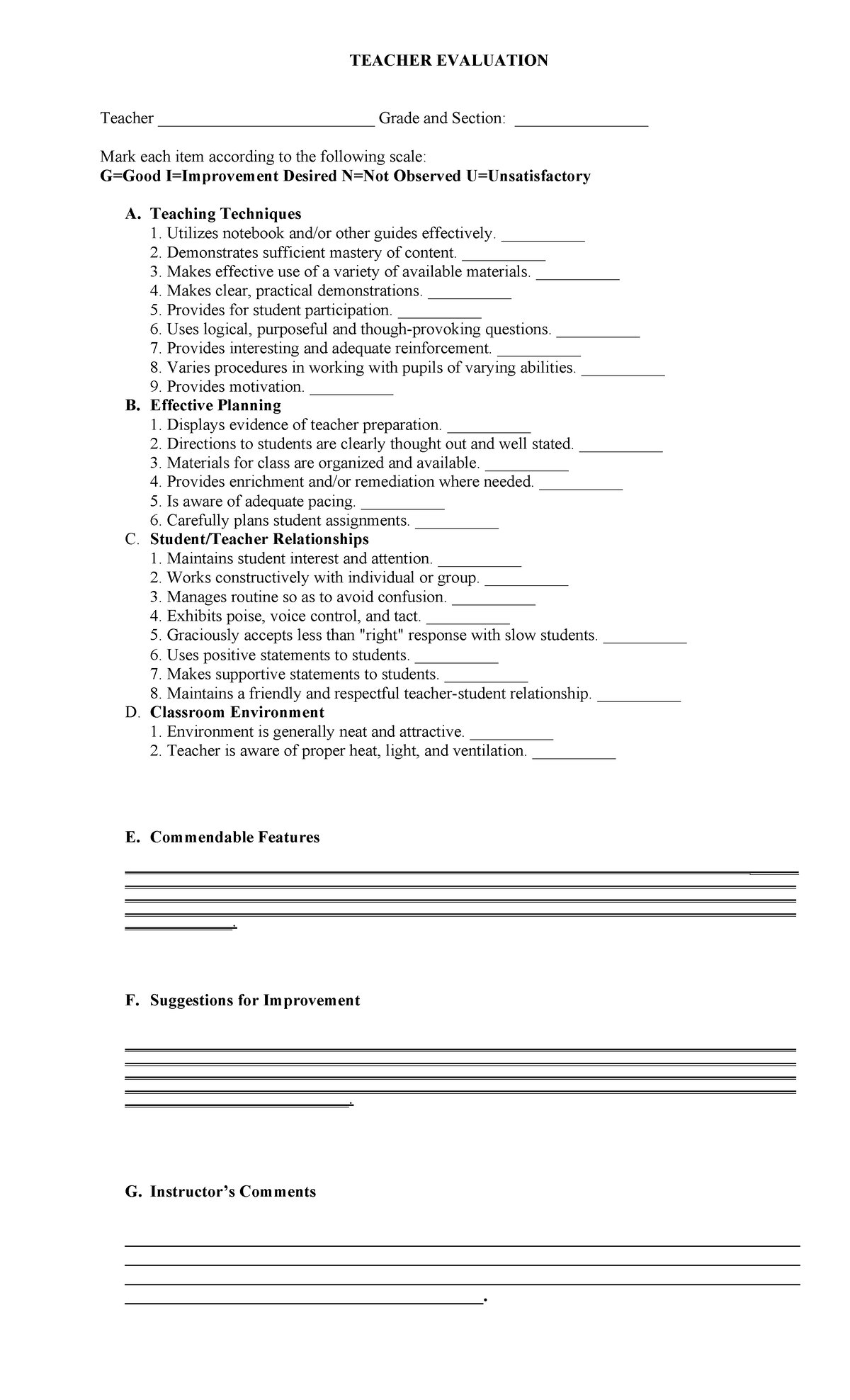
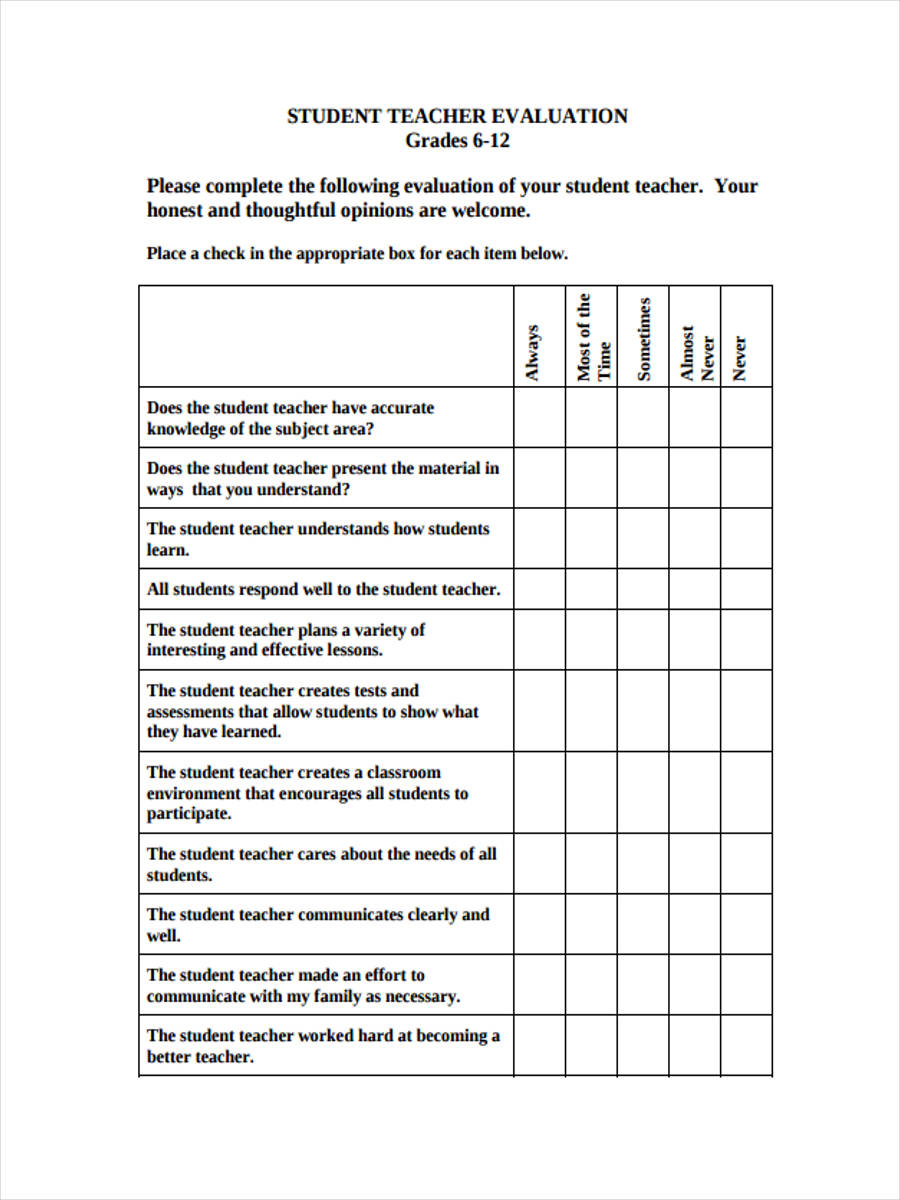
A free teacher evaluation template provides a structured, objective framework for assessing instructional effectiveness, classroom management, and professional growth in educational settings. According to the RAND Corporation, systematic teacher feedback systems significantly improve instructional practices and student achievement outcomes over multi-year implementation cycles. Utilizing standardized assessment documents ensures that evaluations remain consistent, transparent, and aligned with institutional standards, supporting continuous improvement for educators across all grade levels and disciplines. Related guide: Free Teaching Websites For Teachers.
Quick Key Takeaways:
- Core Focus: A free teacher evaluation template establishes objective criteria for measuring instructional delivery and professional performance.
- Target User: School administrators, department heads, and mentoring educators managing staff development in K-12 or higher education.
- Key Recommendation: Combine rubric-based scoring with actionable qualitative notes to foster meaningful professional dialogue.
What This Printable Covers
The evaluation document encompasses multiple dimensions of professional practice, integrating pedagogical knowledge, classroom environment management, instructional delivery, and professional responsibilities. By breaking down complex teaching dynamics into measurable indicators, evaluators can pinpoint specific areas of strength and actionable targets for development. This aligns closely with broader institutional objectives found within Administrative systems designed to streamline school operations and record-keeping. Furthermore, tracking these metrics supports longitudinal data analysis, assisting educators who are engaging in Personal Growth pathways and targeted career advancement initiatives.
Key Learning Outcomes
Targeted observation using this template yields several distinct outcomes for both the evaluator and the educator. First, it fosters deep self-reflection regarding lesson pacing, student engagement, and material accessibility. Second, it establishes clear benchmarks for instructional mastery that bridge theoretical pedagogical concepts with daily classroom realities. Third, it generates standardized documentation essential for credentialing reviews, tenure tracks, and professional development planning. Finally, it builds collaborative trust through evidence-based dialogue during post-observation conferences.
Overview & Skill Breakdown
| Focus Area | Target Skill | Best Practice |
|---|---|---|
| Instructional Delivery | Clarity and pacing of lesson presentation | Use varied questioning techniques to check for understanding. |
| Classroom Environment | Positive behavior management and rapport | Establish clear routines and reinforce constructive participation. |
| Professional Responsibilities | Collaboration, reflection, and compliance | Maintain accurate records and engage in ongoing peer mentorship. |
How to Use This Worksheet
Implementation requires a three-phase approach consisting of pre-observation alignment, active classroom observation, and post-observation conferencing. Evaluators begin by reviewing lesson plans and learning objectives to understand the context of the session. During the observation phase, objective notes are recorded directly onto the template, mapping observed behaviors to the designated rubric categories. Following the observation, the completed document serves as the focal point for a collaborative debrief, where achievements are celebrated and collaborative growth goals are established for the upcoming term.
Practical Tips for Success
Adequate preparation involves scheduling observation windows in advance and ensuring all participants understand the specific rubric criteria being applied. During execution, evaluators must focus on capturing concrete behavioral evidence rather than subjective impressions, noting both teacher actions and student responses. For extension, educators can pair this evaluation document with a parallel Worksheet tracking personal professional goals, creating a comprehensive portfolio of continuous pedagogical improvement.
Stage-Appropriate Recommendations
For novice educators, the evaluation focus centers on foundational classroom management, lesson structure, and routine establishment, utilizing supportive guidance models such as the Interstate Teacher Assessment and Support Consortium (InTASC) standards. For experienced educators, the framework shifts toward advanced instructional strategies, curriculum leadership, and peer collaboration. According to the InTASC standards, effective teacher development systems must be tailored to professional experience levels to foster sustained career growth and leadership capacity.
Systematic teacher feedback systems significantly improve instructional practices and student achievement outcomes over multi-year implementation cycles. — RAND Corporation
Frequently Asked Questions
Explore More Free Printable Resources
Discover a comprehensive library of organizational tools, administrative charts, and instructional aids by visiting Free Printable For You to support every stage of the educational journey.
Visual Reference Gallery