
Introduction
Google tools for online teaching provide a centralized, cloud-based infrastructure that streamlines digital instruction, assignment distribution, and formative assessment. According to the U.S. Department of Education’s National Center for Education Statistics (NCES), over 85 percent of public schools utilize cloud-integrated productivity suites to support virtual and blended learning environments. Integrating structured templates with these digital ecosystems enhances remote pedagogy by reducing administrative friction and standardizing student workflows.
Quick Key Takeaways:
- Core Focus: Utilizing google tools for online teaching to optimize digital lesson delivery and workflow management.
- Target User: Educators, homeschool parents, and academic coordinators managing virtual or hybrid classrooms.
- Key Recommendation: Pair cloud-based document templates with structured Worksheet resources to bridge physical and digital learning.
What This Printable Covers
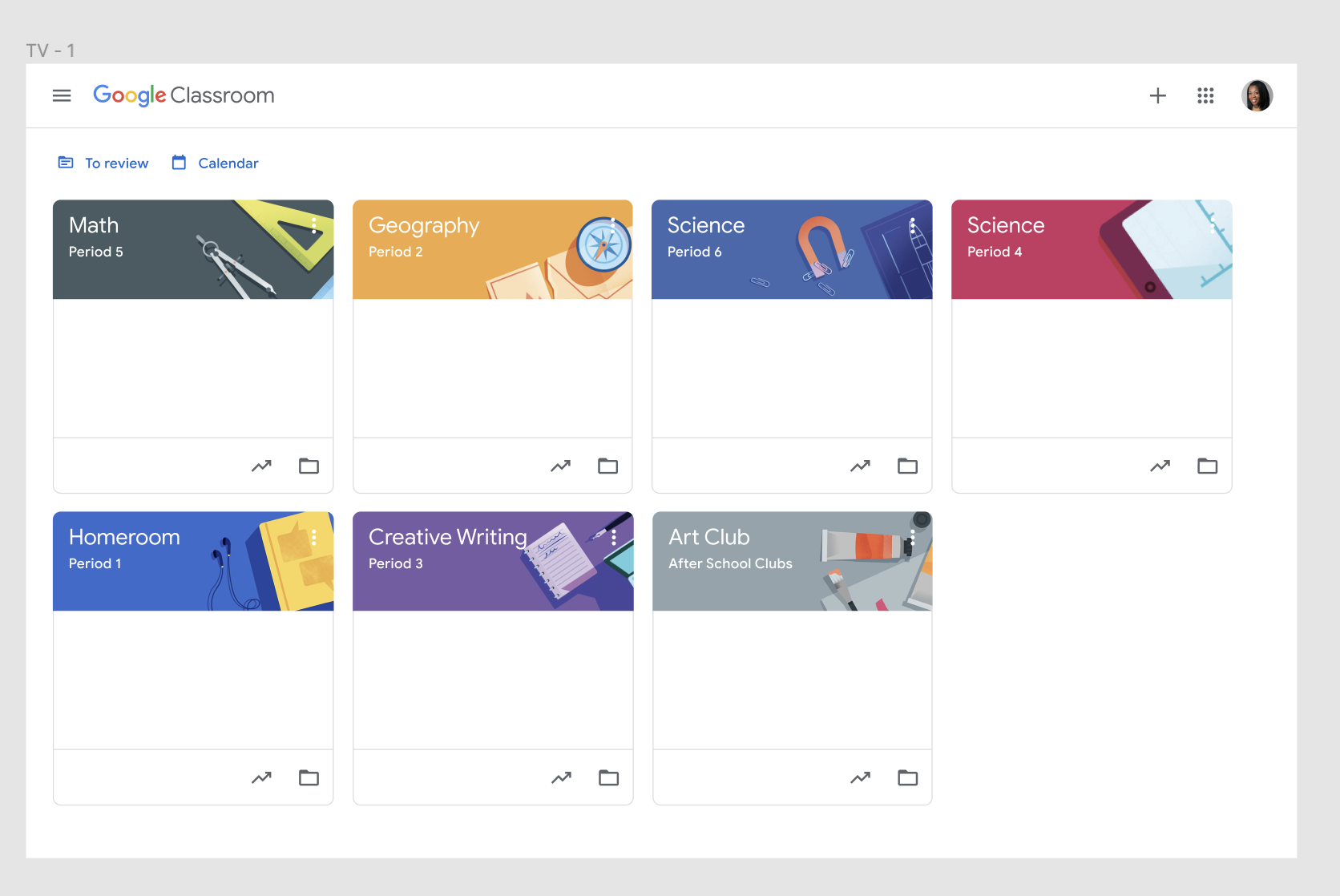
This resource covers the systematic integration of Google Workspace applications—specifically Google Classroom, Docs, Forms, and Drive—within modern virtual classrooms. The curriculum bridges technical execution with pedagogical theory, helping instructors transform static learning materials into dynamic, interactive experiences. Emphasis is placed on establishing organized folder hierarchies, designing accessible digital assignments, and utilizing automated grading scripts to save instructional time. Navigating these platforms requires a balance of technical literacy and intentional lesson design, ensuring that remote learners remain engaged through collaborative features and real-time feedback loops. Educators and parents also benefit from mastering Administrative protocols that keep virtual gradebooks and attendance logs meticulously updated across terms.
Key Learning Outcomes
Participants master the deployment of cloud-based assignment pipelines, learning how to distribute, monitor, and grade student submissions without physical paper. Instruction focuses on creating accessible, ADA-compliant digital documents that accommodate diverse learning needs through embedded screen-reader tags and high-contrast formatting. Additionally, users develop proficiency in designing automated self-grading quizzes via Google Forms to capture immediate diagnostic data on student comprehension. Finally, participants acquire strategies for fostering peer-to-peer collaboration using shared Google Slides and Docs, cultivating a vibrant online community despite physical distances.
Overview & Skill Breakdown
| Focus Area | Target Skill | Best Practice |
|---|---|---|
| Ecosystem Setup | Drive Architecture | Establish color-coded folder structures by unit and subject prior to term launch. |
| Formative Assessment | Data Collection | Use conditional logic in Google Forms to tailor questions based on prior answers. |
| Collaborative Learning | Real-Time Editing | Assign specific roles within shared documents to maintain individual accountability. |
How to Use This Worksheet
Implementation begins by printing the accompanying guide and placing it next to the primary workstation as a reference checklist during setup phases. Educators should review the step-by-step digital configuration prompts, applying each setting directly within a sandbox Google Classroom account before inviting students. For structured skill practice that complements these digital workflows, pairing the system with targeted Academic templates ensures complete curriculum coverage across subjects. Parents guiding remote learners can use the troubleshooting checklists to resolve common permission errors and file-sharing roadblocks independently.
Practical Tips for Success
Preparation involves auditing existing digital assets and standardizing naming conventions to prevent lost files in deep cloud storage. During execution, instructors should test all external links and sharing permissions using a secondary student-view account to verify accessibility before mass distribution. As an extension, educators can build custom template galleries using Personal Growth frameworks to help older students track their own academic milestones and time-management habits over the grading period.
Stage-Appropriate Recommendations
For early childhood and foundational stages, digital tools must be strictly scaffolded to prevent cognitive overload. According to the International Society for Technology in Education (ISTE) Standards for Educators, technology integration should be seamless and developmentally appropriate, prioritizing intuitive touch interfaces and minimalist visual layouts for younger users. Beginner implementation focuses on simplified Google Classroom stream layouts and large-button Forms designed for emerging readers. Advanced implementation scales up to complex, multi-tiered collaborative projects utilizing version history tracking, add-ons, and integrated rubric scoring designed for high school or adult learning environments.
Over 85 percent of public schools utilize cloud-integrated productivity suites to support virtual and blended learning environments. — National Center for Education Statistics (NCES)
Frequently Asked Questions
Explore More Free Printable Resources
Enhance your digital and physical teaching toolkit by exploring the complete library of curated guides, lesson planners, and organizational materials available at Free Printable For You.
Images References