Introduction
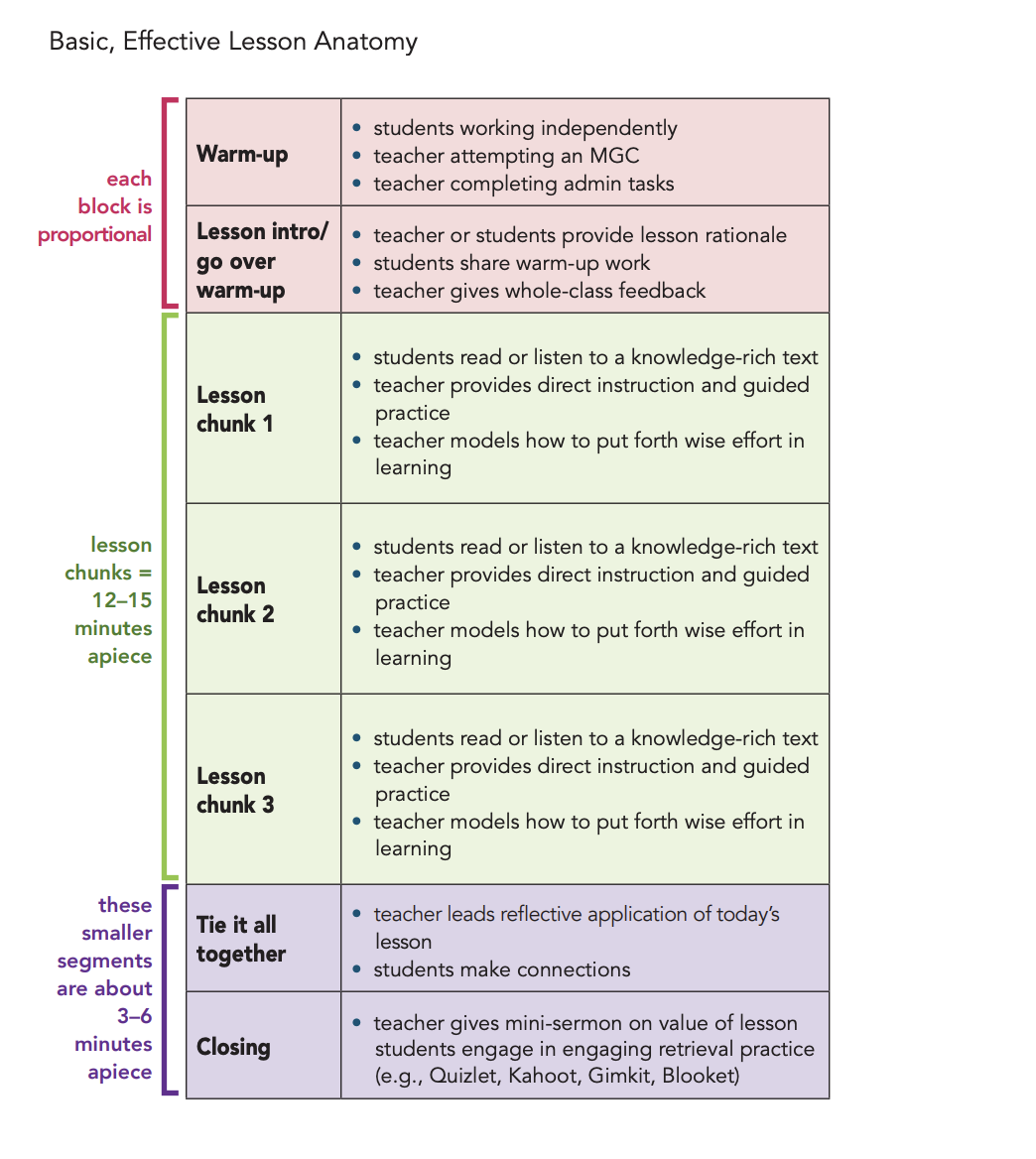
Lesson structure serves as the intentional architectural blueprint that guides cognitive acquisition, time management, and pedagogical pacing across educational settings. According to the Department of Education’s Institute of Education Sciences (IES), explicit instructional pacing and predictable sequencing significantly increase student engagement and concept retention. Master educators, administrators, and independent learners rely on a formalized lesson structure to eliminate cognitive overload, ensure curriculum standards are thoroughly met, and transition smoothly from foundational theory to independent mastery.
Quick Key Takeaways:
- Core Focus: Systematic organization of educational content into sequential instructional phases.
- Target User: Educators, homeschool parents, and academic coordinators managing structured Academic programs.
- Key Recommendation: Implement standardized frameworks utilizing clear warm-ups, guided practice, and independent application.
What This Printable Covers
This comprehensive resource details the essential components required to build robust instructional blocks, harmonizing seamlessly with methodologies found within the Early Learning sector and higher-level institutional environments. The framework guides users through objective setting, anticipatory sets, direct instruction, collaborative exploration, and formal assessment metrics. By mapping out these sequential phases, instructional designers minimize wasted transition time while maximizing curriculum coverage.
Key Learning Outcomes
Users learn to establish transparent learning objectives that orient learners immediately upon entry. Furthermore, the material strengthens time-blocking capabilities, ensuring optimal allocation for both guided mentorship and individual Worksheet applications. Finally, implementers gain the capacity to design formative assessments directly aligned with daily instructional targets, guaranteeing measurable academic progress.
Overview & Skill Breakdown
| Focus Area | Target Skill | Best Practice |
|---|---|---|
| Anticipatory Set | Activation of Prior Knowledge | Hook learners with brief, engaging queries or puzzles. |
| Guided Practice | Scaffolding and Monitoring | Circulate the room, offering corrective feedback during tasks. |
| Closure & Review | Consolidation | Ask learners to summarize core concepts independently. |
How to Use This Worksheet
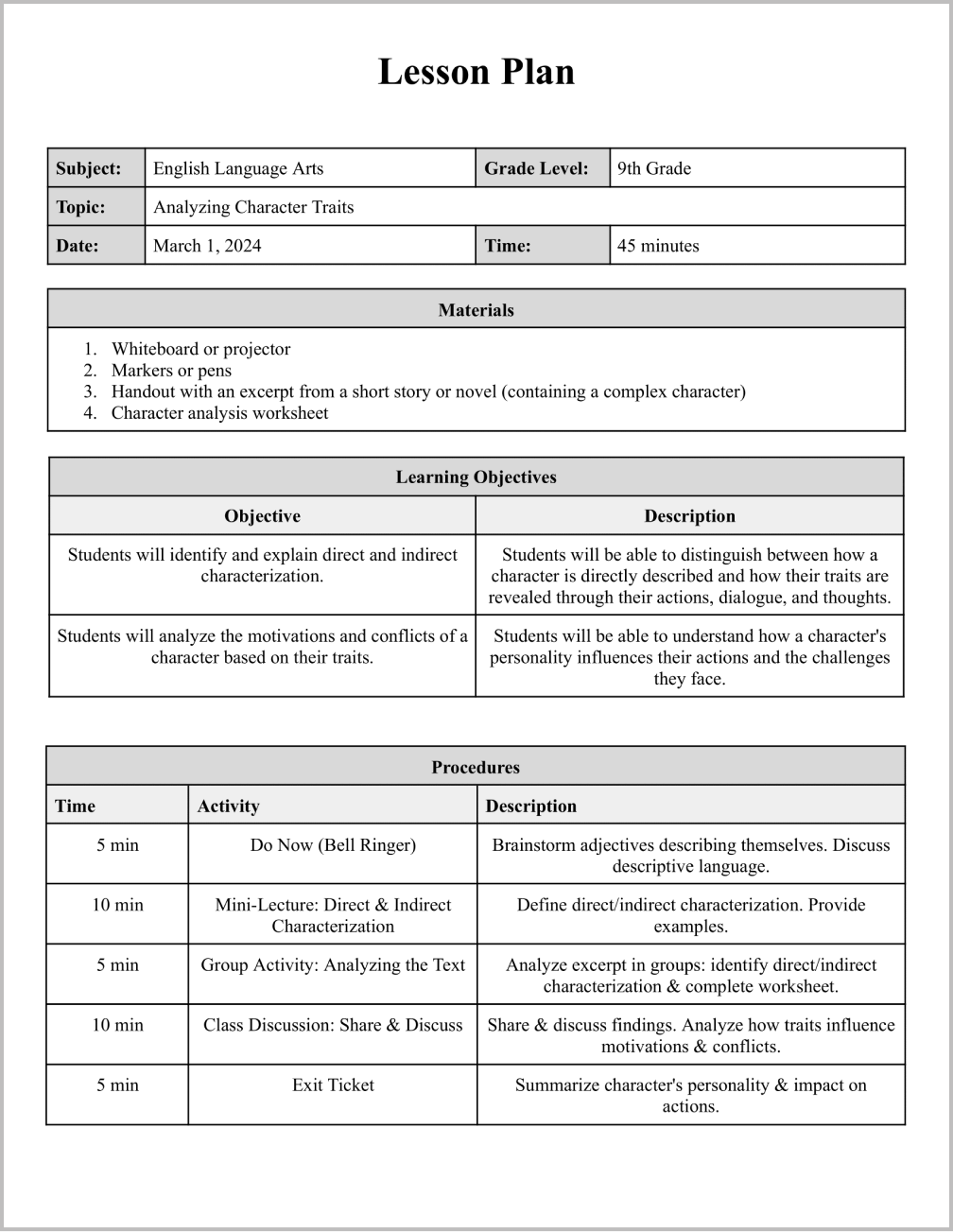
Effective deployment begins by reviewing the daily schedule alongside institutional Administrative requirements to ensure time parameters match educational goals. Instructors should project the lesson outline onto a board or distribute copies to learners so expectations remain visible throughout the session. During delivery, strict adherence to the timed blocks prevents derailment and maintains high instructional momentum, transforming chaotic classrooms into focused environments of inquiry.
Practical Tips for Success
Preparation requires pre-sorting all required physical materials, rubrics, and digital assets before the instructional hour commences. Execution relies on maintaining transparent transitions between groups, utilizing visual timers to foster self-regulation and time awareness among participants. Extension activities should be readily available for advanced learners who finish core tasks early, while targeted support materials remain accessible for those requiring additional scaffolding.
Stage-Appropriate Recommendations
Beginner implementations focus on shorter, highly segmented blocks featuring concrete activities aligned with National Association for the Education of Young Children (NAEYC) developmental guidelines for sustained attention spans. Advanced academic environments utilize flexible, inquiry-driven frameworks where learners take primary ownership of pacing, investigation, and collaborative synthesis.
Explicit instructional pacing and predictable sequencing significantly increase student engagement and concept retention — Institute of Education Sciences (IES)
Frequently Asked Questions
Explore More Free Printable Resources
Enhance daily instructional design and organizational workflows by browsing the extensive catalog available at Free Printable For You, designed to support Personal Growth and lifelong learning.
Images References