Introduction
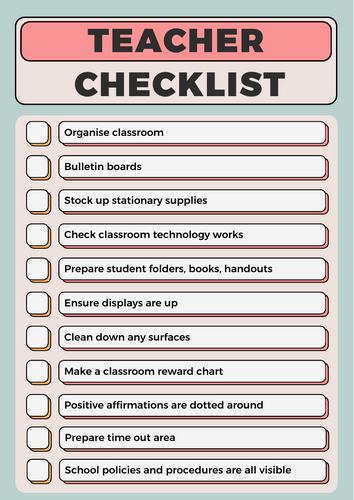
A new teacher checklist functions as an essential organizational instrument designed to guide educators through the multifaceted demands of classroom setup, lesson planning, and institutional compliance. According to the National Center for Education Statistics, structured onboarding and systematic preparation significantly reduce early-career educator attrition while boosting instructional efficacy. Utilizing a comprehensive new teacher checklist ensures that foundational tasks are completed efficiently, allowing educators to dedicate maximum energy to student engagement and curriculum delivery.
Quick Key Takeaways:
- Core Focus: A systematic new teacher checklist streamlines administrative duties, classroom setup, and pedagogical alignment.
- Target User: Novice educators, mentor teachers, and school administrators managing professional onboarding.
- Key Recommendation: Complete physical classroom organization before tackling digital curriculum mappings and administrative documentation.
What This Printable Covers
This resource addresses the logistical, pedagogical, and operational milestones required during the initial phase of an educational career. The material synthesizes best practices from professional standards to bridge the gap between theoretical training and daily classroom realities, aligning closely with structured frameworks found in Personal Growth modules. Educators navigate essential domains including spatial arrangement, safety protocol verification, supply inventory, and communication templates designed for families and colleagues alike.
Key Learning Outcomes
Users systematically cultivate the ability to prioritize urgent operational tasks without sacrificing long-term instructional quality. Practitioners learn to establish predictable daily routines, manage physical and digital record-keeping systems with high fidelity, and maintain compliance with local educational mandates. Ultimately, the resource fosters sustainable professional habits that support continuous self-reflection and balanced workload management throughout the academic year.
Overview & Skill Breakdown
| Focus Area | Target Skill | Best Practice |
|---|---|---|
| Environment | Spatial Layout | Design traffic-free zones and accessible supply stations. |
| Operations | Record Keeping | Establish digital and physical filing systems early. |
| Communication | Stakeholder Liaison | Draft welcome letters and behavior policies in advance. |
How to Use This Worksheet
Implementation begins by printing the checklist and dividing tasks into manageable weekly increments prior to the academic term. As educators navigate each phase, completed items are checked off to provide visual reinforcement of progress. This document can also be integrated with specialized tools from the Academic section to align daily operational timelines with overarching instructional goals and assessment schedules.
Practical Tips for Success
Preparation involves reviewing the entire document alongside veteran mentors to identify school-specific requirements that may require immediate attention. Execution relies on prioritizing high-stakes safety and compliance benchmarks before focusing on aesthetic classroom details. Extension involves adapting the modular framework into customized student-facing tasks, similar to materials found in any standard Worksheet collection, to maintain transparency across the learning community.
Stage-Appropriate Recommendations
First-year educators benefit from focusing heavily on the foundational and environmental sections of the checklist, establishing routines that align with the Interstate Teacher Assessment and Support Consortium (InTASC) standards. According to the InTASC Professional Learning Standards, systematic alignment of operational environments directly supports learner development and professional learning. Advanced or transitioning educators can utilize the document to audit existing organizational frameworks, streamlining routine tasks to allocate more time toward differentiated instruction, much like the strategies highlighted in Early Learning environments.
Systematic onboarding and structured preparation significantly reduce early-career educator attrition — National Center for Education Statistics
Frequently Asked Questions
Explore More Free Printable Resources
Enhance professional readiness and classroom organization by browsing the extensive collection available at Free Printable For You, where educators discover valuable materials tailored to every phase of the teaching journey.
Images References