
Introduction
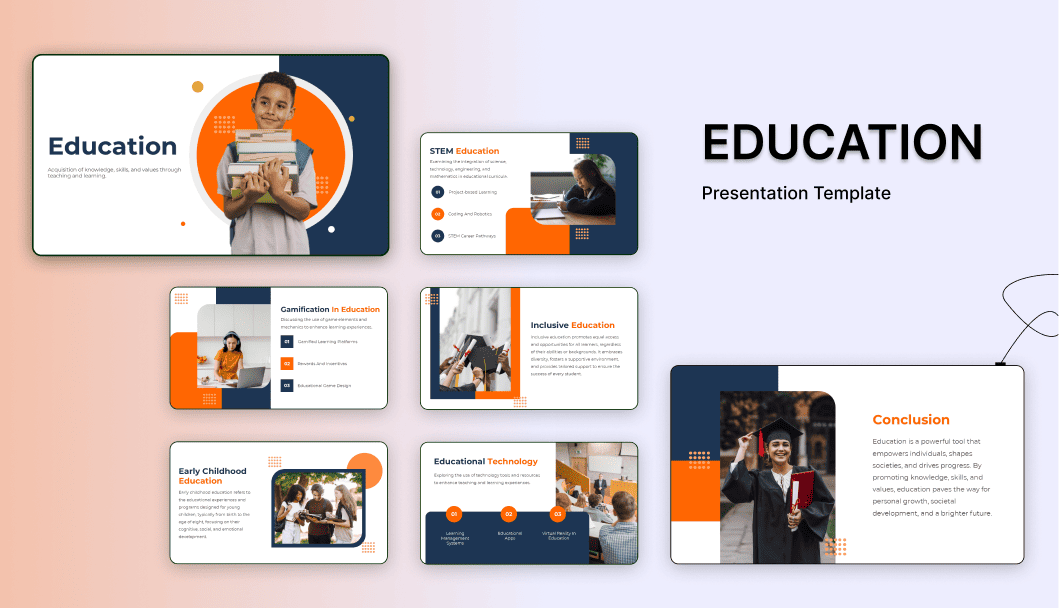
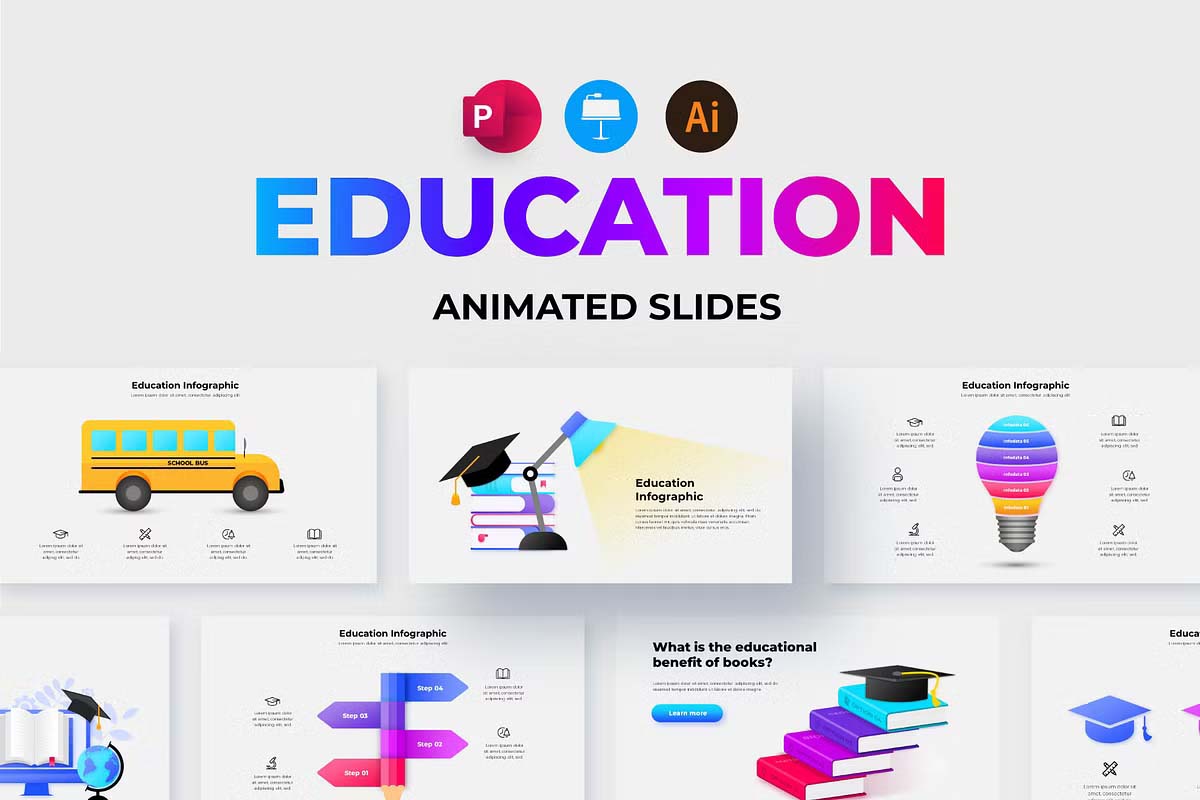
Ready made powerpoint presentations for teachers provide pre-formatted, highly structured slide decks designed to streamline curriculum delivery and reduce instructional planning friction. According to a study by the National Education Association, educators spend upwards of ten hours per week sourcing and formatting supplemental digital materials, a bottleneck that pre-built media effectively resolves. By integrating standardized visual aids into daily routines, instructors can redirect valuable time toward individualized student support, formative assessment, and direct engagement. These educational assets bridge the gap between rigorous curriculum standards and efficient classroom management, offering a reliable backbone for diverse instructional frameworks.
Quick Key Takeaways:
- Core Focus: Ready made powerpoint presentations for teachers deliver structured slide decks that minimize lesson preparation time and elevate visual engagement.
- Target User: Classroom educators, homeschool parents, and academic institutions seeking standardized curriculum support.
- Key Recommendation: Preview and customize pre-made slides to align directly with specific pacing guides and student learning needs.
What This Printable Covers
Pre-designed slide collections address foundational concept introduction, guided practice prompts, and interactive review segments across various disciplines. These files incorporate pedagogical design principles, balancing cognitive load through intentional typography, color theory, and modular text blocks. When pairing these visual decks with standard curriculum components, such as those found within the Academic category, instructors ensure cohesive instructional continuity. The structured framework supports multiple learning modalities, allowing visual, auditory, and kinesthetic learners to process complex subject matter through organized schemas.
Key Learning Outcomes
Utilizing structured slide decks fosters improved concept retention, enhanced critical thinking through embedded discussion prompts, and better information synthesis. Learners develop stronger domain-specific vocabulary as visual cues consistently reinforce verbal explanations. Furthermore, structured pacing prevents cognitive overload, guiding groups systematically from introductory hook activities to independent mastery.
Overview & Skill Breakdown
| Focus Area | Target Skill | Best Practice |
|---|---|---|
| Visual Literacy | Interpreting graphic organizers and data charts | Pause for student interpretation before revealing conclusions. |
| Active Recall | Synthesizing newly introduced subject matter | Embed formative questioning checkpoints throughout the slide sequence. |
| Information Pacing | Processing hierarchical data without fatigue | Break lengthy slide sections into targeted, digestible learning segments. |
How to Use This Worksheet
Implementing these digital aids requires an initial review phase to check compatibility with local learning objectives and technology infrastructure. Instructors project the slides onto interactive whiteboards or personal screens to guide group instruction, occasionally combining the visual prompts with a printed Worksheet to transition from passive viewing to active writing practice. For administrative clarity or school-wide presentations, similar organizational frameworks are available via the Administrative category, ensuring professional communication standards remain consistent across all school operations.
Practical Tips for Success
Preparation involves reviewing the slide sequence ahead of time to identify potential vocabulary hurdles and adjusting the pacing to fit standard instructional blocks. During execution, encourage active student response by integrating think-pair-share routines directly linked to the provided prompts. Extension activities can involve students modifying or expanding upon the existing presentation structure to demonstrate synthesis of the core topic.
Stage-Appropriate Recommendations
For early childhood or foundational stages, presentations should prioritize vibrant imagery, minimal text density, and repetitive reinforcement, principles supported by the National Association for the Education of Young Children (NAEYC). According to NAEYC guidelines, digital media in early settings must be used intentionally to co-view and spark interactive dialogue rather than passive consumption. Advanced settings benefit from data-heavy, analytical slide structures that encourage critical critique and independent research mapping.
Educators spend upwards of ten hours per week sourcing and formatting supplemental digital materials — National Education Association
Frequently Asked Questions
Explore More Free Printable Resources
Enhance your instructional toolkit by browsing the complete catalog of educational assets, lesson aids, and planning tools available at Free Printable For You. Print today.
Images References