
Introduction
Teaching main idea serves as a foundational cognitive pillar for reading comprehension, allowing learners to synthesize complex informational inputs into core thematic takeaways. According to research published by the Institute of Education Sciences (IES), explicit instruction in identifying text structures and central themes improves overall reading comprehension outcomes by up to thirty percent among developing readers. By systematically utilizing targeted instructional materials found within the Academic category, educators and parents can transform abstract reading strategies into concrete, measurable analytical skills.
Quick Key Takeaways:
- Core Focus: Mastering the identification of central themes and supporting details in varied texts.
- Target User: Educators, homeschoolers, and students seeking structured reading comprehension practice.
- Key Recommendation: Pair graphic organizers with short passages to scaffold structural analysis.
What This Printable Covers
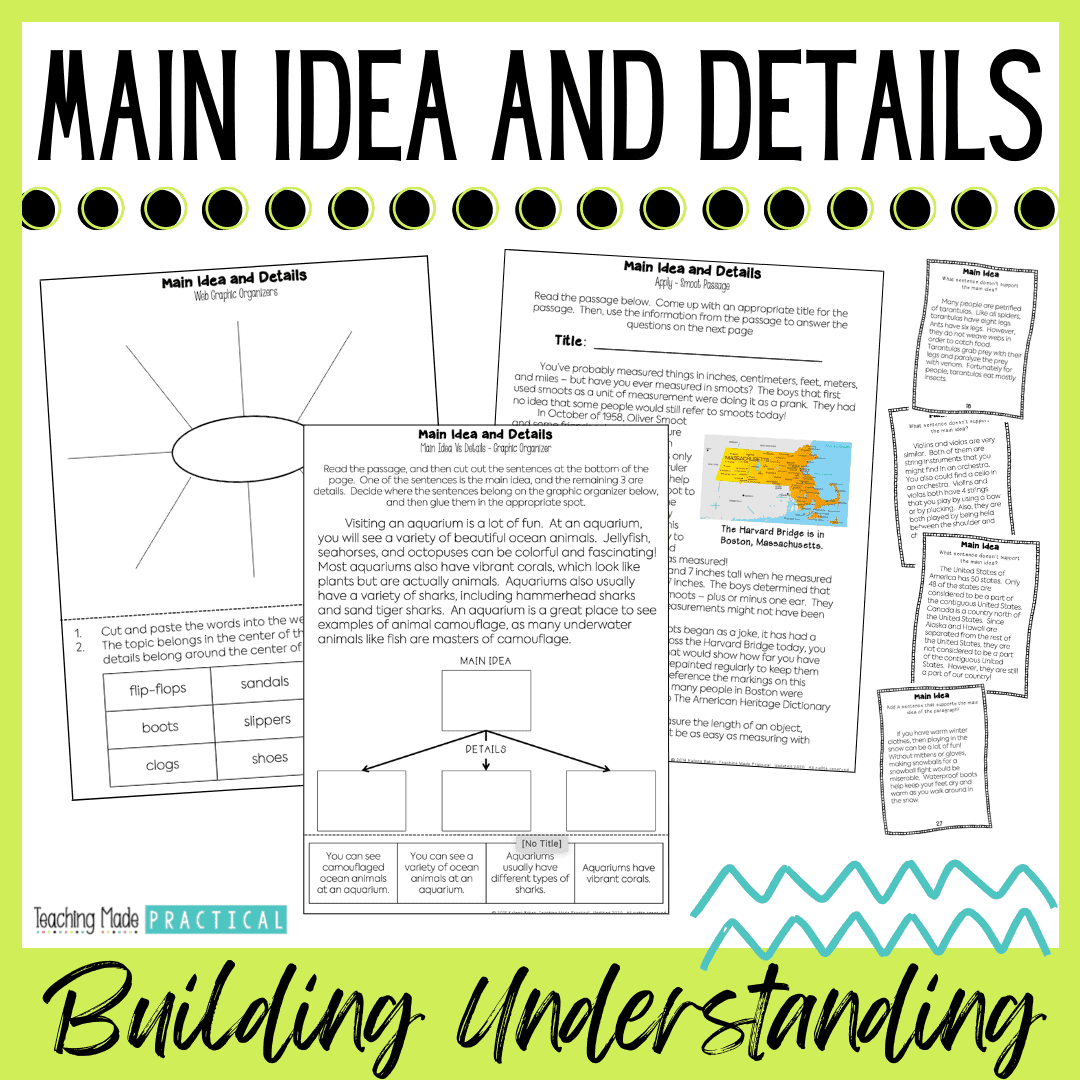
This structured resource focuses on bridging the gap between passive reading and active comprehension by training learners to distinguish between broad topics, central assertions, and minor supporting details. Grounded in evidence-based literacy practices, the layout guides students through a sequential progression from paragraph-level analysis to multi-paragraph synthesis. Users systematically examine introductory hooks, recurring thematic vocabulary, and concluding summaries to isolate the author’s primary message without getting bogged down in extraneous trivia. Explore more in our Educational Resources collection.
Key Learning Outcomes
Learners will successfully isolate the single most important point of an informational or narrative text through targeted deconstruction exercises. Participants develop the ability to filter out captivating yet secondary supporting details, ensuring accurate summary writing. Furthermore, students enhance their structural awareness by recognizing common organizational patterns such as cause-and-effect, problem-solution, and chronological sequencing, which naturally highlight the underlying main idea.
Overview & Skill Breakdown
| Focus Area | Target Skill | Best Practice |
|---|---|---|
| Topic Identification | Distinguishing subject from central claim | Ask what the text is mostly about in one word. |
| Detail Filtering | Separating major evidence from minor facts | Highlight supporting sentences using two distinct colors. |
| Synthesis Writing | Drafting concise one-sentence summaries | Combine the primary topic with the author’s main assertion. |
How to Use This Worksheet
Effective implementation requires a balanced blend of guided modeling and independent practice across diverse reading materials. Facilitators typically begin by introducing a short leveled passage, reading aloud while demonstrating how to circle repeated keywords and underline topic sentences. Following the demonstration, learners complete the structured prompts independently, utilizing designated graphic organizers to map out relationships between the central argument and supporting evidence before transferring their findings into a final written summary statement.
Practical Tips for Success
Preparation involves pre-selecting texts that match the current reading level to prevent cognitive overload from unfamiliar vocabulary. During execution, encourage learners to formulate their own main idea statements in their own words rather than merely copying sentences verbatim from the source text. For extension, have advanced participants compare two passages on similar topics to identify how different authors communicate distinct central messages regarding the same subject matter.
Stage-Appropriate Recommendations
Early elementary stages focus primarily on identifying the topic and recognizing visual or structural cues within simple stories, aligning closely with Common Core foundational reading standards. As learners progress into upper elementary and middle school grades, instructional materials escalate in complexity by introducing expository texts that require multi-step inference and synthesis. According to the National Association for the Education of Young Children (NAEYC), developmentally appropriate literacy instruction must systematically scaffold abstract cognitive tasks through concrete visual aids and incremental skill-building exercises.
Explicit instruction in identifying text structures improves reading comprehension outcomes by up to thirty percent — Institute of Education Sciences (IES)
Frequently Asked Questions
Explore More Free Printable Resources
Expanding instructional toolkits beyond single lessons enhances long-term academic retention and organizational efficiency. Discover complementary instructional assets by browsing the comprehensive library at Free Printable For You.
Images References


