Introduction
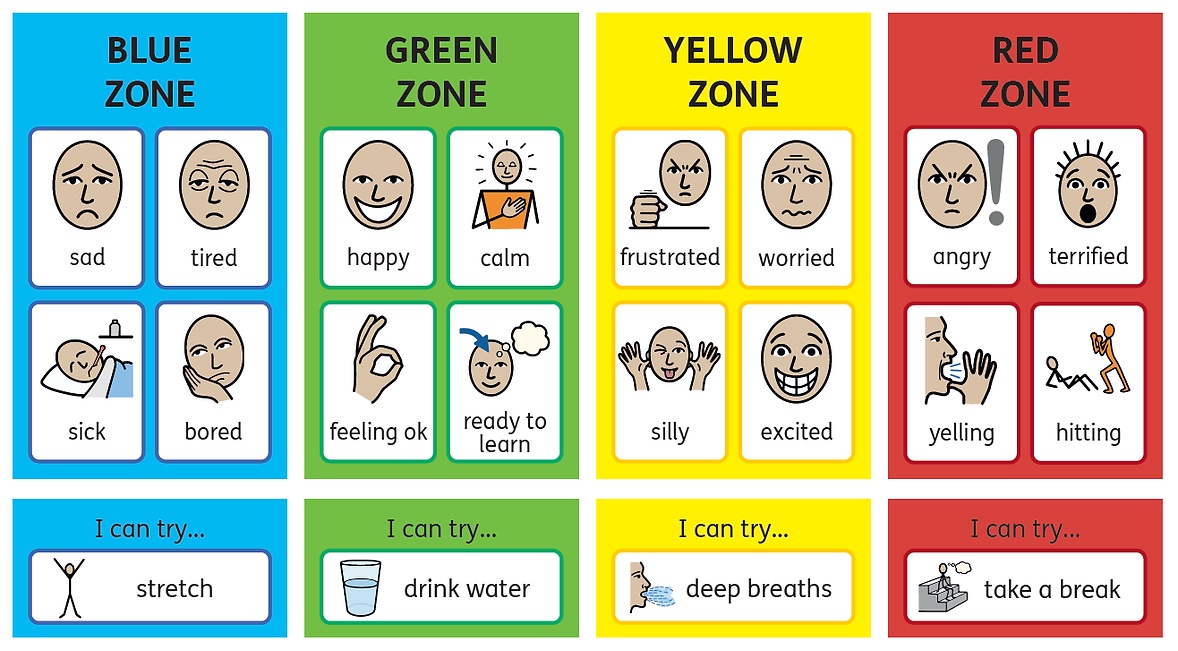
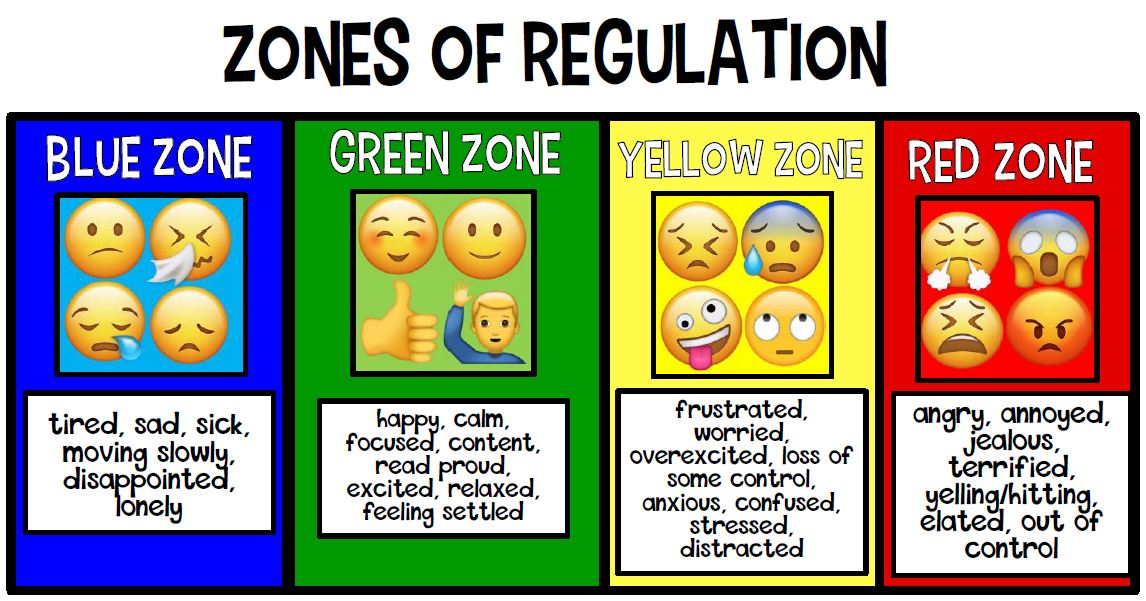
Zones of regulation lessons provide a systematic framework for teaching emotional literacy, self-awareness, and impulse control by categorizing complex feelings into four distinct, color-coded states. According to the Collaborative for Academic, Social, and Emotional Learning (CASEL), structured emotional regulation curricula significantly improve students’ social-emotional competence and academic performance by fostering a safe environment for behavioral reflection. These evidence-based lessons empower learners to recognize their internal states, energy levels, and emotional triggers before reactions escalate. Utilizing structured Worksheet materials allows educators and parents to translate abstract psychological concepts into tangible, daily visual practices.
Quick Key Takeaways:
- Core Focus: Zones of regulation lessons teach emotional identification, self-monitoring, and proactive coping strategies through color-coded behavioral categories.
- Target User: Educators, parents, and counselors guiding children, students, or adults through emotional development and behavioral management.
- Key Recommendation: Pair daily check-ins with visual anchor charts to build consistent emotional vocabulary across different environments.
What This Printable Covers
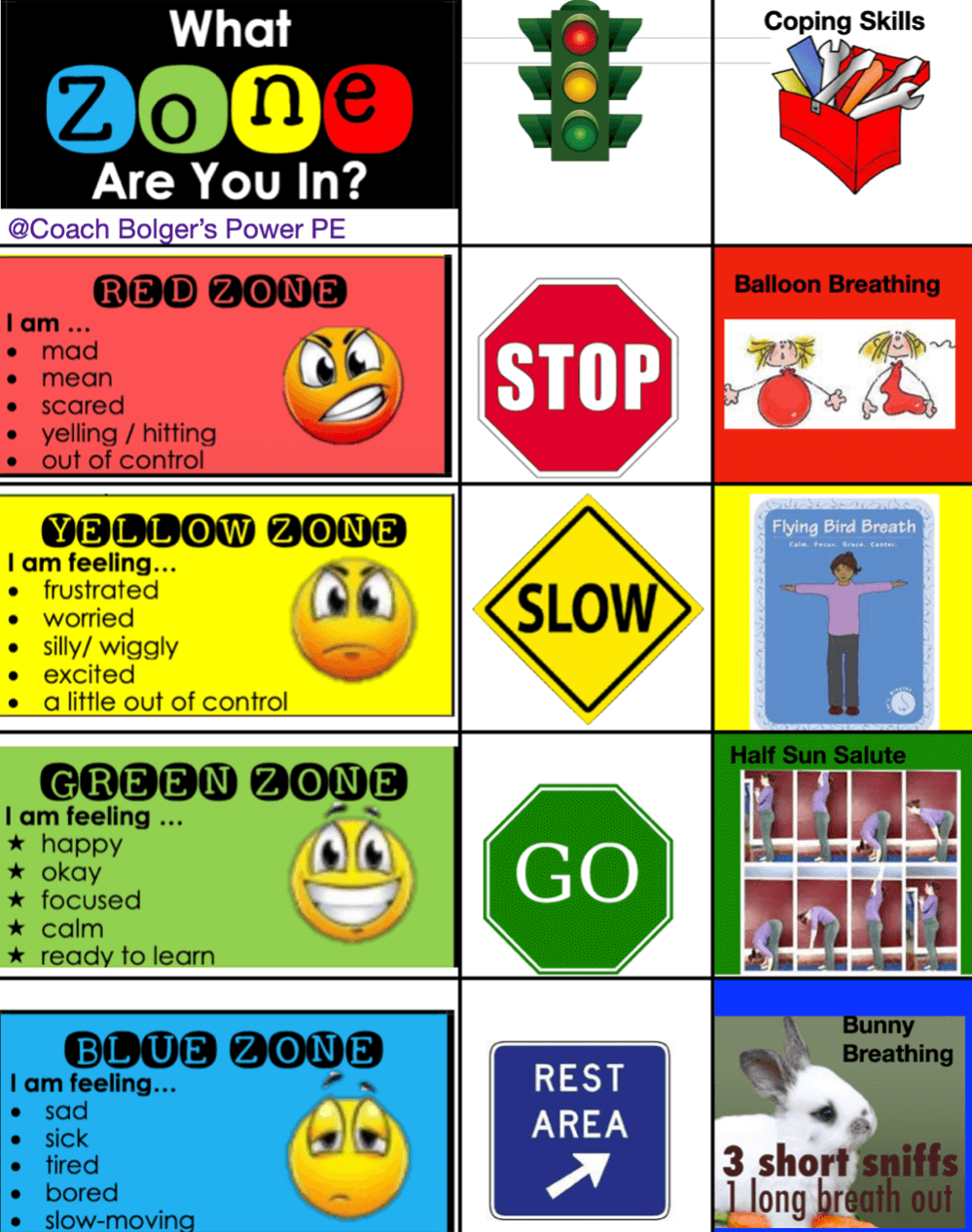
Structured printables surrounding emotional control frameworks systematically guide learners through identifying the Blue, Green, Yellow, and Red zones. The materials operationalize abstract emotional states into concrete visual cues, allowing participants to map their internal feelings to designated categories ranging from low alertness and sadness to heightened states of anger or elation. Alignment with established socio-emotional learning models ensures that each exercise builds sequential competence, moving from simple emotion identification to complex strategy selection and independent self-regulation. When integrated into daily routines, these foundational tools support Early Learning environments by establishing healthy emotional vocabulary during formative developmental windows.
Key Learning Outcomes
Learners consistently develop the capacity to accurately identify their physiological and emotional states in real time without judgment. Participants acquire a personalized repertoire of sensory and cognitive coping mechanisms tailored to shift them back into an optimal state of alertness. Furthermore, individuals cultivate profound empathy by recognizing emotional signals in peers, thereby reducing behavioral conflicts within collaborative spaces. Mastery of these tools directly reinforces foundational Academic readiness by preserving cognitive bandwidth for focused attention and instruction.
Overview & Skill Breakdown
| Focus Area | Target Skill | Best Practice |
|---|---|---|
| Zone Identification | Recognizing physiological and emotional cues | Use mirror exercises to link facial expressions with specific zones. | Tool Selection | Matching coping strategies to current emotional needs | Maintain a physical choice board of deep breathing and calming exercises. | Self-Monitoring | Tracking behavioral shifts throughout daily transitions | Perform regular midday check-ins using color-coded rating scales. |
How to Use This Worksheet
Implementing emotional self-regulation frameworks effectively requires integrating structured printables into predictable daily routines, such as morning meetings, classroom transitions, or evening wind-down periods. Facilitators introduce the four zones using concrete sensory examples, connecting physical sensations like a racing heart or heavy limbs to specific color categories. Participants then map their current emotional state onto the printable tool and select an appropriate strategy to either maintain their focus or restore balance. For broader organizational alignment, professionals often pair these behavioral materials with specialized Administrative tracking templates to monitor individual progress over multi-week interventions.
Practical Tips for Success
Preparation involves laminating reusable zone charts and gathering sensory tools so learners can physically interact with the materials during heightened emotional moments. During execution, facilitators should model vulnerability by openly sharing their own zone placements and coping choices, normalizing the experience of navigating difficult emotions. For meaningful extension, encourage participants to design personalized pocket-sized reminder cards that reinforce self-regulation strategies independently across various settings.
Stage-Appropriate Recommendations
Early childhood implementation focuses primarily on sensory awareness, visual color recognition, and basic emotional labeling aligned with the National Association for the Education of Young Children (NAEYC) guidelines for social-emotional development. As learners advance into middle childhood and adolescence, the curriculum shifts toward metacognition, perspective-taking, and autonomous strategy deployment during high-stress situations. According to the American Psychological Association (APA), graduated scaffolding of emotional regulation frameworks ensures that interventions remain developmentally appropriate and sustainably integrated into daily practice.
Graduated scaffolding of emotional regulation frameworks significantly enhances long-term behavioral adaptability and personal growth across developmental stages. — American Psychological Association (APA)
Frequently Asked Questions
- How do I download the zones of regulation lessons? Simply click the download link on this page to instantly access and print your free resource.
- What is the primary practical benefit of these lessons? They help learners independently identify emotional states and apply healthy coping tools.
- Are these materials based on a trusted framework? Yes, they align with evidence-based social-emotional learning and behavioral psychology models.
Explore More Free Printable Resources
Discover a comprehensive library of supportive materials designed to foster lifelong Personal Growth and educational success. Visit Free Printable For You to access hundreds of expertly crafted tools for home, office, and classroom environments today.
Images References