Introduction
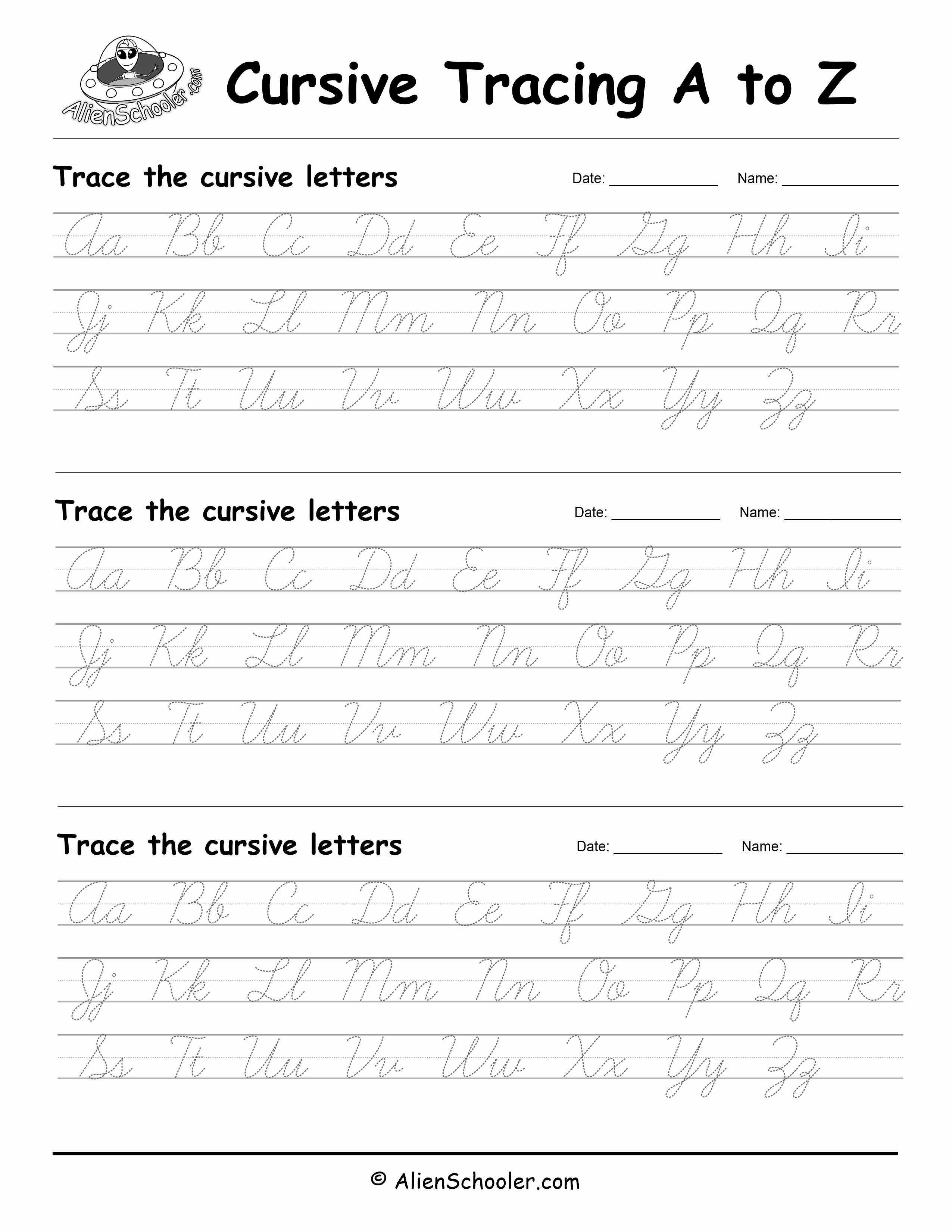
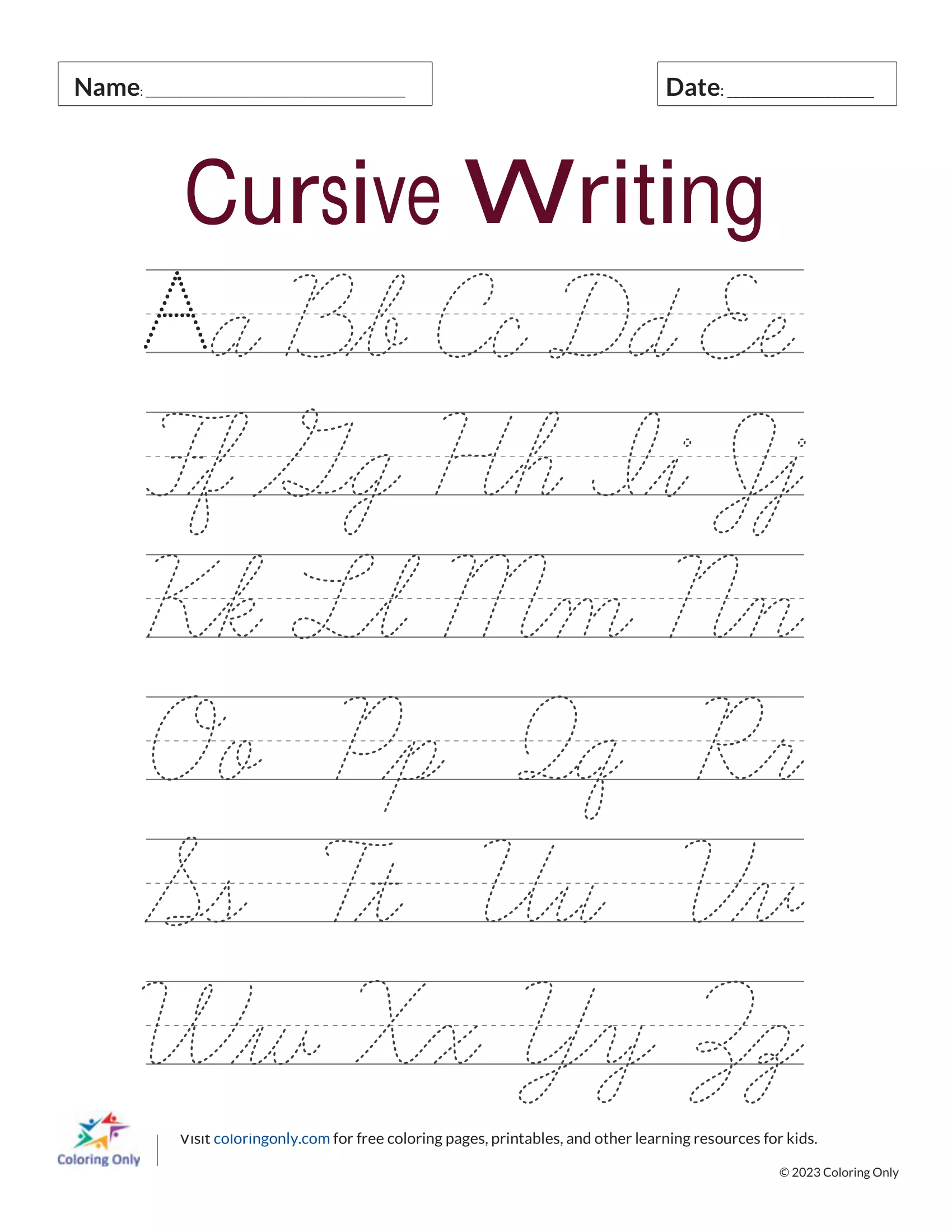
Cursive teaching sheets are structured educational templates designed to guide learners through the fluid mechanics of connected handwriting. According to a study published by the Journal of Learning Disabilities, sequential handwriting instruction significantly enhances neurological activation patterns associated with working memory, spelling accuracy, and reading comprehension compared to unimodal keyboard use. Mastery of joined-up script requires deliberate, scaffolded practice that moves from individual letterforms to fluid words and complex sentences. Integrating structured Early Learning modules into daily routines provides the systematic repetition necessary to build permanent fine-motor muscle memory and spatial awareness.
Quick Key Takeaways:
- Core Focus: Standardized templates for mastering connected handwriting and letter formation.
- Target User: Elementary students, remedial learners, and adults refining personal scripts.
- Key Recommendation: Utilize daily 10-minute micro-sessions to reinforce proper stroke order and baseline alignment.
What This Printable Covers
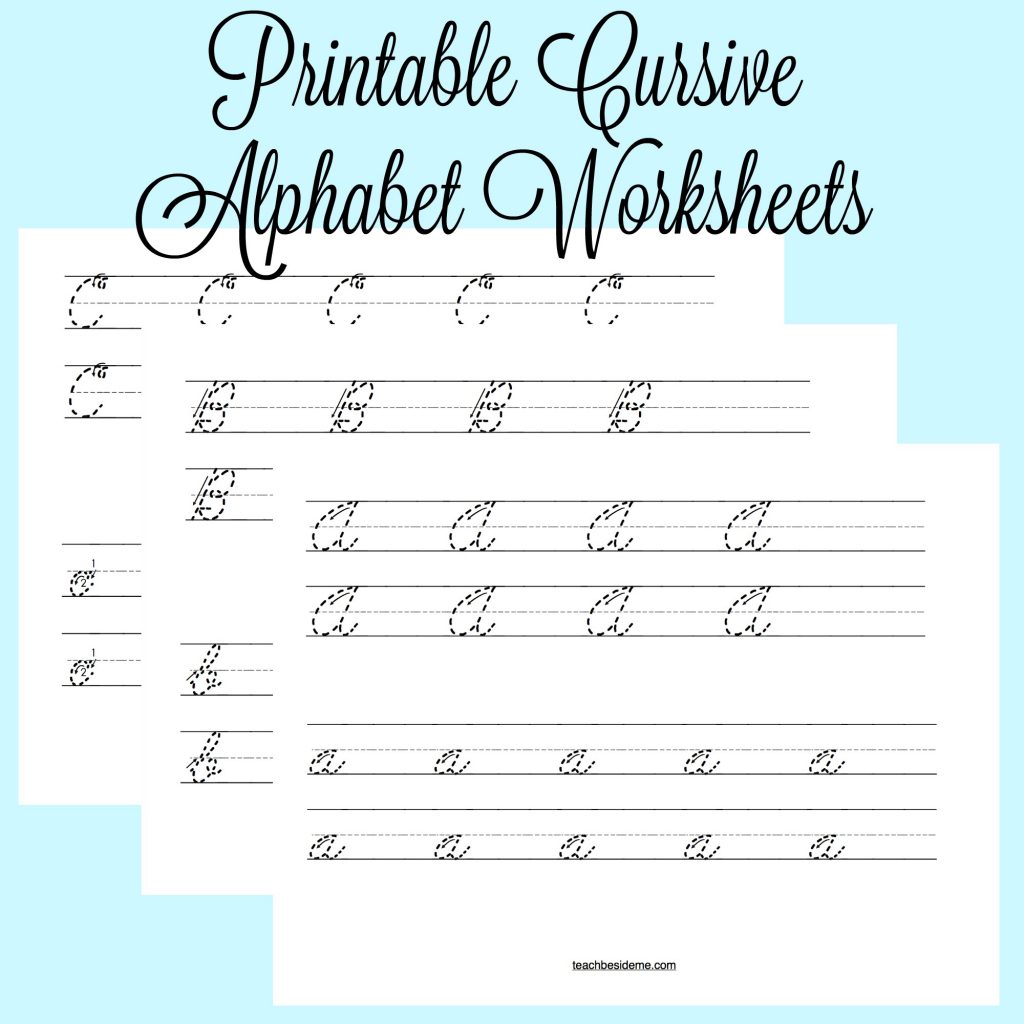
The curriculum spans fundamental stroke families, lowercase and uppercase letter linkages, diagonal connectors, and baseline stability metrics. Foundational exercises target the four basic cursive strokes—the undercurve, upcurve, downcurve, and loop—which form the building blocks of every letter in the alphabet. As learners progress through the foundational Worksheet sets, exercises systematically transition from isolated character tracing to fluid word generation, paragraph copying, and independent composition.
Key Learning Outcomes
Learners cultivate superior fine-motor control by maintaining consistent slant, uniform letter height, and appropriate spacing between words. Regular engagement with these materials enhances visual-motor integration, allowing the brain to translate visual symbols into automatic motor output without conscious hesitation. Furthermore, structured cursive training strengthens orthographic mapping, reinforcing spelling patterns through continuous kinetic feedback.
Overview & Skill Breakdown
| Focus Area | Target Skill | Best Practice |
|---|---|---|
| Stroke Mechanics | Undercurves and loops | Emphasize relaxed grip and arm movement over finger strain. |
| Letter Linkages | Diagonal and horizontal connectors | Practice high-frequency pairs like ‘re’, ‘ow’, and ‘in’. |
| Composition | Rhythm, slant, and flow | Focus on sustained pacing across unlined or lined templates. |
How to Use This Worksheet
Implementing these materials effectively requires a balanced approach combining guided instruction, independent rehearsal, and thoughtful self-assessment. Educators and parents should introduce new letter families in small, logically grouped batches rather than attempting to teach the entire alphabet simultaneously. Leveraging resources found within the Academic catalog ensures learners receive comprehensive reinforcement across various core subjects.
Practical Tips for Success
Preparation involves printing sheets on heavy-weight paper or utilizing dry-erase sleeves for reusable practice. During execution, ensure the writing surface is slanted slightly and the non-dominant hand stabilizes the paper to maintain proper posture. For extension, encourage learners to transition from tracing dotted lines to writing identical words freely on blank primary-ruled paper, bridging the gap between guided support and autonomous execution.
Stage-Appropriate Recommendations
Beginning learners require large-format guidelines with prominent baseline and mid-line markers to internalize proportional height. According to National Association for the Education of Young Children (NAEYC) developmental guidelines, foundational writing instruction should prioritize correct ergonomic positioning and stroke direction over rigid aesthetic perfection. Advanced learners benefit from condensed, unguided line spacing that challenges speed, legibility, and individual style consistency.
Children engaging in regular handwriting practice exhibit a 24% increase in letter-writing fluency and structural retention — Journal of Learning Disabilities
Frequently Asked Questions
Explore More Free Printable Resources
Expanding a complete educational toolkit is simple with curated offerings tailored for every learning milestone. Discover additional administrative resources within the Administrative index, or explore creative writing templates through Personal Growth modules. Visit Free Printable For You to browse the complete library today.
Images References