Introduction
An education glossary is an essential reference tool that demystifies complex pedagogical terminology, administrative acronyms, and specialized educational jargon for educators, parents, and lifelong learners. Navigating modern school systems and instructional frameworks requires a clear understanding of standardized terminology to bridge communication gaps between home and school environments. According to the National Center for Education Statistics (NCES), standardized educational communication significantly improves stakeholder comprehension and active participation in student development pathways. Utilizing structured terminology guides eliminates ambiguity, empowering adults to better support foundational skill development across various learning environments. Accessing organized reference materials streamlines comprehension of complex Academic concepts and everyday schooling requirements.
Quick Key Takeaways:
- Core Focus: A comprehensive reference guide defining key educational terminology and pedagogical acronyms.
- Target User: Educators, parents, and administrators seeking clarity on modern educational standards and practices.
- Key Recommendation: Keep printed reference sheets accessible during parent-teacher conferences and curriculum reviews.
What This Printable Covers
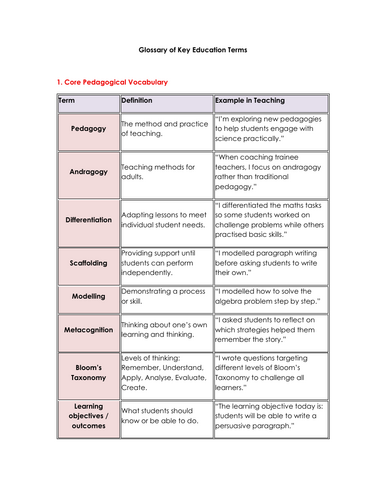
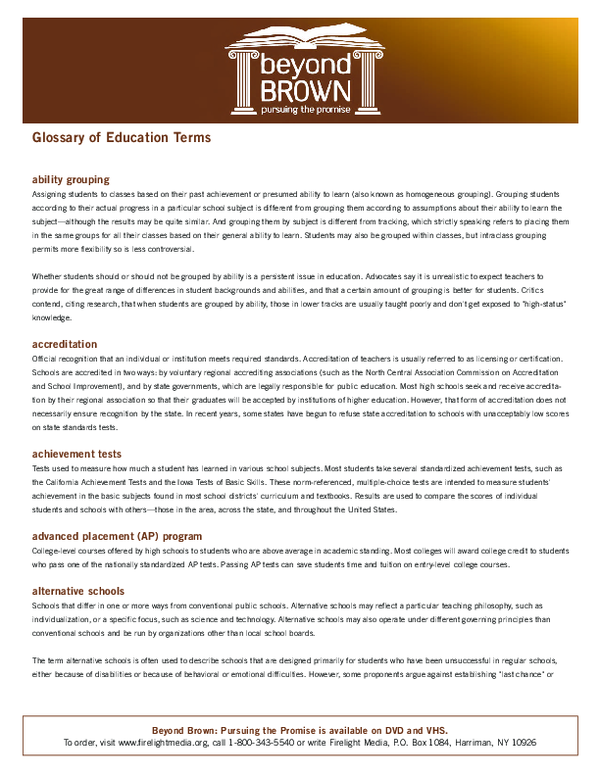
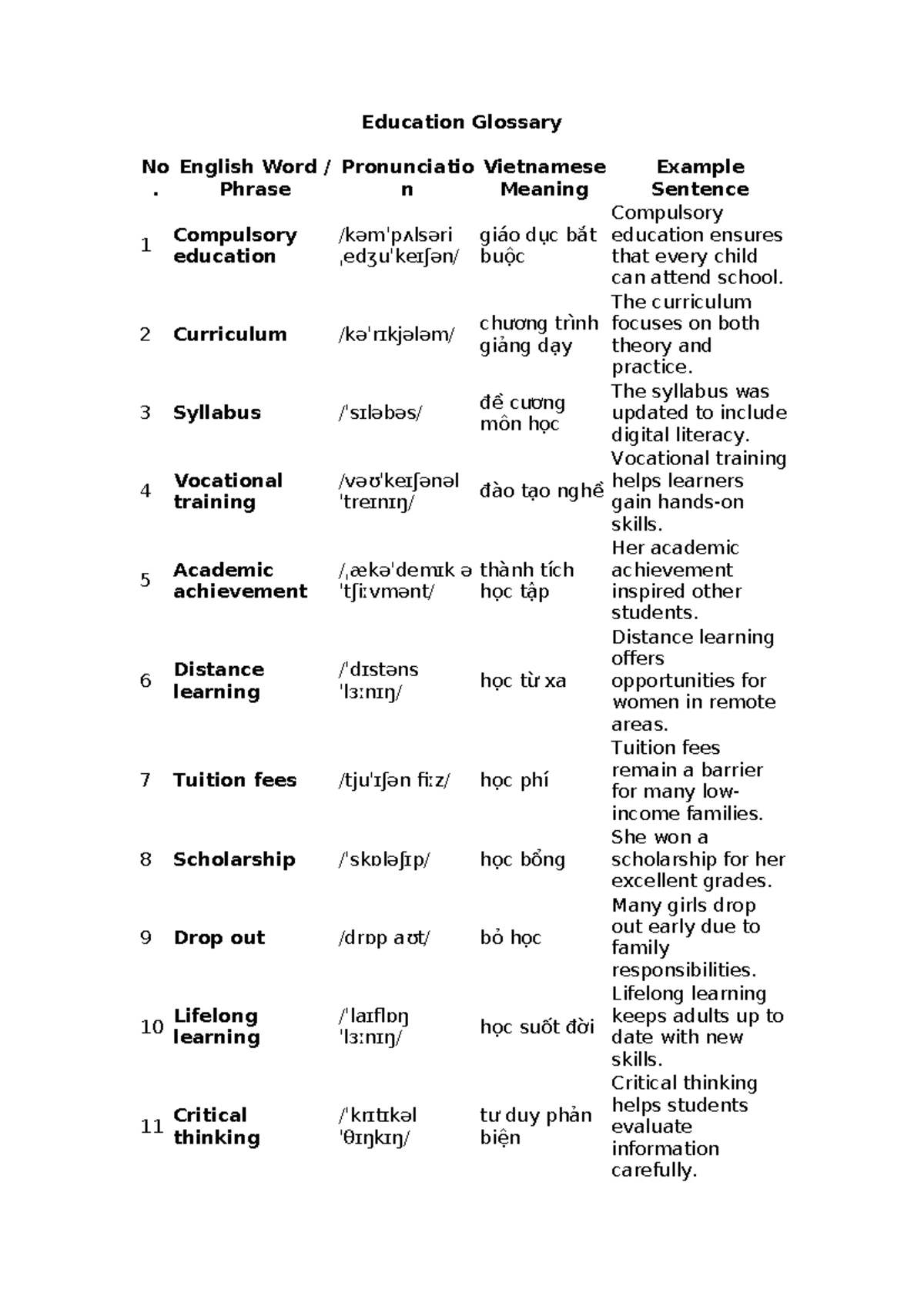
This resource systematically categorizes hundreds of essential terms spanning developmental psychology, standardized testing, special education, and institutional administration. By breaking down dense institutional language into accessible definitions, the material ensures that stakeholders remain fully informed regarding educational policies and instructional methods. Clear definitions support structured Administrative processes, ensuring compliance and smooth communication across school boards and households. The compilation acts as a bridge, translating technical jargon into actionable insights for daily learning support.
Key Learning Outcomes
Users rapidly master foundational education terminology, gaining the fluency needed to interpret student progress reports, Individualized Education Programs (IEPs), and standardized test scores. Comprehending these terms builds confidence during academic planning sessions and facilitates more productive collaborations with instructional staff. Furthermore, familiarity with educational acronyms supports lifelong learners who wish to engage meaningfully with contemporary pedagogical literature and research studies. Related guide: Number Sheet.
Overview & Skill Breakdown
| Focus Area | Target Skill | Best Practice |
|---|---|---|
| Terminology Mastery | Decoding educational acronyms and testing metrics | Review unfamiliar terms prior to formal meetings |
| System Navigation | Understanding institutional policies and program types | Keep the glossary stored alongside student planners |
| Advocacy Support | Applying accurate definitions during educational planning | Highlight recurring terms to track progress |
How to Use This Worksheet
The reference sheets integrate seamlessly into standard binders, professional development packets, and household command centers. Users can consult the glossary whenever unfamiliar terms appear on report cards, homework guidelines, or policy updates from local school districts. Incorporating this resource into regular Worksheet routines and planning sessions ensures that vocabulary acquisition remains continuous and practical.
Practical Tips for Success
Preparation involves printing and hole-punching the glossary pages for immediate insertion into active reference binders or digital folders. Execution requires actively cross-referencing school documents with the definitions provided to clarify ambiguities in real-time. Extension can be achieved by adding custom notes or local district-specific acronyms to blank margins, tailoring the reference guide to unique educational settings.
Stage-Appropriate Recommendations
For early childhood and foundational stages, reference guides focus heavily on developmental milestones and early literacy terminology aligned with National Association for the Education of Young Children (NAEYC) standards. According to NAEYC guidelines, transparent communication between educators and families regarding developmental terminology establishes a cohesive support system for young learners. Advanced stages transition toward higher education metrics, specialized program definitions, and Personal Growth frameworks that empower independent adult learners.
Standardized educational communication significantly improves stakeholder comprehension and active participation in student development pathways — National Center for Education Statistics (NCES)
Frequently Asked Questions
Explore More Free Printable Resources
Enhance your organizational toolkit with additional reference materials, planners, and instructional guides available through the complete library at Free Printable For You.
Images References