Introduction
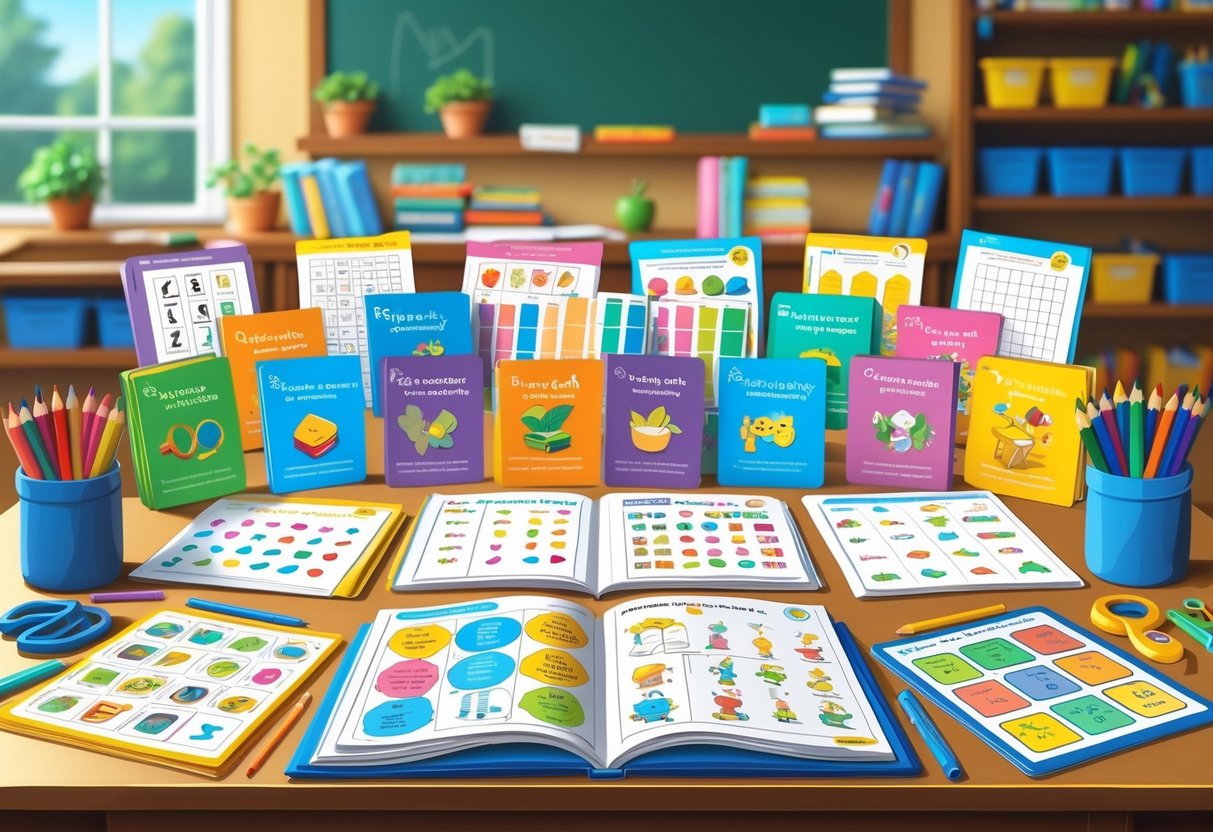
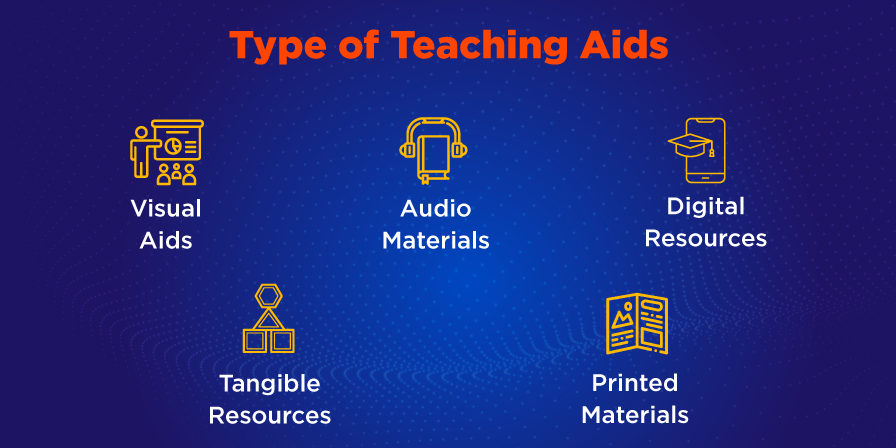
Learning and teaching support material encompasses structured pedagogical tools, visual aids, and reference templates designed to optimize educational delivery and knowledge retention across diverse environments. According to the Education Endowment Foundation, the strategic deployment of structured learning supports and graphic organizers yields an additional five months of academic progress per student over an academic year. By bridging abstract concepts and concrete application, these resources streamline lesson delivery for educators while providing foundational structures for independent learners. Accessing high-quality support materials transforms complex curricula into manageable, step-by-step pathways that foster deep cognitive engagement and sustained academic growth in both classrooms and home-study settings. Related guide: Bloom’S Taxonomy Teacher Planning Kit.
Quick Key Takeaways:
- Core Focus: Systematic learning and teaching support material designed to enhance educational outcomes and operational clarity.
- Target User: Educators, parents, and self-directed learners seeking structured academic and organizational assets.
- Key Recommendation: Align selected support materials directly with current developmental milestones and specific curriculum objectives.
What This Printable Covers
Comprehensive learning and teaching support material addresses core competencies by providing modular frameworks that adapt to varying instructional needs. The resources within this category integrate scaffolding techniques, breaking down complex theories into accessible components that reinforce active recall and conceptual mastery. By establishing clear visual hierarchies and systematic progression routes, these printables bridge foundational knowledge with advanced application. Users navigate structured Academic topics alongside vital Administrative records designed to maintain rigorous standards of progress tracking and classroom management.
Key Learning Outcomes
Targeted educational resources cultivate critical analytical abilities, supporting the transition from passive reception to active synthesis of information. Learners develop enhanced self-regulation and independent problem-solving competencies through consistent interaction with structured task sequences. Additionally, educators and facilitators observe marked improvements in content retention, instructional pacing, and overall engagement metrics. These materials ultimately establish a reliable baseline for longitudinal progress monitoring and skill consolidation.
Overview & Skill Breakdown
| Focus Area | Target Skill | Best Practice |
|---|---|---|
| Cognitive Scaffolding | Concept Breakdown | Pair visual organizers with active note-taking. |
| Progress Tracking | Data Collection | Review milestone metrics on a weekly schedule. |
| Operational Flow | Time Management | Implement timed instructional blocks consistently. |
How to Use This Worksheet
Effective deployment of learning and teaching support material requires deliberate preparation, contextual introduction, and reflective debriefing. Facilitators begin by reviewing the specific instructional objectives, ensuring that the chosen asset matches the developmental stage of the user. Integrating these assets into daily routines requires establishing clear expectations, providing necessary background context, and encouraging active participation rather than passive observation. Supplementary practice can be found within the curated Worksheet archives for daily skill drills.
Practical Tips for Success
Preparation involves laminating physical assets or ensuring digital accessibility prior to the instructional session to minimize transitions and maintain momentum. Execution relies on guiding learners through the initial prompts collectively before transitioning to independent application, thereby reducing cognitive overload and frustration. Extension activities should then challenge advanced participants to synthesize related concepts, while targeted remediation supports those requiring additional reinforcement.
Stage-Appropriate Recommendations
Implementing support materials successfully requires tailoring complexity to developmental readiness, spanning from foundational Early Learning contexts to advanced Personal Growth endeavors. According to the National Association for the Education of Young Children (NAEYC) guidelines, instructional aids for developing minds must prioritize concrete experiences, multisensory engagement, and gradual autonomy over rote memorization. Early childhood applications focus on tactile organization and fundamental literacy scaffolds, whereas adult and advanced settings emphasize metacognitive reflection, strategic planning templates, and complex data synthesis.
5 Months Additional Progress — Education Endowment Foundation
Frequently Asked Questions
Explore More Free Printable Resources
Expanding instructional capabilities is straightforward when utilizing comprehensive template libraries designed for diverse educational environments. Discover endless possibilities to elevate lesson planning, organization, and skill acquisition by browsing the complete selection of professional tools at Free Printable For You.
Images References