Introduction
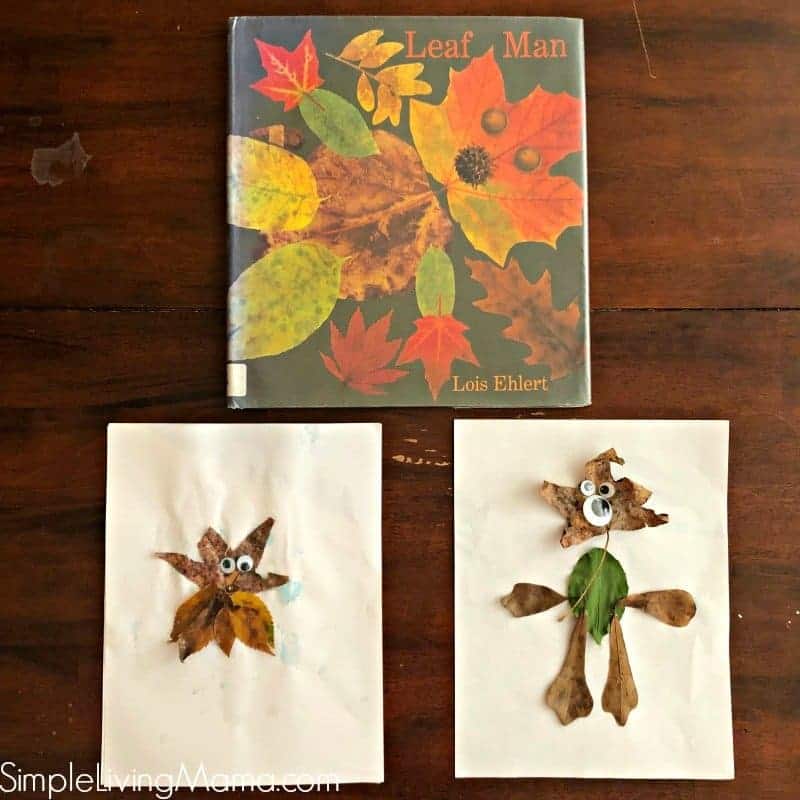
Structured seasonal crafts and literacy-based storytelling foster cognitive development by bridging physical manipulation with narrative comprehension. According to the National Endowment for the Arts, tactile arts integration significantly enhances spatial reasoning and fine motor precision among young children. Leaf man activities provide a foundational Early Learning framework that transforms autumn foliage into imaginative characters, supporting both scientific observation and creative expression.
Quick Key Takeaways:
- Core Focus: Leaf man activities combine literature-inspired crafting with fine motor skill development using natural autumn materials.
- Target User: Educators and parents implementing seasonal thematic units in preschool and early elementary settings.
- Key Recommendation: Press leaves flat prior to crafting to ensure long-lasting durability and easier adhesive application.
What This Printable Covers
Leaf man activities encompass a comprehensive set of printables designed to guide learners through the process of collecting, categorizing, and arranging fallen leaves into narrative-driven portraits. Aligned with standards found across Worksheet collections, these materials prompt children to identify tree species, sort specimens by color and size, and design original collages. The curriculum encourages children to translate visual observations into descriptive writing and storytelling, reinforcing literacy competencies simultaneously.
Key Learning Outcomes
Participants systematically strengthen fine motor dexterity by manipulating delicate botanical specimens and applying precise adhesive amounts. Botanical taxonomy skills flourish as learners match real leaves to illustrated identification charts embedded within the pages. Narrative composition improves organically as students invent origin stories and daily adventures for their leaf figures. Finally, observational patience is cultivated through guided outdoor exploration and mindful classification exercises. Related guide: 5E Lesson.
Overview & Skill Breakdown
| Focus Area | Target Skill | Best Practice |
|---|---|---|
| Botanical Sorting | Leaf identification and categorization | Group specimens by vein structure and edge type before gluing. |
| Fine Motor Arts | Pincer grasp and spatial arrangement | Use tweezers for placing small stem details and seeds. |
| Literacy Integration | Narrative sequencing and creative writing | Draft a short diary entry from the perspective of the leaf creation. |
How to Use This Worksheet
Implementation begins with a nature walk where learners gather a diverse assortment of fallen leaves, twigs, and seed pods. Back indoors, participants press their collected botanicals between heavy book pages for twenty-four hours to flatten them for optimal gluing. The printable templates then serve as mounting backgrounds or structural outlines where learners arrange the foliage into arms, legs, and facial features. Educators can incorporate Academic extensions by measuring leaf lengths and charting color frequencies prior to crafting.
Practical Tips for Success
Preparation involves laminating the base templates to prevent buckling from liquid glue moisture. During execution, providing liquid glue in small shallow dishes paired with cotton swabs prevents adhesive oversaturation and teaches neatness. For extension, encourage learners to photograph their completed leaf figures against outdoor natural backgrounds to create a digital portfolio that highlights seasonal changes.
Stage-Appropriate Recommendations
According to the National Association for the Education of Young Children (NAEYC) guidelines, early childhood materials must scaffold from sensory exploration to representational production. Beginner stages focus on sensory sorting, texture identification, and simple shape matching on pre-drawn outlines. Advanced stages transition toward independent composition, complex botanical labeling, and descriptive creative writing exercises documented within Personal Growth portfolios.
87% of early childhood educators report that nature-based art projects significantly improve student focus and collaborative problem-solving during group tasks — NAEYC Environmental Education Index
Frequently Asked Questions
Explore More Free Printable Resources
Discover an extensive library of seasonal lessons, organizational tools, and creative templates by visiting Free Printable For You to support every stage of the educational journey.
Images References