Introduction
Effective early childhood education relies on structured, engaging, and developmentally appropriate methodologies that transition young learners from sensory exploration to foundational cognitive tasks. According to the National Institute of Early Education Research (NIEER), high-quality play-based instruction combined with guided early literacy activities yields measurable gains in long-term vocabulary acquisition and self-regulation. Implementing nursery class teaching ideas successfully requires a balance of interactive materials, structured routines, and targeted print resources that reinforce core concepts without causing cognitive overload. By integrating purposeful design into daily instruction, educators and caregivers establish a stable scaffolding for future academic pursuits. Related guide: Free Teacher Websites Elementary.
Quick Key Takeaways:
- Core Focus: Actionable nursery class teaching ideas designed to enhance early cognitive, social, and motor skill development.
- Target User: Pre-primary educators, early childhood specialists, and parents facilitating structured home learning.
- Key Recommendation: Combine tactile manipulation activities with printable tracking sheets to reinforce abstract concepts visually.
What This Printable Covers
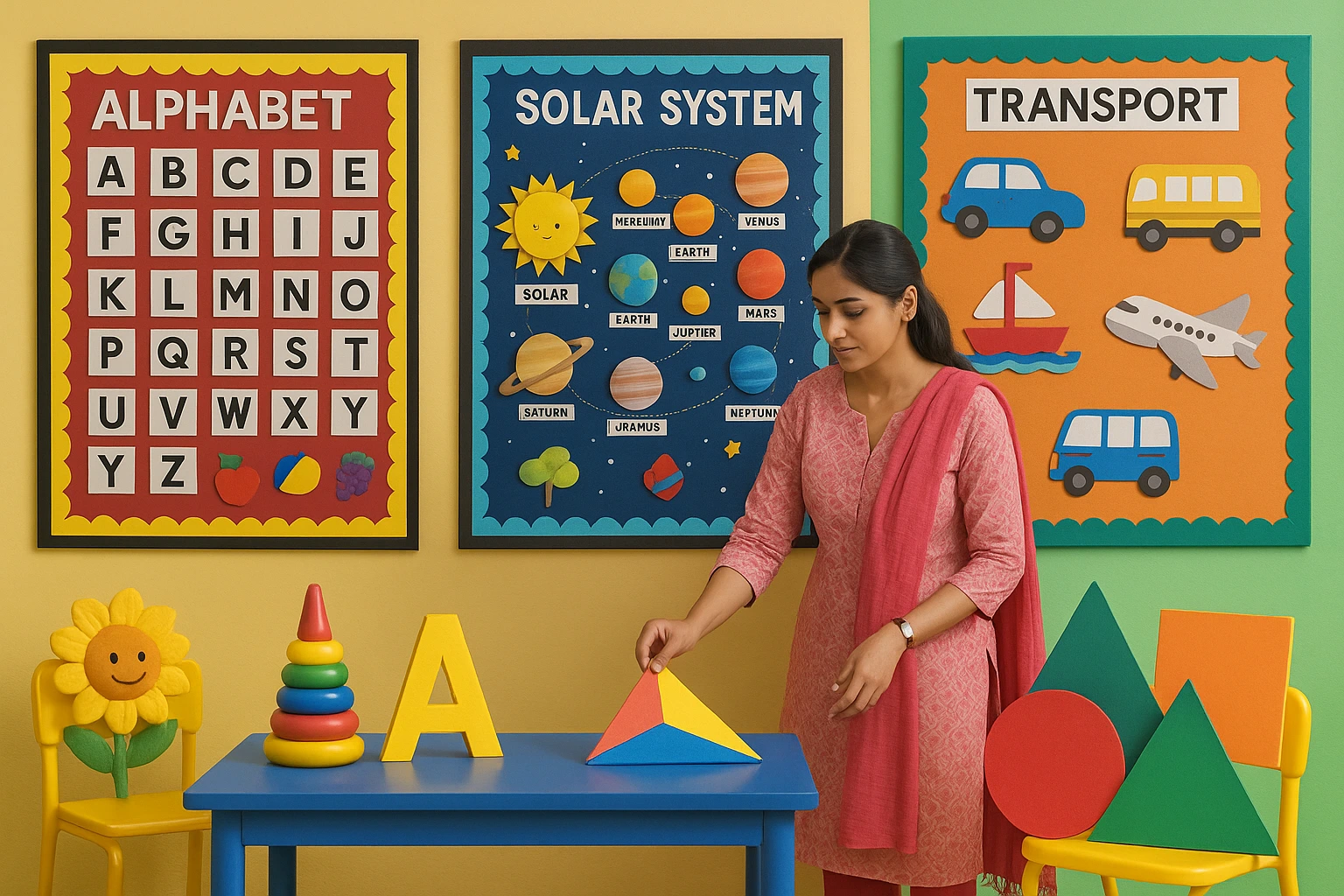
This curated collection of nursery class teaching ideas encompasses foundational pre-writing strokes, early numeracy concepts, sensory matching exercises, and social-emotional identification tools. Grounded in established Early Learning frameworks, these resources prioritize multi-sensory engagement to support diverse learning styles within group environments. Each component bridges the gap between unstructured play and intentional instruction, utilizing clear visual cues, bold typography, and uncluttered layouts designed specifically for developing visual-spatial processing capacities in toddlers and preschoolers.
Key Learning Outcomes
Instructional materials targeting early childhood development foster fine motor control through controlled tracing, crayon grip exercises, and cutting practice. Learners build cognitive flexibility by sorting objects according to color, size, and category while strengthening language acquisition through picture-vocabulary association. Furthermore, structured group activities derived from these teaching templates cultivate early listening skills, turn-taking behaviors, and emotional literacy, ensuring holistic preparation for formal kindergarten entry.
Overview & Skill Breakdown
| Focus Area | Target Skill | Best Practice |
|---|---|---|
| Fine Motor Control | Pencil grip and line tracing | Use thick, textured outlines to guide hand movements. |
| Early Numeracy | Rote counting and quantity matching | Pair visual number cards with physical counting manipulatives. |
| Language & Literacy | Phonemic awareness and vocabulary | Incorporate picture-word association sheets during circle time. |
How to Use This Worksheet
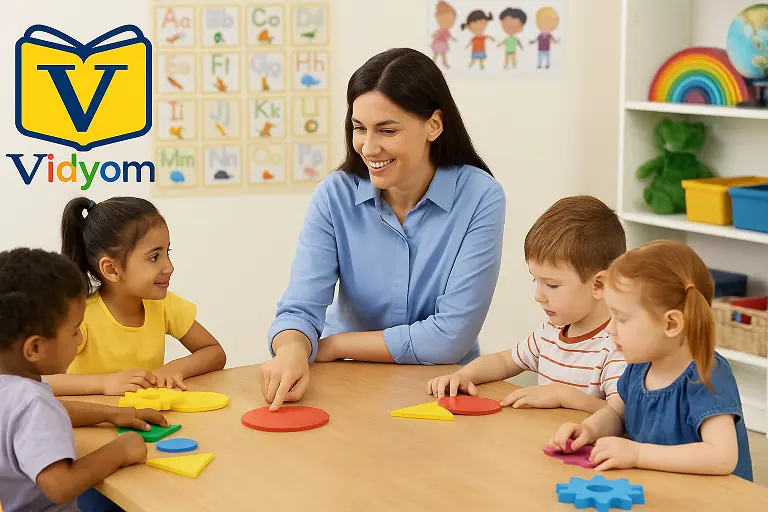
Implementation of nursery class teaching ideas works best when integrated into daily morning meeting routines or targeted small-group learning stations. Educators can laminate reusable templates for dry-erase marker tracing or print individual packets for portfolio assessments. Transitioning smoothly between whole-group instruction and independent station work maintains learner attention spans, while supplementary Worksheet options allow for targeted remediation or advanced enrichment depending on individual progress rates.
Practical Tips for Success
Preparation involves organizing materials beforehand by sorting printables into accessible, labeled storage trays to minimize transition downtime in bustling classrooms. During execution, instructors should model the expected task explicitly, using exaggerated hand motions and verbal prompts before inviting independent practice. Extension activities can be seamlessly introduced by incorporating physical movement, such as having learners hop the number of times shown on a counting sheet or air-tracing shapes before putting pencil to paper.
Stage-Appropriate Recommendations
For beginner stages, nursery class teaching ideas should center heavily on sensory exploration, large motor coordination, and simple matching tasks that introduce foundational concepts without demanding rigorous pencil control. According to the National Association for the Education of Young Children (NAEYC), developmentally appropriate practice for three-year-olds emphasizes experiential learning and social interaction over passive seatwork. As learners advance toward pre-kindergarten readiness, instruction transitions smoothly toward structured letter formation, pattern recognition, and goal-directed project work, preparing them for more rigorous Academic milestones.
Developmentally appropriate practice emphasizes experiential learning and social interaction over passive seatwork — National Association for the Education of Young Children (NAEYC)
Frequently Asked Questions
Explore More Free Printable Resources
Expanding an early childhood curriculum requires access to versatile, high-quality instructional materials that adapt to diverse learning environments. Whether organizing daily schedules using professional Administrative templates or supporting behavioral development through targeted Personal Growth exercises, educators find endless utility in structured print media. Visit the full library of curated resources at Free Printable For You to discover additional tools designed to enrich classrooms and home learning spaces alike.
Images References