Introduction
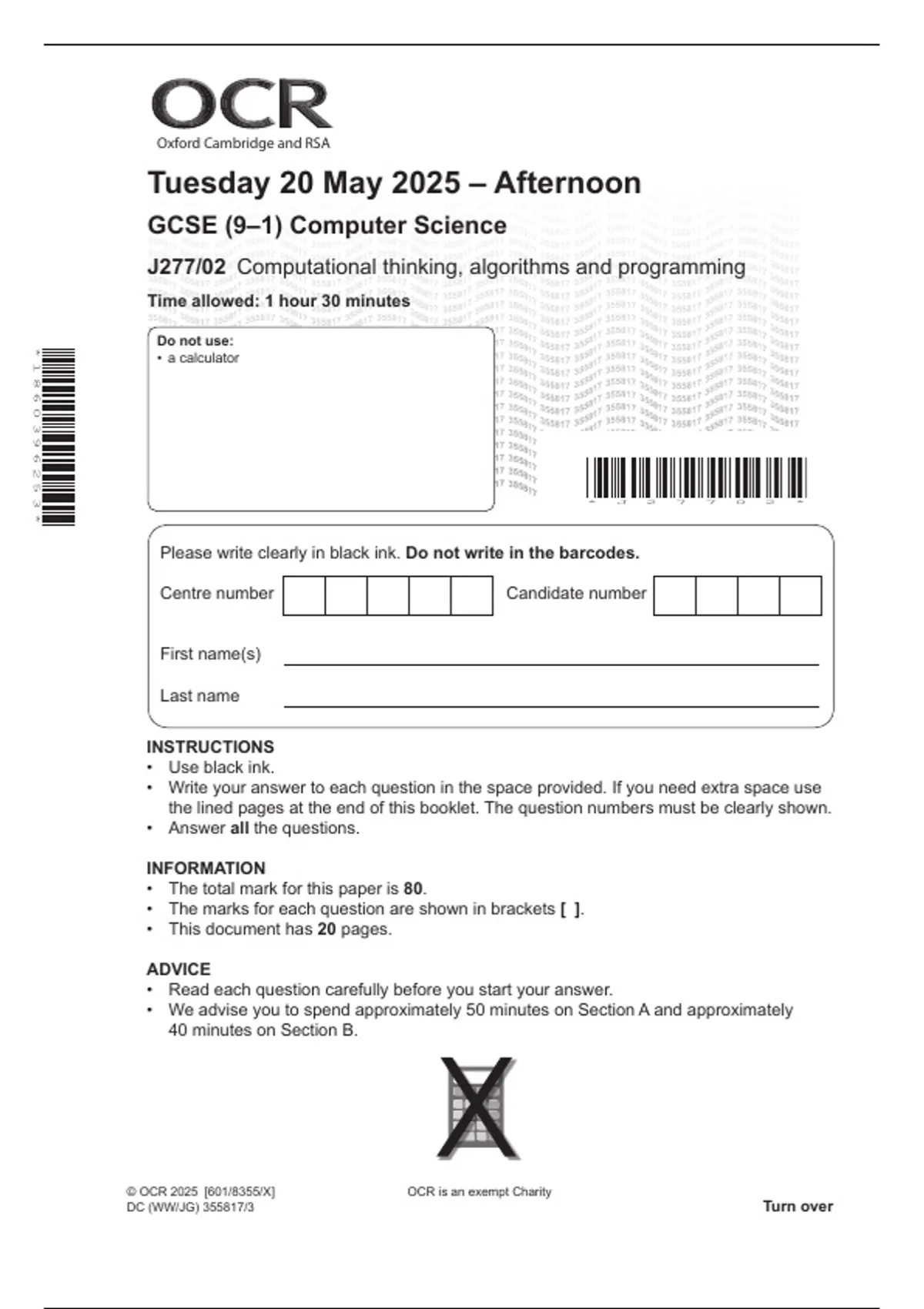
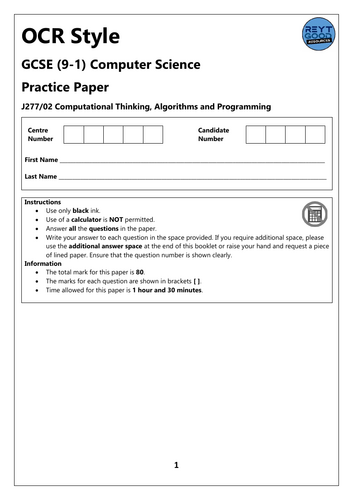
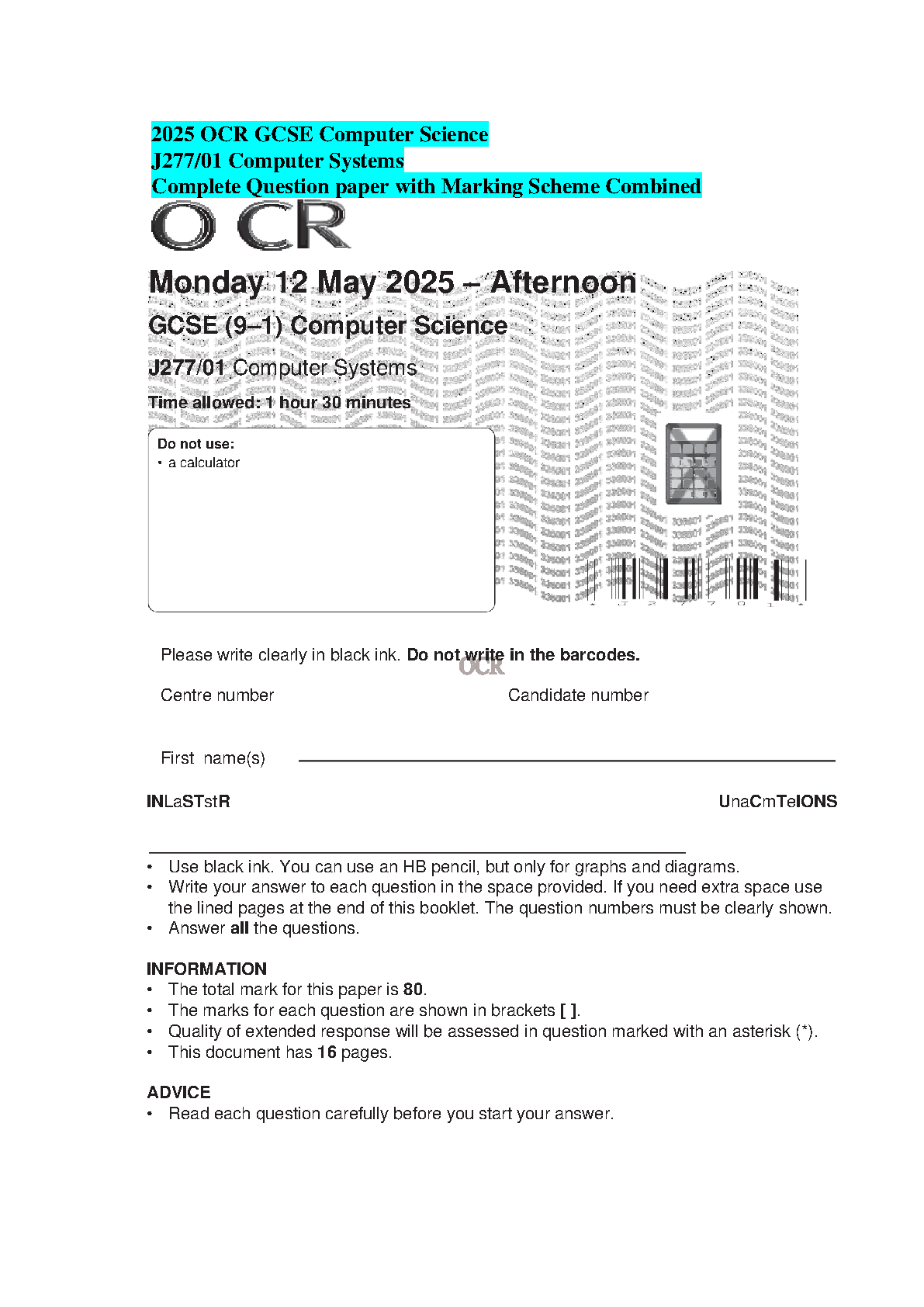
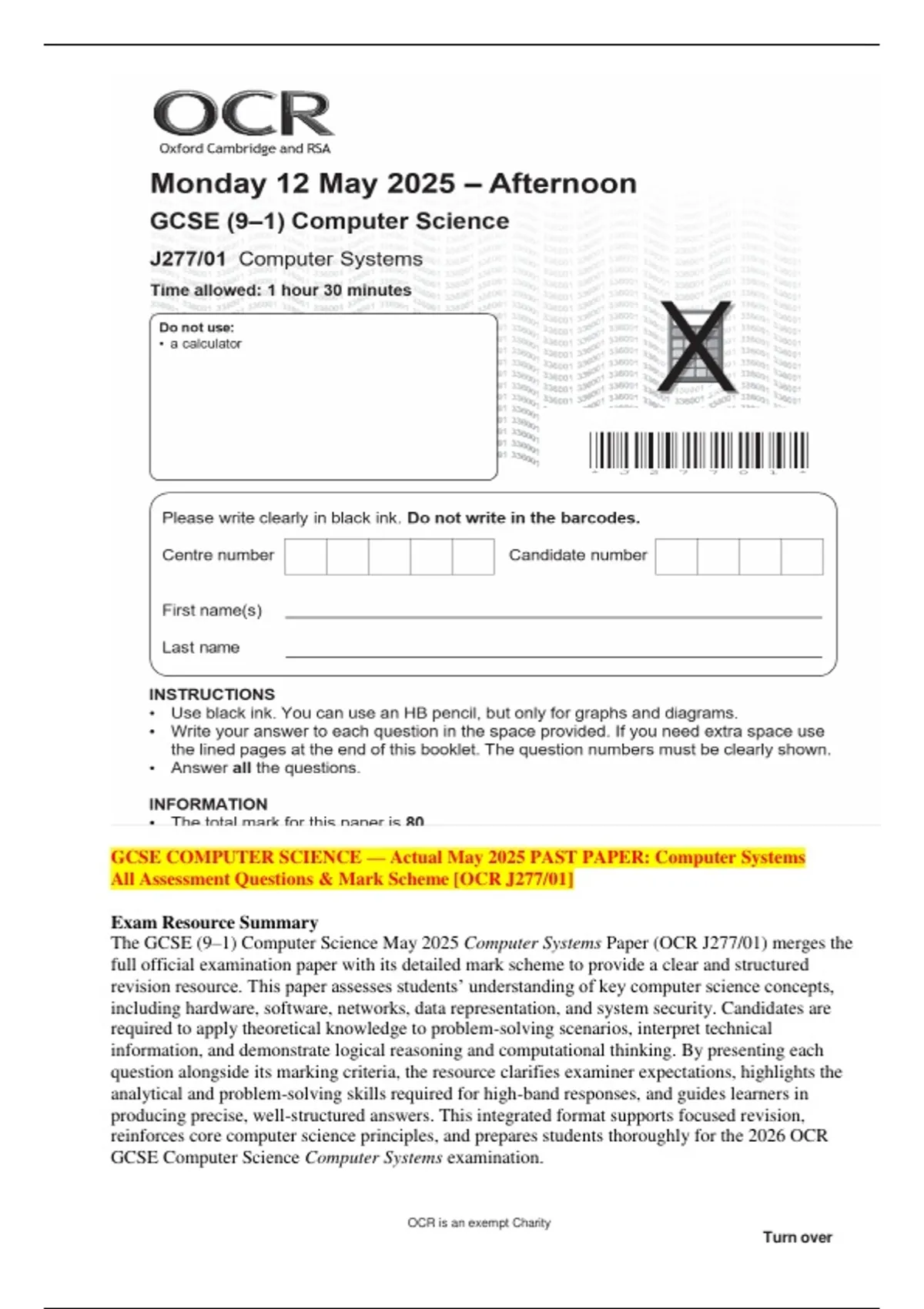
OCR J277 past papers serve as essential diagnostic tools for mastering the General Certificate of Secondary Education Computer Science curriculum, providing authentic examination material that mirrors official assessment structures. According to the Educational Endowment Foundation, systematic retrieval practice utilizing historical examination papers significantly enhances long-term knowledge retention and reduces cognitive load during high-stakes testing environments. Utilizing ocr j277 past papers bridges the gap between theoretical computing concepts and application-based problem solving, ensuring students develop the technical competencies required for academic success. Accessing these structured resources supports targeted revision schedules, familiarizes learners with command words, and refines time management strategies ahead of the final GCSE assessments. Related guide: Free Pebblego.
Quick Key Takeaways:
- Core Focus: Systematic revision and exam preparation using authentic ocr j277 past papers.
- Target User: Secondary educators, homeschooling parents, and GCSE computer science students.
- Key Recommendation: Combine timed paper completions with detailed mark scheme analysis to identify knowledge gaps.
What This Printable Covers
The structured compilation of practice materials addresses both assessment components of the qualification, namely Computer Systems (Component 01) and Computational Thinking, Algorithms, and Programming (Component 02). By engaging with these documents, learners navigate complex topics such as systems architecture, computer memory, network topologies, system security, and ethical considerations. Furthermore, the materials reinforce programming techniques, robust algorithm design, Boolean logic, and data representation models. Alignment with official specification standards ensures that every practice session directly contributes to syllabus mastery, preparing candidates to tackle varied question formats ranging from multiple-choice inquiries to extended response programming evaluations.
Key Learning Outcomes
Engaging rigorously with historical assessment documents cultivates advanced analytical reasoning and technical literacy. Learners cultivate the ability to dissect complex scenario-based problems, trace algorithms accurately, and construct efficient pseudo-code solutions. Additionally, students master the precise technical vocabulary demanded by examiners, ensuring explanations regarding hardware limitations, software protocols, and ethical dilemmas remain concise and accurate. Evaluating responses against official marking criteria develops critical self-assessment skills, allowing individuals to pinpoint recurring misconceptions and refine their written communication under timed constraints.
Overview & Skill Breakdown
| Focus Area | Target Skill | Best Practice |
|---|---|---|
| Systems Architecture | Hardware identification and CPU component analysis | Annotate diagrams and practice defining core registers clearly. |
| Computational Thinking | Decomposition, abstraction, and algorithmic tracing | Walk through dry runs of loops and conditional statements systematically. |
| Programming Techniques | Syntax application, data types, and error debugging | Write modular code structures and verify logic against test tables. |
How to Use This Worksheet
Implementing these assessment resources requires a structured approach that moves beyond passive reading into active, simulated examination conditions. Educators and learners should initially review untimed practice sets to build baseline competence across unfamiliar topics before transitioning to strictly timed mock examinations that replicate real test pressures. Following each completion session, dedicated time must be allocated for thorough self-marking using official mark schemes, paying close attention to specific phrasing required for full credit allocation. Integrating supplementary tools from the Academic section helps organize revision timetables and track ongoing performance improvements across successive mock attempts.
Practical Tips for Success
Preparation involves establishing a quiet, distraction-free environment equipped with authorized stationery and reference materials permitted by the examining body. During execution, candidates must read each prompt twice, highlighting key command words like ‘discuss’, ‘calculate’, or ‘state’ to tailor responses appropriately without exceeding the allocated space. Extension activities should involve rewriting substandard answers to incorporate missing technical terminology, thereby reinforcing correct conceptual understanding for future revision cycles and building overall examination resilience.
Stage-Appropriate Recommendations
Initial stages of study benefit from topic-filtered practice, allowing learners to consolidate foundational understanding of binary conversions, logic gates, and network protocols before attempting full-length question papers. Advanced phases require complete, unassisted mock papers completed under strict examination timing to build endurance and refine pacing across both theory and programming components. According to the International Organization for Standardization (ISO) guidelines on quality management in educational testing, standardized diagnostic evaluations ensure reliable measurement of skill progression and objective identification of intervention needs. Utilizing structured templates from the Administrative category assists in tracking scores and maintaining a clear overview of syllabus coverage.
Systematic retrieval practice using historical examination papers significantly enhances long-term knowledge retention and reduces cognitive load during high-stakes testing environments. — Educational Endowment Foundation
Frequently Asked Questions
Explore More Free Printable Resources
Enhance your study environment by discovering additional tools, including specialized Worksheet layouts and Personal Growth planners designed to optimize organization and focus. Visit Free Printable For You to browse the complete library of educational materials.
Images References