Introduction
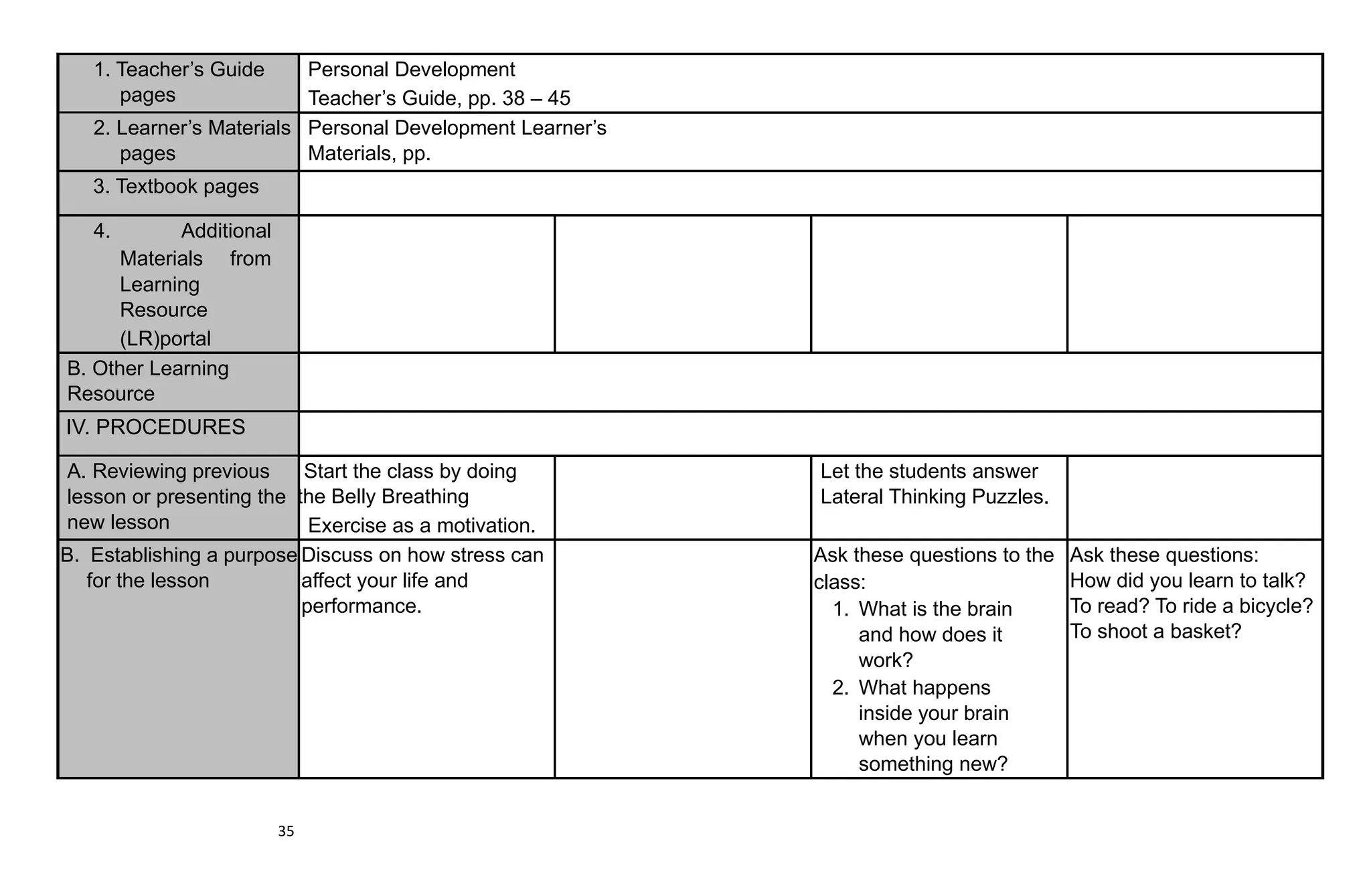
A personal development teachers guide functions as an essential structural roadmap designed to cultivate emotional intelligence, self-regulation, and lifelong goal-setting in learners of all ages. According to the American Psychological Association (APA), intentional social-emotional learning interventions significantly improve academic performance, prosocial behavior, and psychological well-being. By utilizing a structured personal development teachers guide, educators, parents, and facilitators can systematically track individual progress, introduce foundational coping strategies, and foster an environment of continuous self-improvement without requiring extensive preparation time. Related guide: Pedagogy Study Material Pdf.
Quick Key Takeaways:
- Core Focus: A comprehensive instructional blueprint for facilitating self-awareness, emotional resilience, and goal attainment.
- Target User: Educators, homeschool parents, and mentors guiding students through Personal Growth milestones.
- Key Recommendation: Pair the guide with structured reflection logs for maximum retention and habit formation.
What This Printable Covers
This printable resource bridges the gap between abstract psychological concepts and daily habit formation by providing actionable frameworks, journaling prompts, and behavioral tracking charts. The curriculum aligns with modern educational standards, emphasizing introspective questioning, emotional vocabulary expansion, and proactive problem-solving strategies. Users systematically navigate through stages of self-discovery, learning how to identify personal strengths, establish realistic milestones, and overcome self-limiting beliefs through guided Worksheet activities.
Key Learning Outcomes
Learners cultivate heightened self-awareness by evaluating personal emotional triggers and behavioral responses in real time. Participants master structured goal-setting methodologies, breaking long-term ambitions into manageable daily habits while tracking consistent progress. Furthermore, individuals strengthen critical thinking skills by assessing their own decision-making processes, adapting to constructive feedback, and developing sustainable stress-management techniques suitable for both academic and personal environments.
Overview & Skill Breakdown
| Focus Area | Target Skill | Best Practice |
|---|---|---|
| Emotional Regulation | Identifying and naming complex feelings | Use daily mood tracking charts |
| Goal Setting | Formulating SMART objectives | Break goals into weekly milestones |
| Reflective Practice | Evaluating personal habits and growth | Incorporate weekly journal reviews |
How to Use This Worksheet
Implementation requires a supportive, non-judgmental environment where learners feel secure expressing vulnerability and exploring areas for improvement. Facilitators should review the instructional pages prior to sessions, ensuring a clear understanding of each developmental domain. The materials integrate seamlessly alongside structured Academic curricula or during dedicated advisory periods, morning meetings, and home-study sessions.
Practical Tips for Success
Preparation involves printing sufficient copies of each module and gathering designated writing instruments to establish a dedicated personal growth binder. During execution, encourage honest self-assessment over perfectionism, allowing learners to make mistakes and analyze missteps constructively. For extension, pair the printed exercises with peer discussion circles or mentorship check-ins to reinforce accountability and deepen interpersonal communication skills.
Stage-Appropriate Recommendations
For early learners and foundational stages, focus shifts toward basic emotional vocabulary, kindness, and simple routine building, drawing inspiration from established frameworks like the Collaborative for Academic, Social, and Emotional Learning (CASEL) standards. According to CASEL, systemic integration of self-awareness competencies in foundational years builds lifelong emotional resilience. Advanced stages transition toward intricate values clarification, time management, and professional mindset cultivation, ensuring scalable relevance across diverse educational landscapes.
Systemic implementation of self-awareness competencies significantly enhances long-term emotional resilience and behavioral adaptability — Collaborative for Academic, Social, and Emotional Learning (CASEL)
Frequently Asked Questions
- How do I download the guide? Simply click the download button on the resource page to instantly access and print the PDF file.
- What is the practical benefit? It provides a clear, structured roadmap to foster emotional intelligence, resilience, and personal goal-tracking.
- Which framework is used? The materials align with CASEL standards for social-emotional learning and positive youth development.
Explore More Free Printable Resources
Expanding a complete educational toolkit is simple with additional specialized materials designed to support every phase of the learning journey. Browse complementary categories including Early Learning and Administrative templates to keep every learning space organized, inspired, and fully equipped. Visit Free Printable For You to explore the entire catalog today.
Images References