Introduction
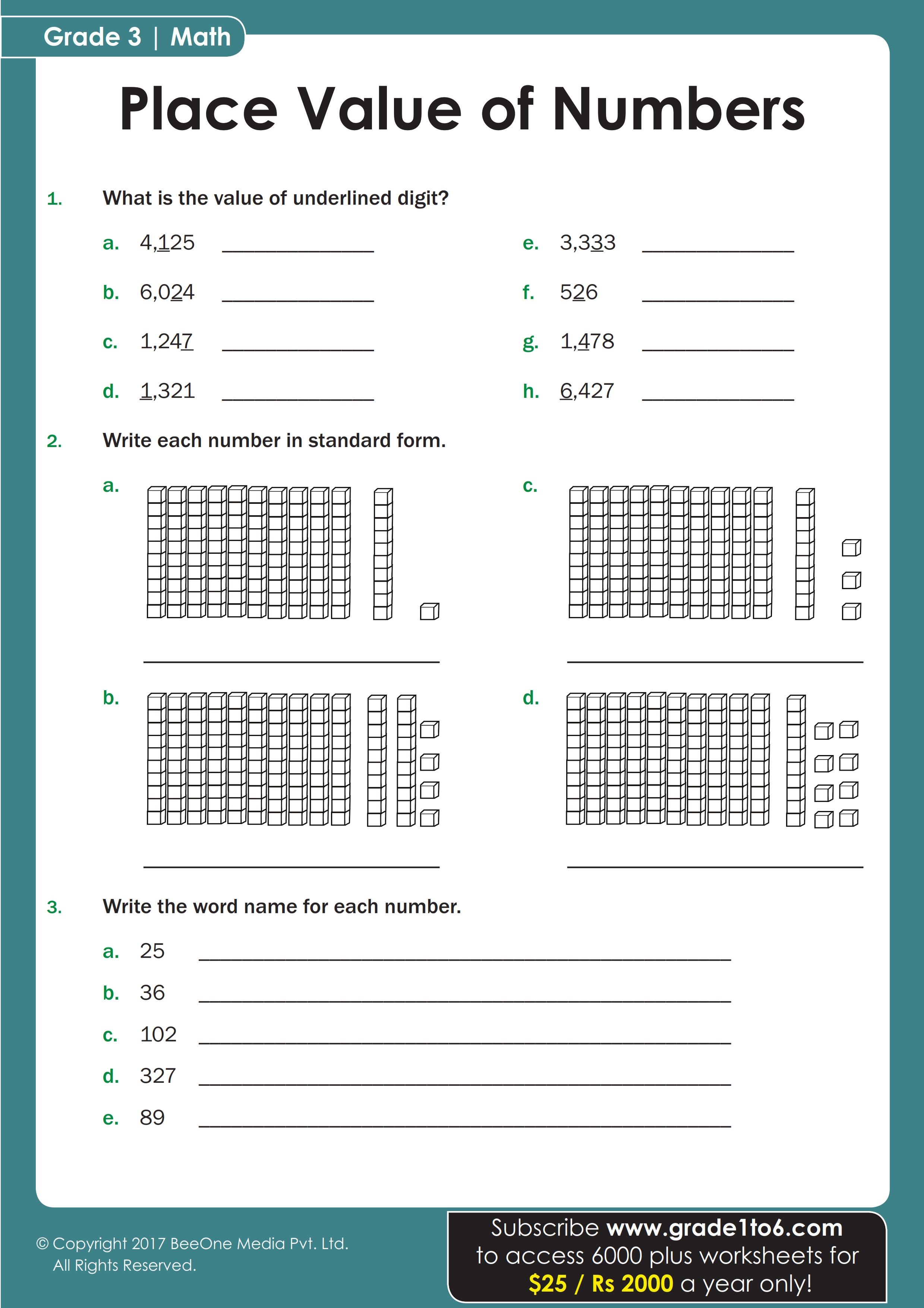
A structured place value work sheet provides foundational practice in mathematics by helping learners understand that the position of a digit determines its numerical value. According to the National Council of Teachers of Mathematics, students who manipulate base-ten representations through targeted pencil-and-paper exercises develop stronger multi-digit computation skills than those relying solely on digital instruction. Mastering this concept is critical for transitioning from basic counting to advanced arithmetic, making a well-designed worksheet an indispensable tool for structured Academic advancement.
Quick Key Takeaways:
- Core Focus: A place value work sheet reinforces the base-ten numbering system through targeted decomposition and composition exercises.
- Target User: Elementary students, special education educators, and parents supporting foundational math development at home.
- Key Recommendation: Pair written exercises with physical manipulatives like base-ten blocks to bridge abstract symbols and concrete quantities.
What This Printable Covers
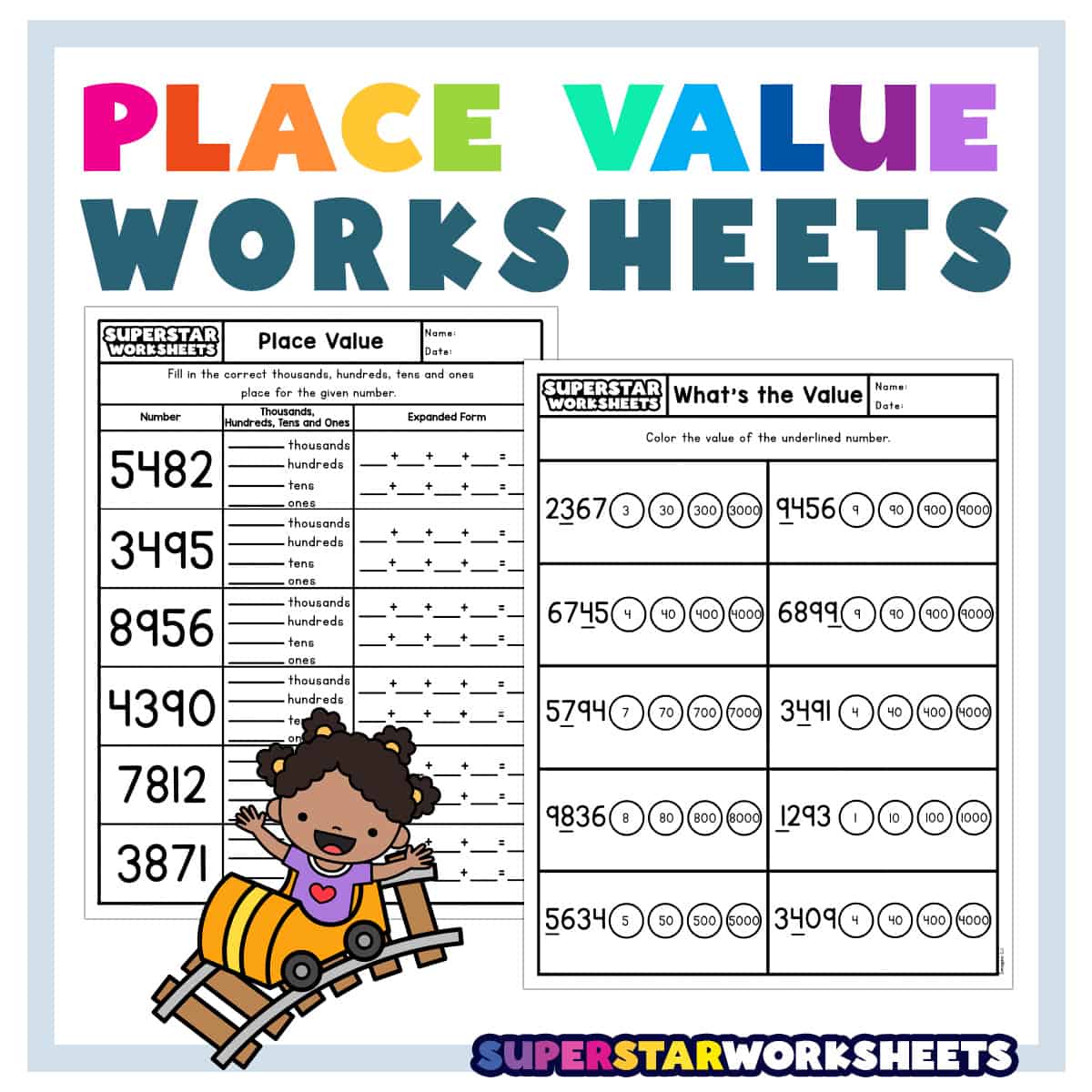
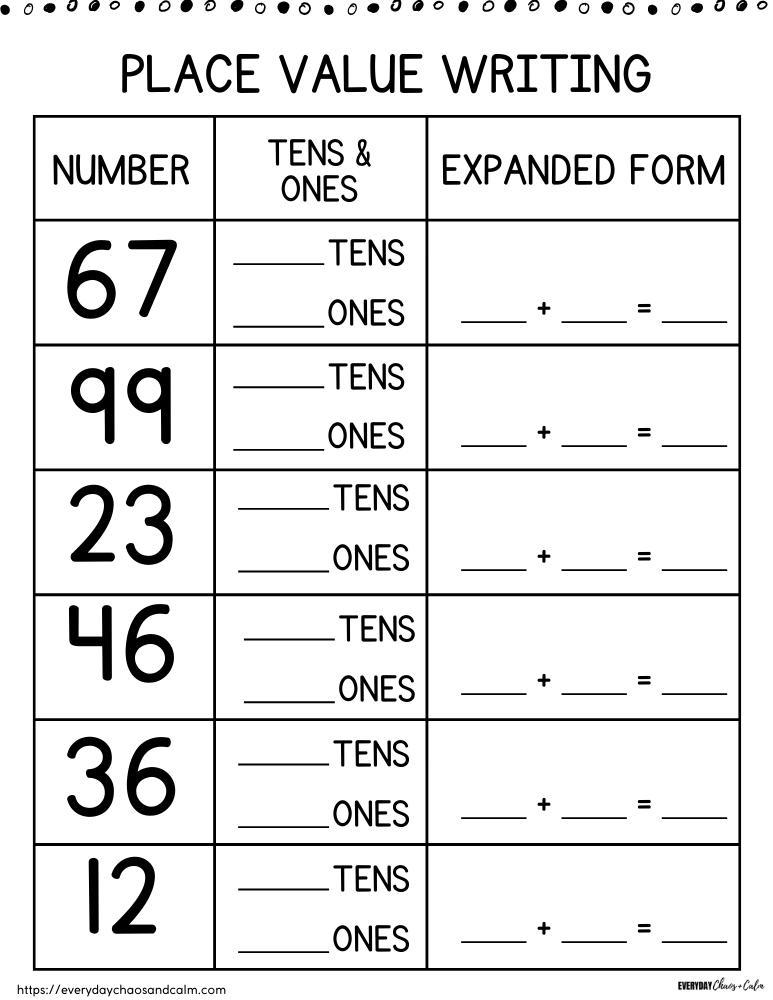
The place value work sheet systematically addresses the foundational principles of the base-ten numeration system, guiding learners from standard form to expanded notation and word form. Content aligns closely with the National Association for the Education of Young Children (NAEYC) guidelines for developmentally appropriate practice, ensuring that cognitive loads match the developmental stages of the learners. Exercises transition seamlessly from identifying tens and ones in two-digit numbers to reading and writing numbers extending into the millions.
Key Learning Outcomes
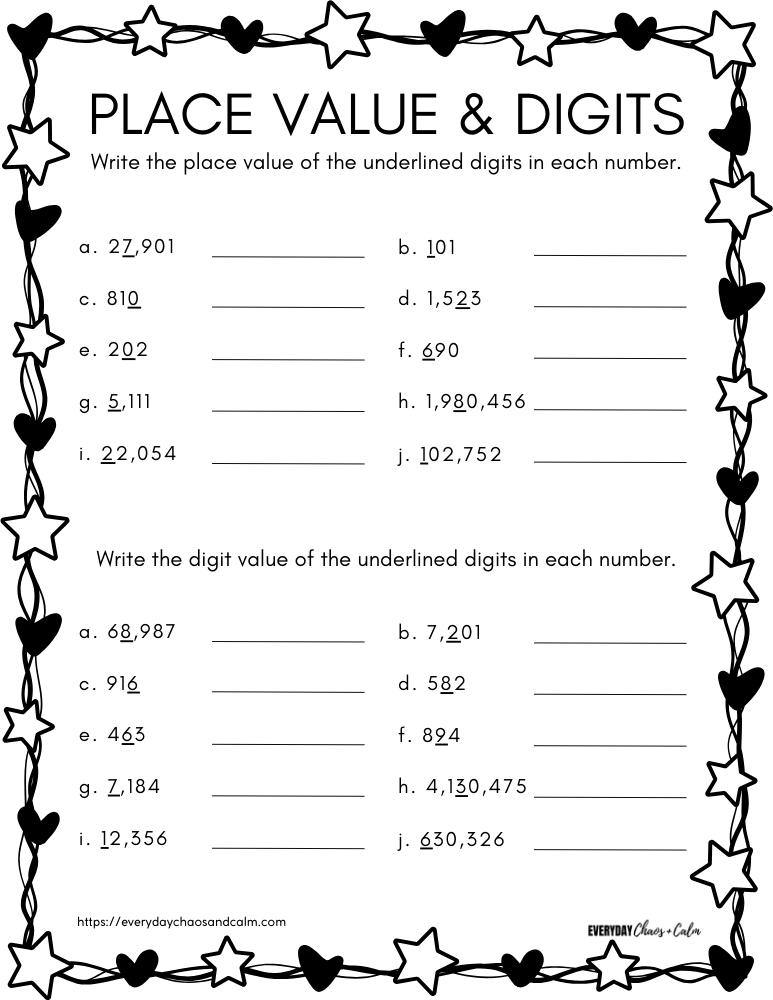
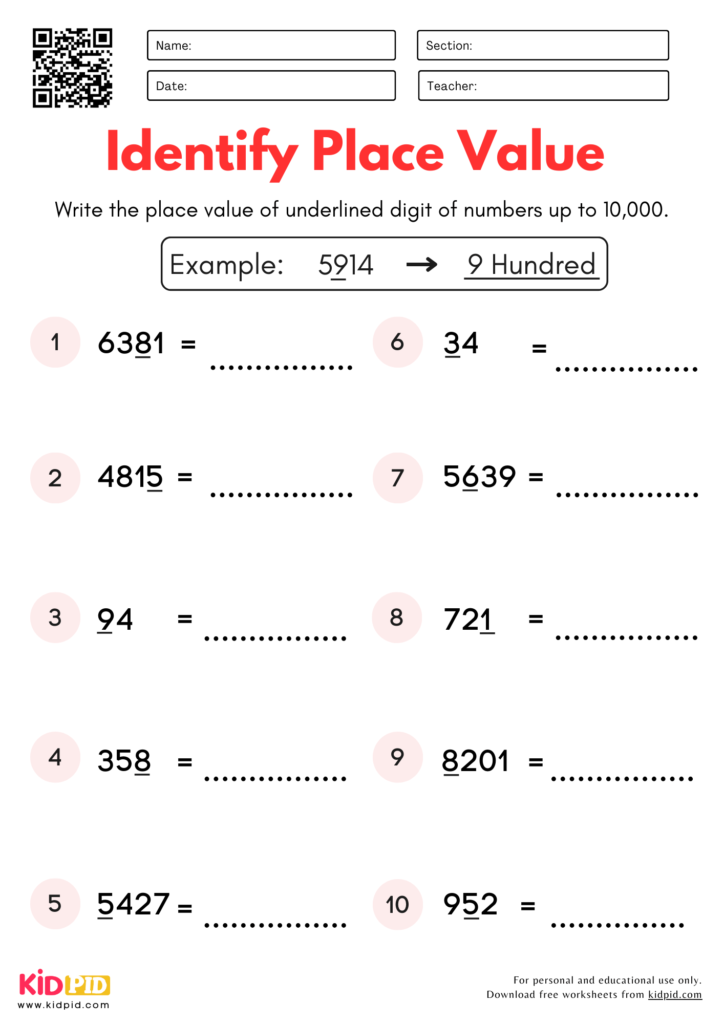
Learners using these printables gain the ability to accurately identify the place value of specific digits within a given number. Furthermore, students build proficiency in converting numbers between standard, expanded, and written forms, which strengthens number sense. Another vital outcome is the mastery of comparing large numbers by evaluating digits from left to right, cementing analytical skills required for future mathematical success. Related guide: Upcoming Free Webinars 2022 With Certificate For Teachers.
Overview & Skill Breakdown
| Focus Area | Target Skill | Best Practice |
|---|---|---|
| Identification | Recognizing tens and ones positions | Use color-coding for different columns |
| Composition | Building expanded notation from standard form | Say numbers aloud while writing them |
| Comparison | Evaluating greater than and less than values | Compare highest place value columns first |
How to Use This Worksheet
Implementing a place value work sheet effectively involves establishing a predictable routine during math centers, homework sessions, or small-group interventions. Educators can distribute the printables to assess baseline understanding prior to introducing multi-digit addition and subtraction algorithms. For home settings, setting aside a dedicated workspace with adequate lighting and writing tools helps maintain focus and encourages neat column alignment.
Practical Tips for Success
Preparation involves reviewing the specific difficulty tier of the chosen printable to match current learning objectives. During execution, encourage learners to read each number aloud to reinforce the auditory connection to the written digits. For extension, challenge advanced students to create their own multi-digit numbers and write out the corresponding expanded notations on the back of the paper.
Stage-Appropriate Recommendations
Beginner learners benefit from sheets focusing exclusively on tens and ones, utilizing visual prompts like tally marks and counting blocks to anchor abstract concepts. According to the National Association for the Education of Young Children (NAEYC) standards for early mathematics, scaffolding instruction with visual aids prevents cognitive overload. Advanced learners should transition to printables incorporating decimals, millions periods, and rounding exercises to maintain academic rigor.
Students utilizing structured base-ten practice sheets demonstrate a notable increase in multi-digit addition fluency — National Council of Teachers of Mathematics
Frequently Asked Questions
Explore More Free Printable Resources
Building a comprehensive math curriculum requires access to diverse educational materials that engage learners at every level of development. Discover supplementary tools tailored for Early Learning classrooms or organize household schedules using options found within the Administrative category. For holistic student progress, explore printable resources dedicated to Personal Growth. Visit the main library at Free Printable For You to browse the entire collection of organized educational assets designed for seamless classroom and home integration.
Images References