
Introduction
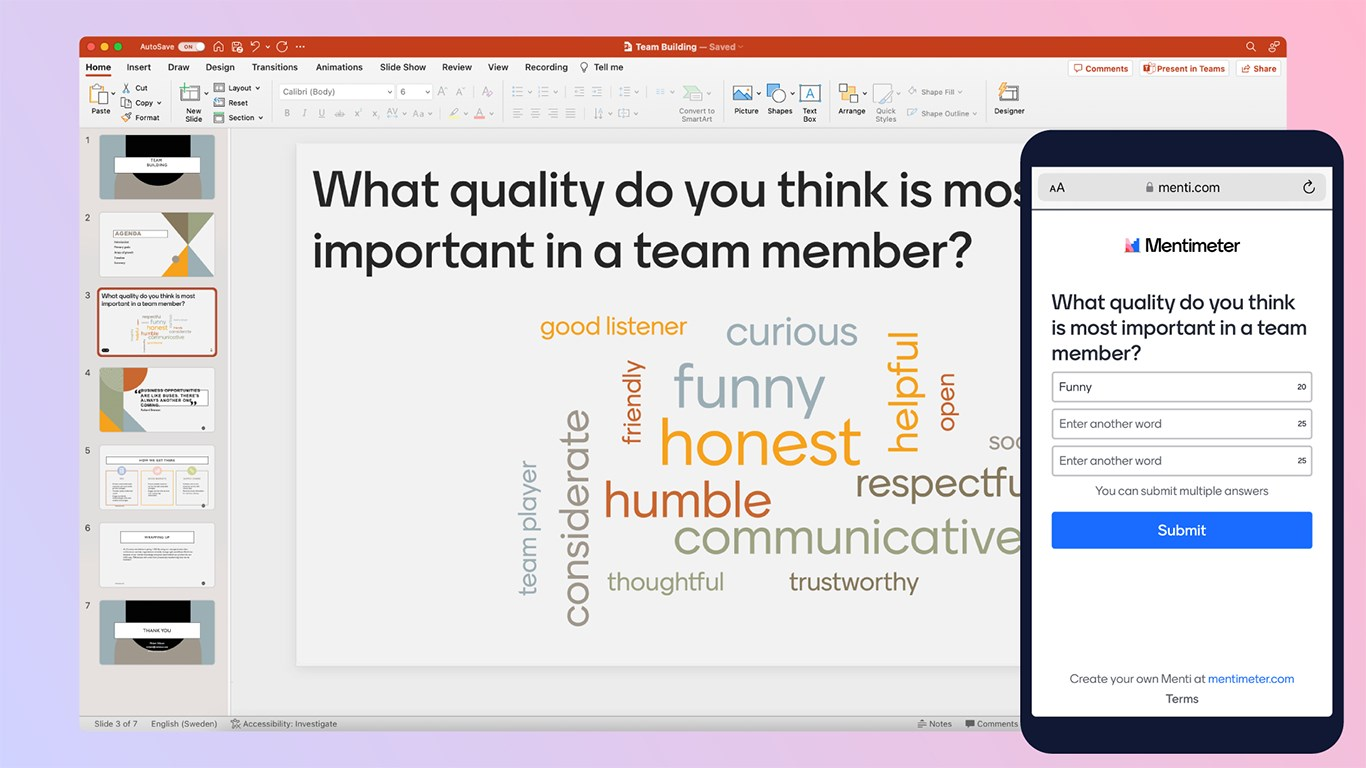
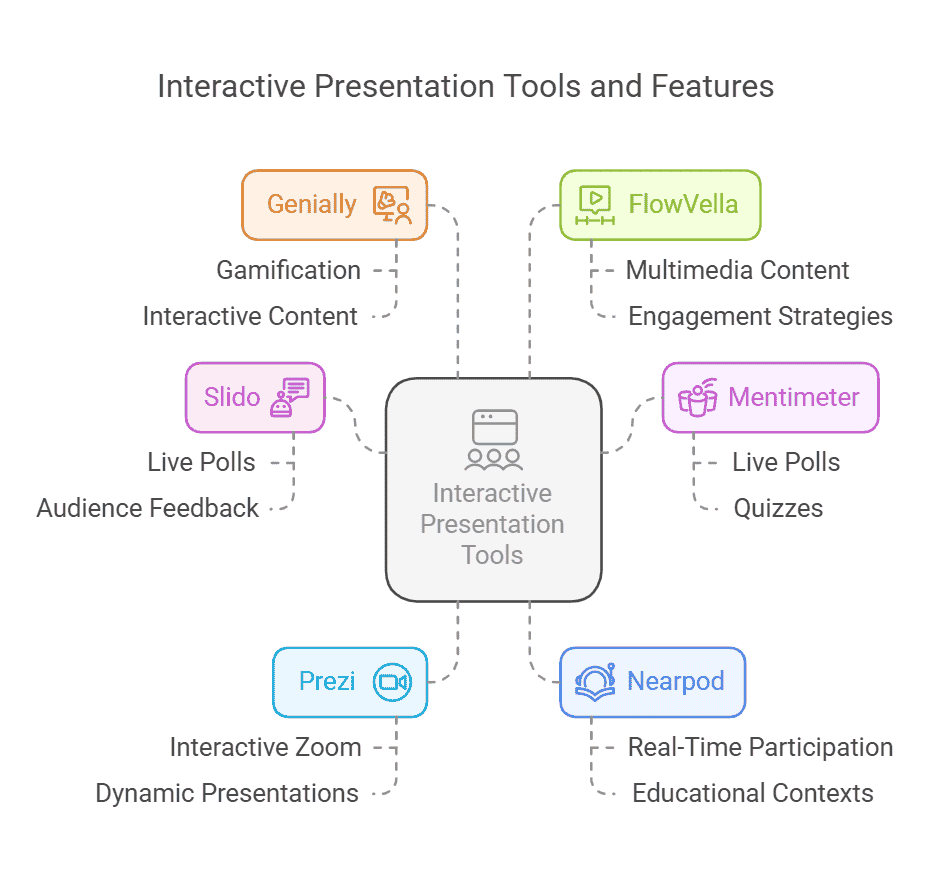
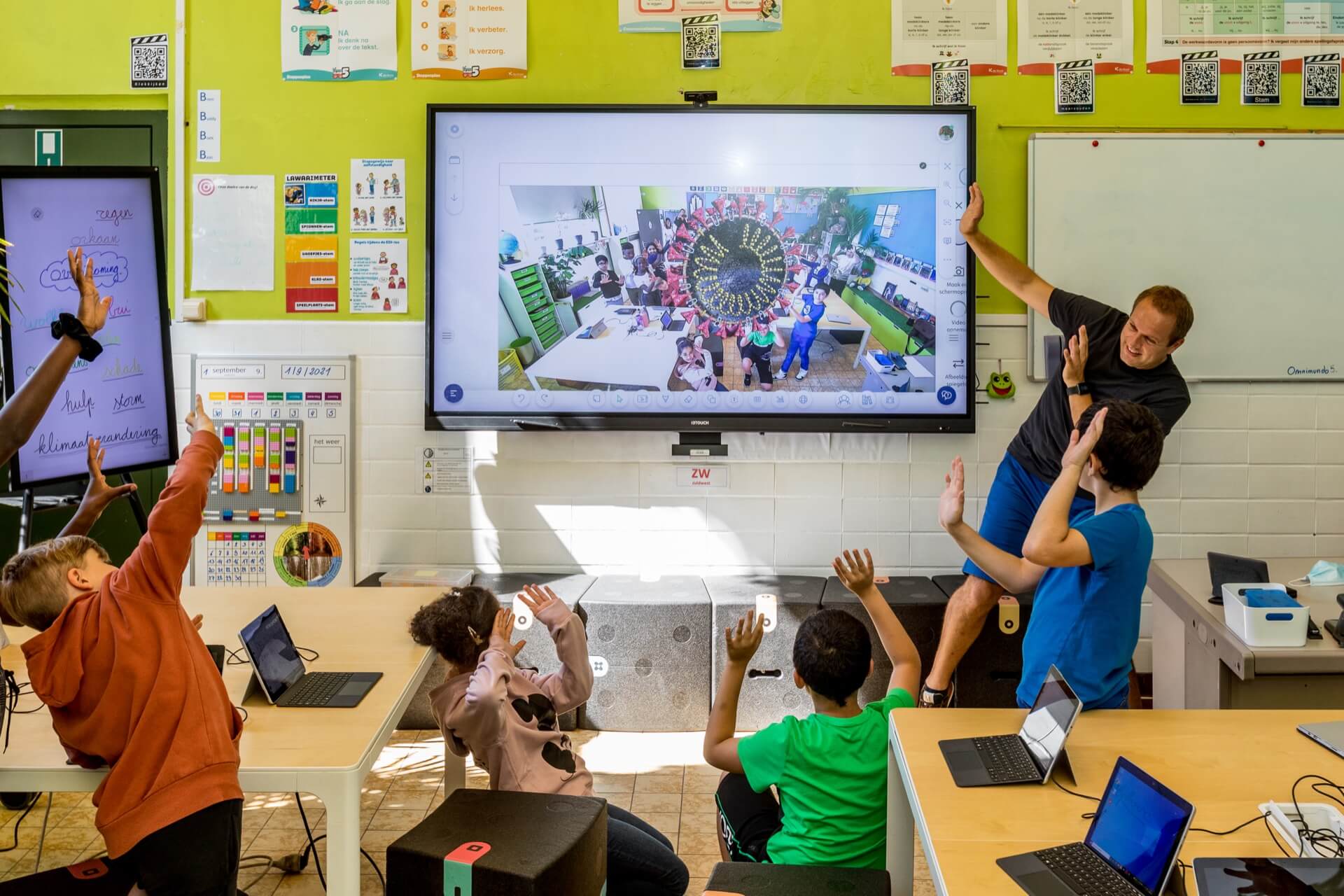
Free interactive presentation tools for teachers bridge the gap between passive listening and active learner engagement by transforming static slides into participatory digital experiences. According to the U.S. Department of Education, instructional designs that incorporate frequent student response systems yield measurable improvements in concept retention and formative assessment accuracy. Integrating these dynamic platforms alongside traditional Academic materials ensures that educators can capture real-time feedback while guiding diverse learning communities toward academic proficiency.
Quick Key Takeaways:
- Core Focus: Free interactive presentation tools for teachers enhance engagement through live polling, gamified quizzes, and collaborative digital workspaces.
- Target User: PreK-12 educators, higher education instructors, and corporate trainers seeking digital integration.
- Key Recommendation: Pair digital slides with structured handouts to reinforce concepts introduced during live presentations.
What This Printable Covers
This pedagogical framework details how to select, deploy, and evaluate free interactive presentation tools for teachers to maximize instructional impact without increasing software expenditures. The resource maps out step-by-step implementation strategies for embedding formative assessments, managing student pacing, and analyzing session analytics. These strategies align with the Universal Design for Learning (UDL) guidelines, ensuring that multiple means of engagement and representation are embedded directly into daily lesson planning.
Key Learning Outcomes
Participants master the integration of multimedia response elements into standard slide decks to encourage active participation from reluctant learners. Instructors learn to construct data-driven instruction cycles by interpreting instant analytics generated through live digital polling and collaborative brainstorming boards. Furthermore, educators discover how to synchronize digital presentations with physical Worksheet activities to bridge screen-based concepts with tactile note-taking and foundational skill practice.
Overview & Skill Breakdown
| Focus Area | Target Skill | Best Practice |
|---|---|---|
| Audience Engagement | Real-time response capture | Insert a poll every five slides to maintain attention. |
| Formative Assessment | Immediate comprehension checks | Use anonymous mode for low-stakes diagnostics. |
| Blended Integration | Digital-to-analog synthesis | Distribute matching printables prior to slide launch. |
How to Use This Worksheet
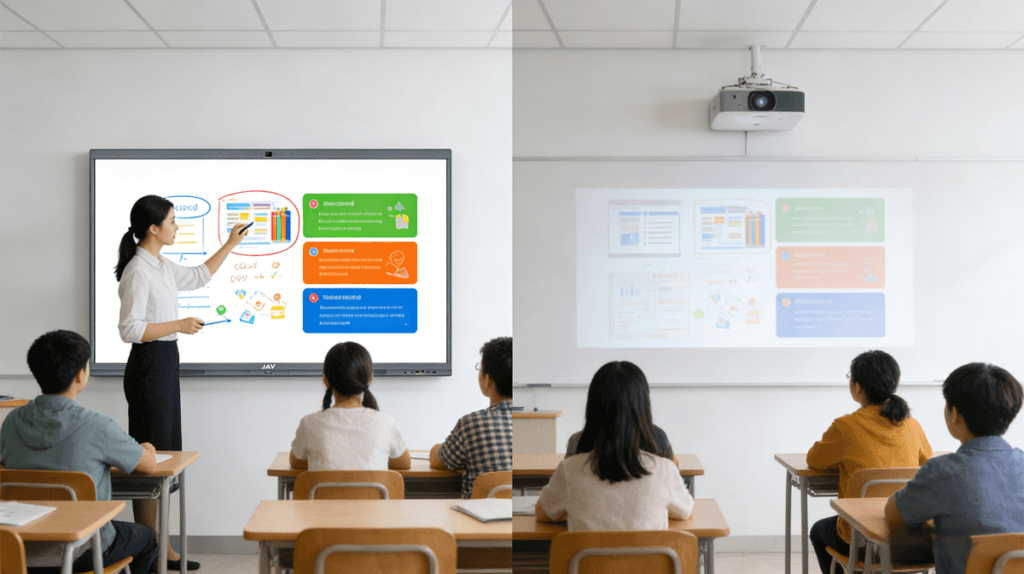
Educators utilize this implementation guide as a roadmap for auditing existing instructional materials and selecting appropriate software interfaces that fit specific classroom demographics. The framework supports the creation of blended learning environments where digital prompts guide group discussions while learners document key findings on structured templates. This dual approach accommodates varied learning styles by combining auditory, visual, and kinesthetic modalities within a single instructional period.
Practical Tips for Success
Preparation begins with auditing device accessibility to ensure equitable access across all student populations before launching interactive slide decks. During execution, educators should establish clear behavioral norms regarding digital device usage, directing attention purposefully between the main display and individual response devices. For extension activities, instructors can repurpose slide analytics reports to populate subsequent remedial or advanced Administrative tracking sheets and student portfolios.
Stage-Appropriate Recommendations
For introductory stages, educators should focus on basic interactive elements such as multiple-choice polls and word clouds that require minimal technical navigation. As proficiency grows, advanced practitioners can implement gamified leaderboards, open-ended brainstorming canvases, and self-paced student modes. According to the International Society for Technology in Education (ISTE) Standards for Educators, leveraging collaborative digital tools effectively supports designer roles by creating authentic, learner-driven activities that foster computational thinking and digital citizenship.
78% of instructors report heightened student focus — National Center for Education Statistics
Frequently Asked Questions
Explore More Free Printable Resources
Optimizing modern classrooms requires a robust blend of digital innovation and reliable paper-based resources. Explore the complete library of supplementary guides, planners, and instructional aids available at Free Printable For You to support every stage of the educational journey.
Images References