Introduction
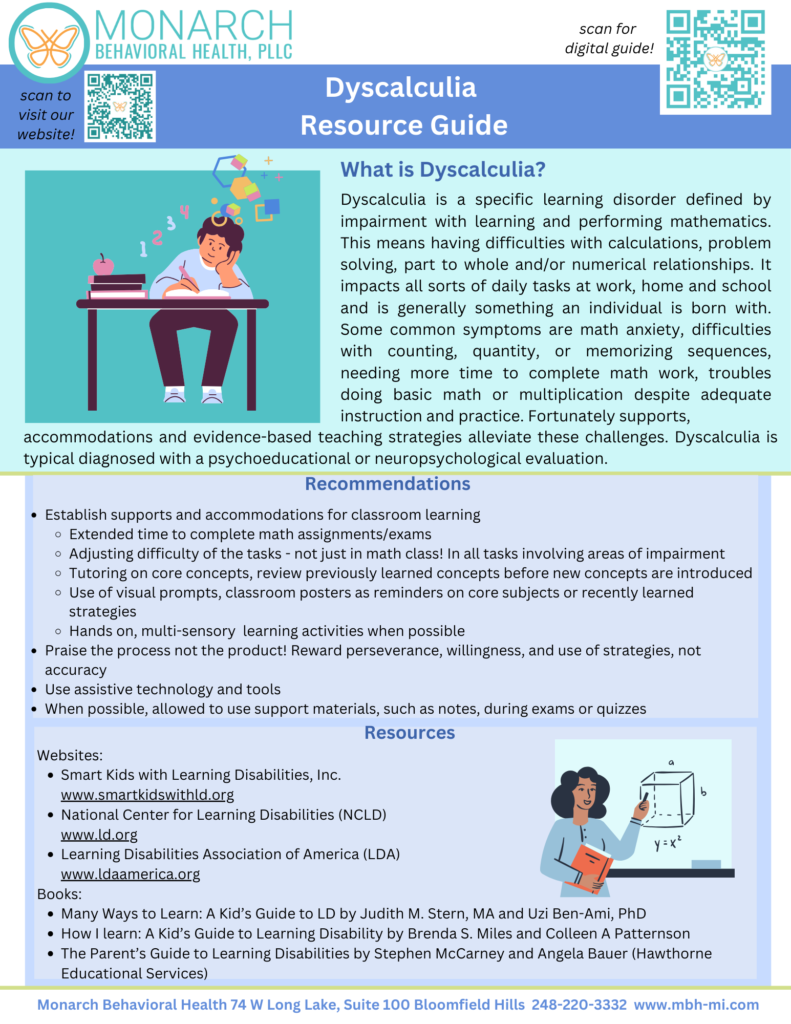
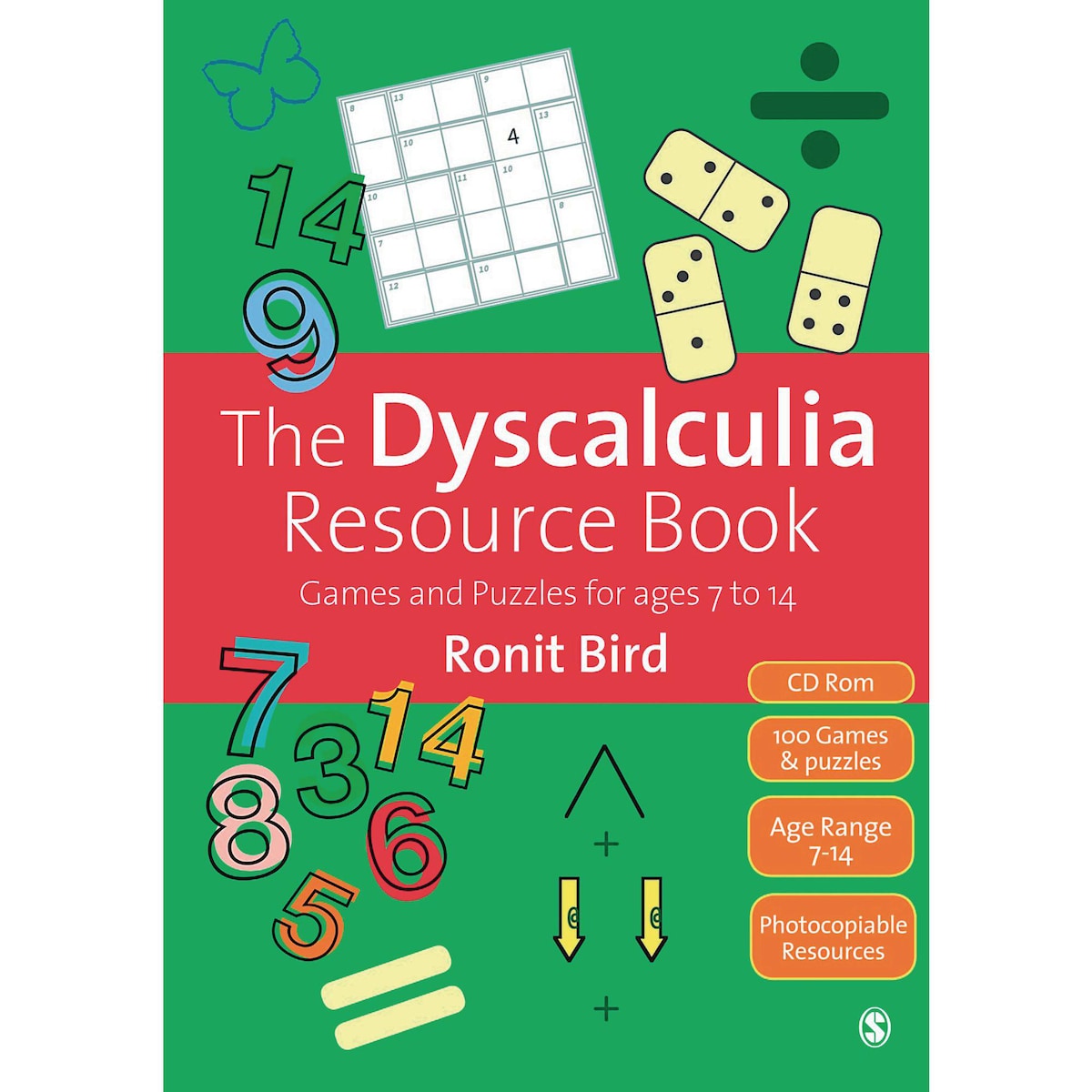
Dyscalculia resources for teachers provide essential, structured interventions that bridge the gap between abstract mathematical concepts and tangible cognitive processing needs for learners with specific learning differences. According to the National Center for Learning Disabilities, explicit multisensory instruction significantly improves mathematical fluency for students experiencing persistent numerical processing barriers. Utilizing specialized dyscalculia resources for teachers ensures that classrooms remain inclusive, structured, and responsive to diverse cognitive profiles without requiring extensive material redesign from educators.
Quick Key Takeaways:
- Core Focus: Dyscalculia resources for teachers offer targeted, multisensory tools to support numerical processing, spatial reasoning, and mathematical confidence in diverse classrooms.
- Target User: Educators, intervention specialists, and parents supporting students with mathematics learning difficulties.
- Key Recommendation: Integrate tactile manipulatives and visual graphic organizers consistently across daily mathematics practice to reinforce abstract concepts.
What This Printable Covers
This resource packet focuses on mitigating the core deficits associated with mathematical learning difficulties, drawing from structured literacy and numeracy frameworks such as the International Dyslexia Association guidelines. Materials address subitizing, magnitude comparison, place value visualization, and procedural calculation through scaffolded formats that minimize cognitive overload. By breaking complex arithmetic into discrete visual components, learners build reliable mental models for numbers, moving seamlessly from concrete manipulation to abstract symbol recognition found in standard Academic settings and specialized Worksheet collections.
Key Learning Outcomes
Students engaging with these structured tools develop enhanced number sense by associating numeric symbols with tangible quantities through dot arrays and ten-frames. Learners master spatial orientation for arithmetic alignment, reducing column-addition errors caused by visual-spatial confusion. Additionally, users cultivate independent problem-solving strategies by utilizing color-coded operational steps and visual cue cards, fostering self-regulation during mathematical tasks in foundational Early Learning environments.
Overview & Skill Breakdown
| Focus Area | Target Skill | Best Practice |
|---|---|---|
| Magnitude & Subitizing | Rapid quantity recognition | Use dot patterns and dice configurations before numeric digits. |
| Spatial Alignment | Digit placement and column tracking | Implement grid-paper templates to separate operational steps. |
| Math Vocabulary | Decoding word problem terminology | Pair written mathematical terms with consistent pictorial icons. |
How to Use This Worksheet
Implementation requires a diagnostic approach, beginning with baseline assessments to identify specific breakdown points in numerical processing. Educators and support staff can integrate these materials during small-group intervention blocks, peer tutoring sessions, or independent practice stations. To maintain engagement and reduce math anxiety, educators should limit the number of problems presented per page, allowing students to focus on procedural accuracy rather than completion speed, aligning closely with structured Administrative tracking goals.
Practical Tips for Success
Preparation involves laminating reusable templates and gathering tactile counters, base-ten blocks, and highlighters to support visual tracking. During execution, encourage verbalization where learners explain their numeric reasoning aloud while pointing to the visual cues provided on the page. For extension, gradually fade scaffolding elements as confidence grows, transitioning students from heavy pictorial support to standard numerical expressions suited for lifelong Personal Growth and real-world numeracy.
Stage-Appropriate Recommendations
For early learners and beginner stages, focus heavily on concrete objects and subitizing drills that align with the National Association for the Education of Young Children (NAEYC) developmental milestones. As students advance into middle and upper primary grades, transition toward structured graphic organizers that parse multi-step equations, fraction relationships, and word problems into manageable visual segments. According to the Diagnostic and Statistical Manual of Mental Disorders (DSM-5) framework for specific learning disorders, tailored accommodations must evolve alongside the cognitive demands of the curriculum to ensure sustained academic accessibility and emotional well-being.
Explicit multisensory instruction significantly improves mathematical fluency for students experiencing persistent numerical processing barriers — National Center for Learning Disabilities
Frequently Asked Questions
Explore More Free Printable Resources
Discover a comprehensive library of supportive educational tools designed to empower diverse learners and educators at Free Printable For You. Access targeted instructional materials to elevate every classroom.
Images References