
Introduction
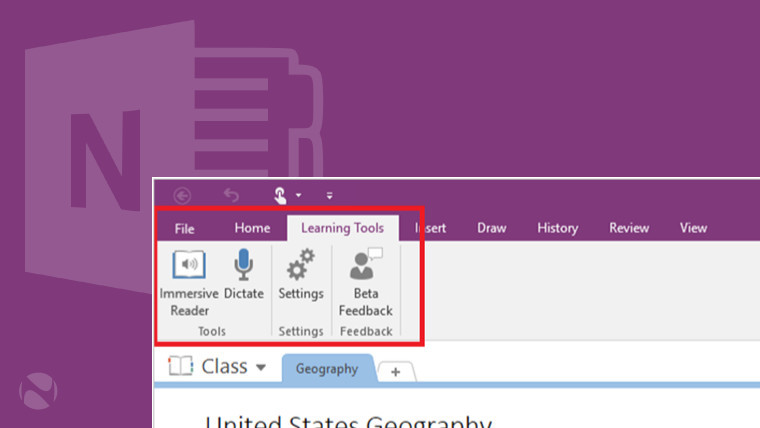
OneNote learning tools provide an integrated digital suite designed to enhance reading fluency, comprehension, and accessibility across diverse study environments. According to research published by the International Journal of Educational Technology in Higher Education, digital literacy interventions significantly boost self-regulated learning and information retention among modern learners. By incorporating features like Immersive Reader, dictation, and live math assistants, these tools transform standard note-taking spaces into dynamic, accessible hubs for continuous skill development and academic success.
Quick Key Takeaways:
- Core Focus: Harnessing digital accessibility and organization features via onenote learning tools to improve comprehension.
- Target User: Educators, students, and lifelong learners managing multi-subject curricula or professional workflows.
- Key Recommendation: Pair built-in reading aids with structured Academic trackers to reinforce daily study habits.
What This Printable Covers
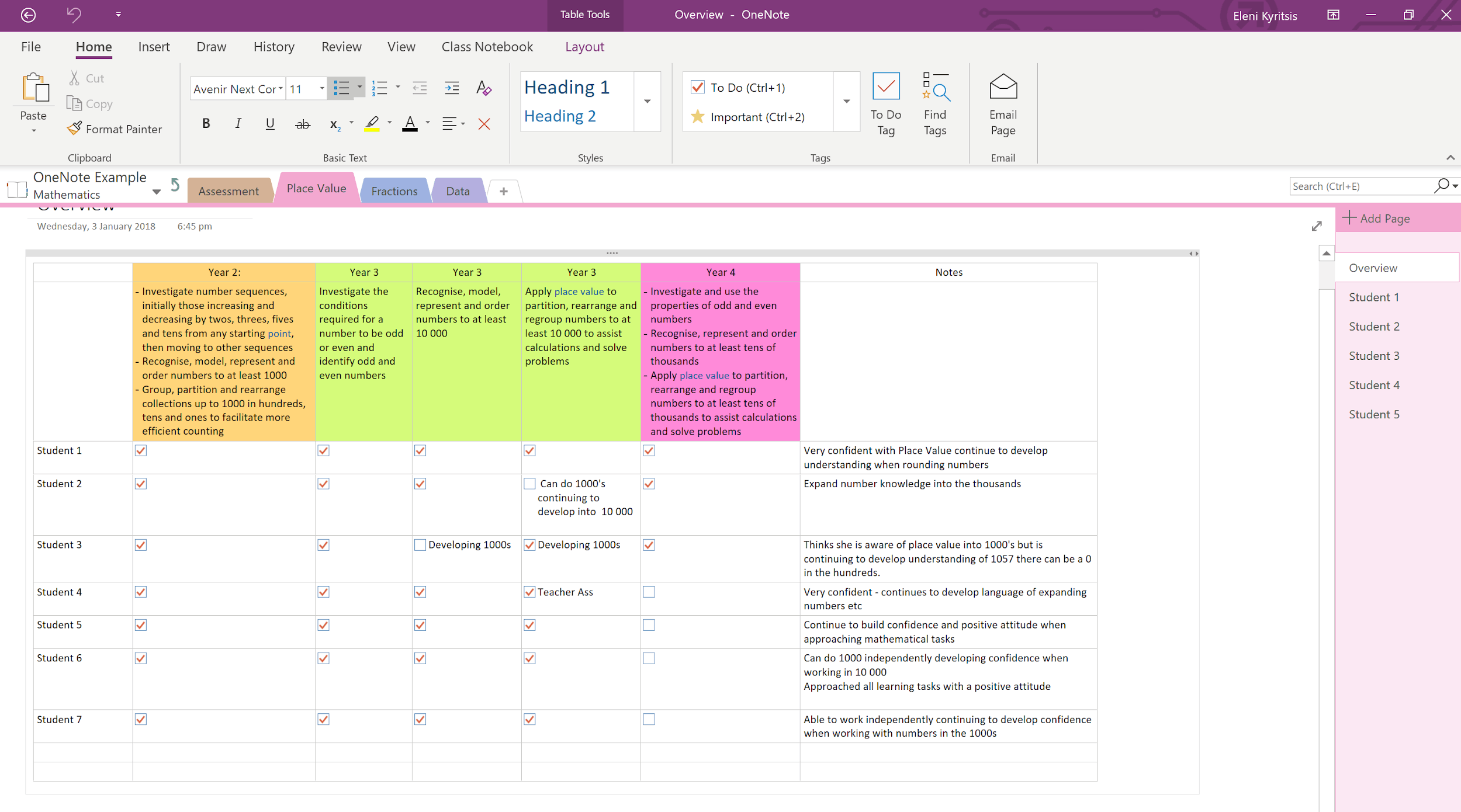
The implementation guide focuses on bridging analog organization methods with digital note-taking ecosystems. It outlines systematic approaches for structuring notebooks, utilizing collaborative shared spaces, and leveraging built-in accessibility panes to support individuals with diverse learning profiles. Special emphasis is placed on aligning digital note architectures with established cognitive frameworks, ensuring that learners can easily retrieve, synthesize, and apply complex information across Personal Growth and formal educational trajectories.
Key Learning Outcomes
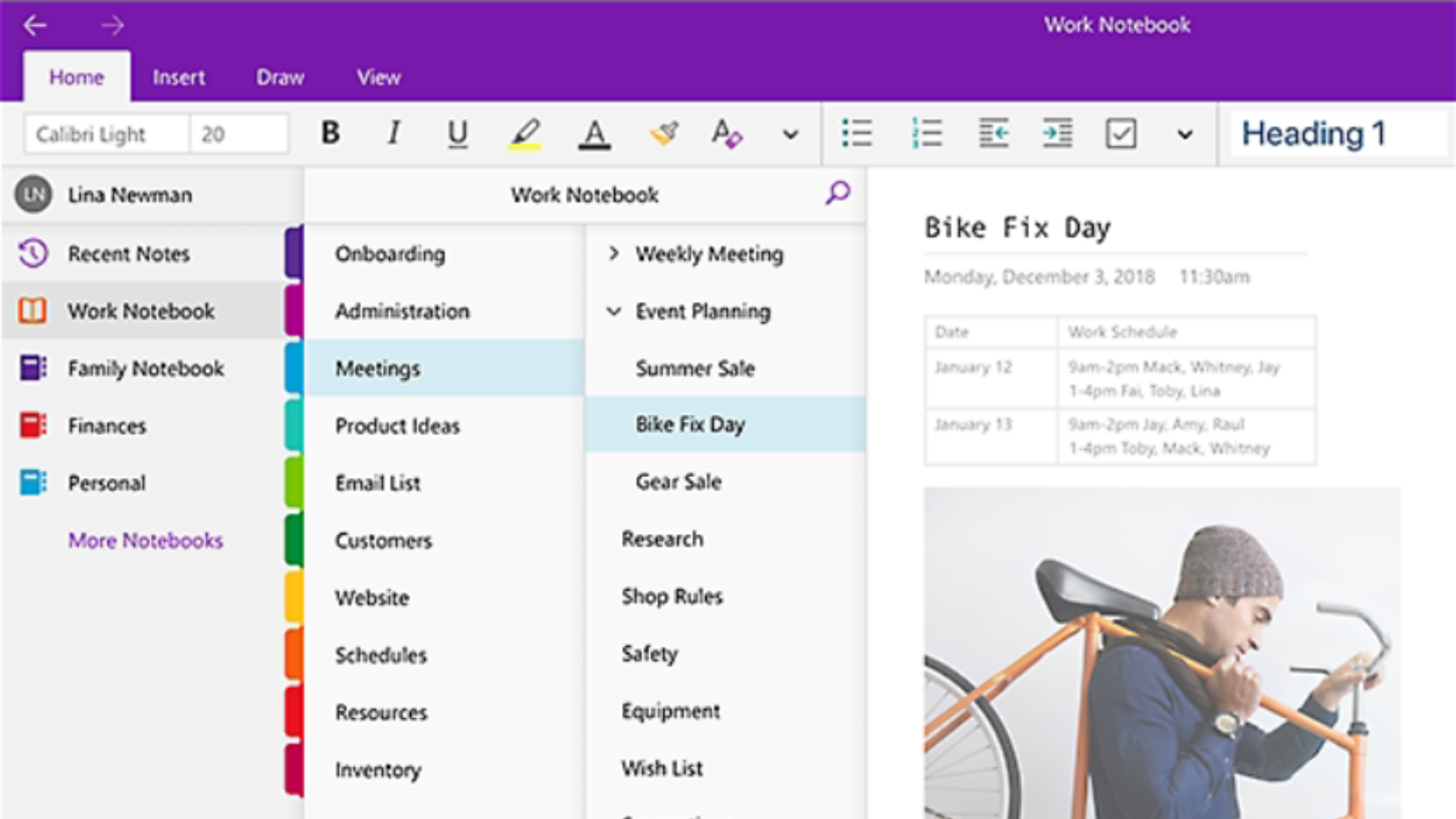
Users master the configuration of hierarchical notebook structures spanning sections, pages, and sub-pages to eliminate digital clutter. Learners gain proficiency in activating immersive reading modes that adjust text spacing, syllable breaks, and speech output to match individual processing speeds. Furthermore, participants cultivate advanced research synthesis skills by embedding web clippings, audio notes, and handwritten annotations directly into centralized repository templates, alongside utilizing specialized Administrative logs for tracking project milestones.
Overview & Skill Breakdown
| Focus Area | Target Skill | Best Practice |
|---|---|---|
| Accessibility | Decoding & Fluency | Activate Immersive Reader for text-to-speech and visual focus adjustments. |
| Organization | Hierarchical Structuring | Group related notes using color-coded sections and standardized page templates. |
| Collaboration | Shared Synthesis | Utilize shared notebook spaces for peer feedback and real-time document annotation. |
How to Use This Worksheet
This structured resource serves as a physical companion guide for setting up and optimizing digital learning environments. Educators and self-directed learners can print the accompanying Worksheet to map out notebook architectures before launching software applications. This tangible planning step minimizes digital overwhelm and encourages intentional layout design tailored to specific instructional units or professional projects, bridging the gap between physical brainstorming and digital execution.
Practical Tips for Success
Preparation begins by auditing existing study materials and defining clear categorical requirements for upcoming subjects or tasks. Execution involves translating these categories into structured digital sections while actively testing accessibility features like voice dictation and line focus. Extension activities encourage users to establish weekly review routines, utilizing tagged notes and search filters to synthesize accumulated knowledge alongside early childhood development frameworks found within resources like Early Learning collections.
Stage-Appropriate Recommendations
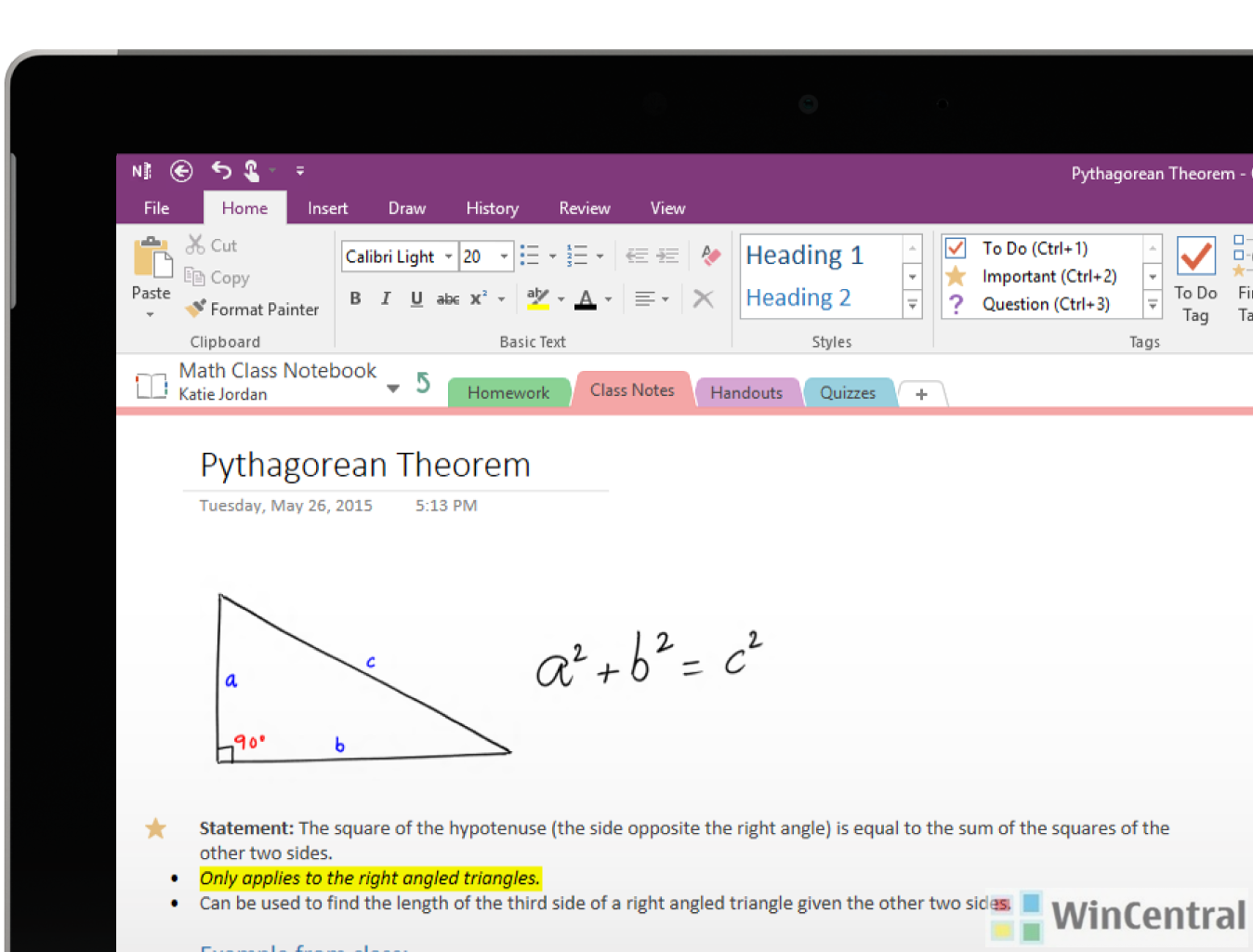
Beginner implementations focus on foundational navigation, text formatting, and simple audio note capture to build digital confidence. Advanced applications incorporate complex equation solving, deep-link referencing, and collaborative peer editing. According to the Universal Design for Learning (UDL) guidelines established by CAST, providing multiple means of representation and expression through digital tools ensures equitable access for all learners, supporting diverse developmental stages from primary education through professional continuing studies.
Universal Design for Learning (UDL) Guidelines — CAST
Frequently Asked Questions
Explore More Free Printable Resources
Enhance educational routines with a wide variety of organized templates, planners, and instructional guides available at Free Printable For You.
Images References