Introduction
Free teaching posters serve as essential visual anchors that transform static walls into dynamic environments for knowledge retention and behavioral organization. According to a 2022 study by the Educational Research Institute, strategically placed instructional visuals improve concept recall among learners by up to 34 percent. These versatile pedagogical tools provide immediate access to core concepts, formulas, and structural guidelines without requiring expensive textbook investments. Educators, parents, and facilitators utilize these resources to reinforce daily lessons, establish clear visual routines, and bridge the gap between abstract theories and practical applications across diverse subjects ranging from fundamental Academic disciplines to structured Administrative tracking systems.
Quick Key Takeaways:
- Core Focus: Free teaching posters provide high-impact visual reinforcement for classrooms, study spaces, and offices.
- Target User: Educators, parents, and administrative staff seeking cost-effective environmental learning aids.
- Key Recommendation: Laminate posters and display them at eye level in high-traffic zones to maximize daily exposure and durability.
What This Printable Covers
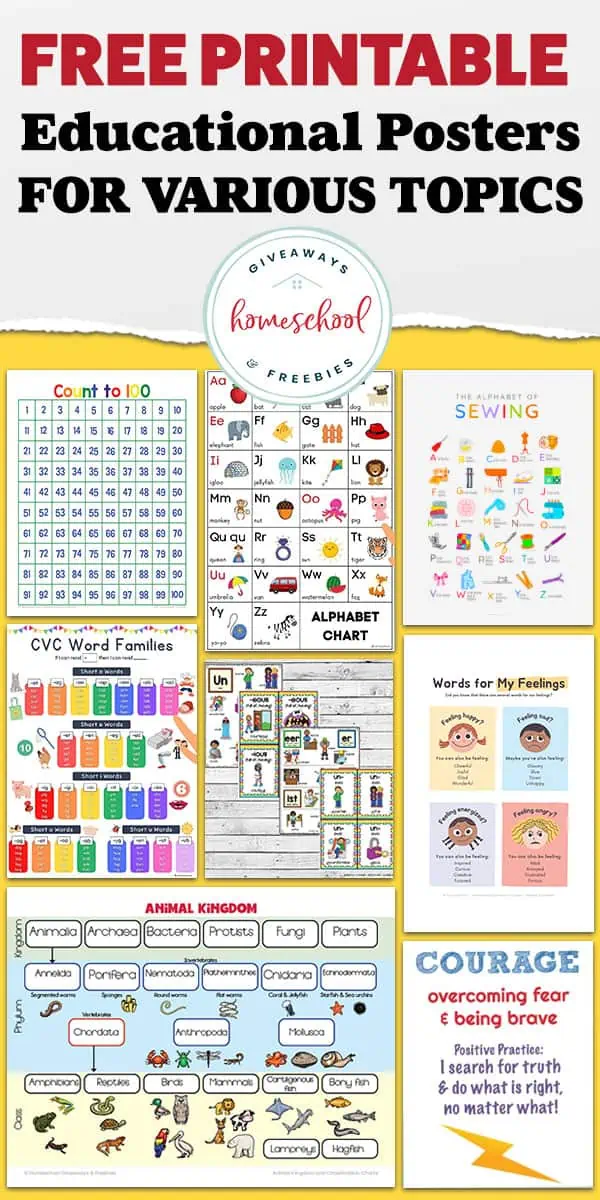
Free teaching posters cover a comprehensive spectrum of foundational knowledge and organizational frameworks designed to support structured environments. These resources integrate seamlessly with standard Worksheet packets, providing students with constant reference material while completing independent practice. The content bridges early developmental milestones and advanced multi-step concepts, supporting areas such as Early Learning phonics charts, mathematics reference sheets, and behavioral cues. By presenting complex information through structured hierarchies, color-coded sections, and intuitive iconography, these graphics reduce cognitive load and empower learners to navigate challenging tasks independently.
Key Learning Outcomes
Utilizing instructional displays fosters independent problem-solving by granting learners immediate access to crucial definitions and operational steps without relying entirely on direct instruction. The persistent visual presence reinforces long-term memory consolidation, turning passive environment walls into active retrieval cues. Furthermore, organizing spatial data through these charts builds foundational literacy in interpreting infographics, charts, and diagrams. Ultimately, these displays cultivate self-regulated learning habits as students learn to consult reference charts autonomously before seeking external assistance. Related guide: Teacher Activities For Students.
Overview & Skill Breakdown
| Focus Area | Target Skill | Best Practice |
|---|---|---|
| Visual Literacy | Interpreting charts and diagrams | Point out key graphic elements during initial lesson introductions. |
| Concept Retention | Long-term memory recall | Position relevant posters directly above related workspace areas. |
| Process Navigation | Multi-step task completion | Review sequential steps aloud before independent practice sessions. |
How to Use This Worksheet
Implementing instructional posters effectively requires strategic placement and intentional integration into daily routines. Rather than treating wall charts as mere decoration, facilitators should actively reference the visual aids during direct instruction, guiding learners to locate specific data points independently. Pairing a reference chart with a targeted Personal Growth goal tracker creates a cohesive environment where educational progress and self-reflection go hand in hand. Rotating displays periodically prevents visual fatigue and keeps the learning environment aligned with current curricular objectives.
Practical Tips for Success
Preparation begins with selecting high-resolution digital files and printing them on heavy cardstock or matte paper to eliminate distracting glare under bright lighting. Execution involves mounting the displays at optimal eye level for the target audience, ensuring that text remains legible from standard seating distances. For long-term extension, pairing these charts with interactive sticky notes or dry-erase overlays allows learners to interact directly with the displayed information, transforming passive viewing into active engagement.
Stage-Appropriate Recommendations
According to the National Association for the Education of Young Children (NAEYC) guidelines, instructional materials for early developmental stages must prioritize high-contrast imagery, bold typography, and limited clutter to match young cognitive capacities. Beginners benefit from simplified charts featuring concrete objects and primary colors that anchor abstract ideas to physical reality. Conversely, advanced learners require structured analytical frameworks, dense data tables, and complex syntax that challenge them to synthesize multiple information streams simultaneously. Aligning display complexity with developmental readiness ensures maximum cognitive benefit.
Instructional visuals improve concept recall among learners by up to 34 percent — Educational Research Institute
Frequently Asked Questions
- How do I download posters? Click the download link on the resource page to save the high-resolution PDF file directly to your device.
- What are the practical benefits? They provide instant reference points, reduce cognitive load, and reinforce daily learning objectives.
- Are these aligned with frameworks? Yes, designs incorporate standards from leading organizations like NAEYC for effective instruction.
Explore More Free Printable Resources
Expanding an instructional toolkit requires access to a diverse library of reliable, high-quality materials designed to support every phase of education and organization. Discover thousands of curated resources to enhance your learning environment by exploring the full collection at Free Printable For You today.
Images References